Matlab
MATLAB (matrix laboratory) is a numerical computing environment and fourth-generation programming language. Developed by MathWorks, MATLAB allows matrix manipulations, plotting of functions and data, implementation of algorithms, creation of user interfaces, and interfacing with programs written in other languages, including C, C++, Java, and Fortran. (More from Wikipedia on Matlab ).
Matlab is widely spread in engineering and fairly widely used in Science in general.
(Figure source: http://en.wikipedia.org/wiki/File:Matlab_Logo.png)
For queries about this topic, contact Hans Fangohr.
View the calendar of events relating to this topic.
Projects
A Fast Multipole Method for the Bessel potential
Marc Molinari, Simon Cox (Investigators), Neil O'Brien
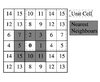
The fast multipole method (FMM) proposed by Greengard and Rokhlin provides a method by which the O(N-squared) many-body problem can be reduced to O(N) complexity. In this project, a multipole method is developed to calculate the energy of a system of vortices in a high temperature superconductor, where the many-body interactions give rise to rich and complex physics. The method developed here is suitable for systems where the interactions are governed by a Bessel potential rather than the usual logarithmic potentials occurring in gravitational and electrostatic problems. We derive and apply vectorised forms of the Gegenbauer addition formulae in order to achieve the O(N) scaling associated with fast multipole methods.
A novel approach to analysing fixed points in complex systems
James Dyke (Investigator), Iain Weaver
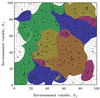
This work aims to contribute to our understanding of the relationship between complexity and stability. By describing an abstract coupled life-environment model, we are able to employ novel analytical, and computational techniques to shed light on the properties of such a system.
Assessment of the performance of novel RANS and hybrid turbulence models on the flow around a cylinder
Manuel Diaz Brito
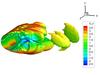
The turbulent flow around a circular cylinder is a widely studied problem in fluid dynamics. At a certain characteristic Reynolds numbers the development of a turbulent wake occurs simultaneously with separation of the laminar boundary layer. The mechanisms defining this critical flow state are very complex to predict computationally. In this project the suitability of novel non-linear eddy viscosity closures and a hybrid Flow Simulation Methodology formulation to face these massively separated flows is studied. The flow predicting capabilities of the baseline EASM, ?-?-EASM and FSM-?-?-EASM tested are contrasted with the industrial renowned k-?-SST turbulence model. In the visualisation of the results it is evident that the ?-?-EASM has greater flexibility estimating the components of the Reynolds stresses with respect to the baseline EASM and the k-?-SST. Although dome differences are observed, the prediction of the critical flow around a cylinder is not accurately achieved by any of these RANS models, but the FSM-?-?-EASM shows great resemblance with the validation data, demonstrating capabilities of resolving very complex flow phenomena with minimum user input if the computational grid is fine enough. In order to demonstrate even greater advantages of non-linear models it was postulated that the addition of a streamwise impinging vortex hitting the leading edge of the cylinder would make the flow field fully three-dimensional. First attempts were tried in this route but time constraints limited the ultimate scope of the present work.
BRECcIA - Building REsearch Capacity for sustainable water and food security In sub-saharan Africa
The BRECcIA project is aimed at developing research and researchers to understand water and food security challenges in sub-Saharan Africa
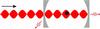
Cavity-Mediated Cooling
Peter Horak, Timothy Freegarde (Investigators), Andre Xuereb
Optical resonators enhance the interaction of light with matter while simultaneously acting as a temporal buffer. Both effects can be exploited to generate light-induced friction, or cooling, forces on atoms, molecules, or micromirrors. We investigate various aspects of these effects through numerical simulations, assisted by approximate analytical models, in this EPSRC and ESF sponsored project.
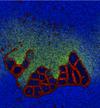
Cellular Automata Modelling of Membrane Formation and Protocell Evolution
Seth Bullock (Investigator), Stuart Bartlett
We simulated the meso-level behaviour of lipid-like particles in a range of chemical and physical environments. Self-organised protocellular structures can be shown to emerge spontaneously in systems with random, homogeneous initial conditions. Introducing an additional 'toxic' particle species and an associated set of synthesis reactions produced a new set of ecological behaviours compared to the original model of Ono and Ikegami.
Chaotic Analysis of Partial Discharge
Paul Lewin (Investigator), Lyuboslav Petrov
The deterministic character of PD pulses predicted by theory has been shown to be existent for certain PD events. Finding characteristic patterns in phase space enables field-data PD detection with high reliability.

Chip Implementation of a Signal Detector for a Multiple-Input Multiple-Output (MIMO) Wireless System
Mark Zwolinski, Basel Halak, Mohammed El-Hajjar (Investigators), Ibrahim Bello
We implement an Application Specific Integrated Circuit (ASIC) for the signal detection of a MIMO receiver.
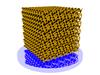
Computational electromagnetic modelling of 3D photonic structures
Marc Molinari, Darren Bagnall, Simon Cox (Investigators), Asa Asadollahbaik, Elizabeth Hart
Nano-structured materials can provide very specific and often very special optical effects which can be exploited for a large range of optical applications including wavelength filters, LEDs, micro-lasers, HDTV, solar-cell coatings, optical high-Q fibres, diffraction gratings, polarisation devices, optical switches, etc. This research in “Computational Electromagnetic Modelling of 3D Photonic Structures” aims to address the need for accurate and fast three-dimensional modelling, simulation and analysis processes in the photonics industry. A FEM/FDTD software suite will be developed to simulate Maxwell’s field equations and thin-film quantum effects (plasmons) in the visible and near-infrared EM frequency spectrum. The results obtained from running the software on suitable compute clusters will then be compared to the analysis results of experimentally manufactured materials. We will investigate structures occurring in nature such as iridescent butterfly wings, white/black reflecting beetle shells, etc., and aim to optimise artificially designed structures with periodic, quasi-periodic and random configurations.
Computational Methods for Aircraft Noise Prediction
Gwenael Gabard (Investigator), Albert Prinn
The aim of this project is to develop and test an efficient flow acoustics solver based on the finite element method and the potential flow theory.
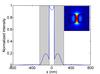
Continuously Tunable Optical Buffer
Peter Horak (Investigator)
The project aims to design, fabricate and test a novel integrated all-optical buffer device that is based on MEMS technology and provides a continuously tunable delay for optical pulses over a broad wavelength region. Such a device could play a crucial role in future packet-switched optical networks, photonic integrated circuits and coherent light based applications such as optically steered phase array antennas, LIDAR and optical coherence tomography.
This EPSRC funded project is a collaboration between the Optoelectronics Research Centre, Southampton, and University College London.
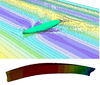
Coupled Fluid-Structure Interaction to model Three-Dimensional Dynamic Behaviour of Ships in Waves
Pandeli Temarel, Zhi-Min Chen (Investigators), Puram Lakshmynarayanana
In the present study we focus our attention on fluid-structure interactions (FSI) of flexible marine structures in waves by coupling a fluid solver using Computational Fluid Dynamics (CFD) and a structural solver using Finite Element Analysis (FEA) software.
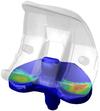
DePuy Technology Partnership
Mark Taylor (Investigator), Adam Briscoe
This initiative concerns the transfer of knowledge between three key institutions (University of Southampton, University of Leeds and University of Hamburg) and DePuy International limited. The project is concerned with the ongoing advancement of technology used in orthopaedic devices.
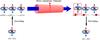
Desiging Near-Capacity Quantum Error Correction Codes
Lajos Hanzo (Investigator), Zunaira Babar
Design efficient quantum error correction codes to correct the errors encountered in a quantum transmission; thus, increasing reliability and robustness of the future quantum systems.

Design of Unmanned Air Vehicles
James Scanlan (Investigator), Robert Entwistle
Using computational modelling of a 3D airspace simulation environment to meet the safety and collision-avoidance requirements of the certification authorities.
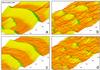
Discrete ECogeomorphic Aeolian Landscape (DECAL) modelling
Joanna Nield (Investigator)
DECAL is a cellular automaton based model which incorporated mutual feedback processes between geomorphic forcing and ecological growth to investigate fundamental controls, self-organising and non-linear behaviour in semi-arid aeolian dune environments. This project explores landscape evolution and disturbance response, developing a phase-space in which dune fields can be quantified.
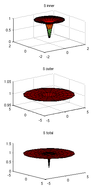
Efficient algorithms for liquid crystal alignment
Giampaolo D'Alessandro, Timothy Sluckin (Investigators)
We have developed an efficient algorithm to determine the liquid crystal alignment in the absence of defects. The aim of this project is to extend this algorithm to include defects.
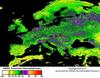
EuroSat4PhenoChanges. Using MERIS for monitoring phenology in Europe.
Peter Atkinson (Investigator), Victor Rodriguez Galiano
Monitoring vegetation phenology at multiple scales in Europe from the GMES satellite sensor time-series: a special consideration to natura2000 areas
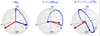
Fidelity optimisation in an atomic quantum computer
Timothy Freegarde (Investigator), Jack Saywell
Development of optimised composite pulses for atomic quantum computers with the aim of reducing systematic errors in information processing caused by variations in laser intensity and environment.
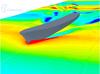
Fluid Loads and Motions of Damaged Ships
Dominic Hudson, Ming-yi Tan (Investigators), Christian Wood, James Underwood, Adam Sobey
An area of research currently of interest in the marine industry is the effect of damage on ship structures. Research into the behaviour of damaged ships began in the mid nineties as a result of Ro-Ro disasters (e.g. Estonia in 1994). Due to the way the Estonia sank early research mainly focused on transient behaviour immediately after the damage takes place, the prediction of capsize, and of large lateral motions. Further research efforts, headed by the UK MoD, began following an incident where HMS Nottingham ran aground tearing a 50m hole from bow to bridge, flooding five compartments and almost causing the ship to sink just off Lord Howe Island in 2002. This project intends to answer the following questions:
“For a given amount of underwater damage (e.g. collision or torpedo/mine hit), what will be the progressive damage spread if the ship travels at ‘x’ knots? OR for a given amount of underwater damage, what is the maximum speed at which the ship can travel without causing additional damage?”
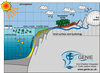
Generating Optimal Ensembles of Earth System Models
Simon Cox (Investigator), Elizabeth Hart, Andras Sobester
GENIE is an Earth system model of intermediate complexity. As with other climate models, the tuning of its parameters is essential for providing reliable long-term forecasts of Earth system behaviour. We apply a multi-objective optimization algorithm to the problem. The aim of the tuning exercise is to find the optimal values for the free parameters that produce and euqilibrium model end state with the closest fit to equivalent observational data.
Gravitational waves from neutron stars
Ian Hawke (Investigator)
Gravitational waves, once detected, will give information about the extremes of space and time. Compact objects such as neutron stars are perfect locations for generating such waves.
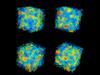
Hadronic structure on the computer
Jonathan Flynn (Investigator), Dirk Broemmel, Thomas Rae, Ben Samways
In experiments at the Large Hadron Collider (LHC) at CERN, Geneva, the interactions that occur between the colliding particles (protons in this case) can be factorised into a simple scattering between two constituent particles, called quarks, followed by a hadronisation process, which describes the dynamics of forming the bound proton states. Quarks are particles within the proton that bind to form composite particles (hadrons) such as a proton. The scattering process can be computed relatively easily, but hadronisation is intrinsically non-perturbative and hard to calculate. Lattice QCD (computer simulation of QCD on a discrete space-time lattice) provides our only known first-principles and systematically-improvable method to address problems like hadronisation. This project uses Iridis to extract parton distribution amplitudes which are experimentally inaccessible, but needed to describe the quark structure of hadrons.
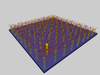
Homogenisation of liquid crystal colloids
Giampaolo D'Alessandro, Keith Daly (Investigators), Thomas Bennett
We use homogenization thoery to obtain macroscopic governing equations for nematic liquid crystals that host arbitrarily shaped nano particles.
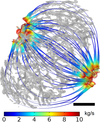
Image Based Modelling of Fluid Flow through Lymph Nodes
Tiina Roose, Bharathram Ganapathisubramani, Geraldine Clough (Investigators), Laura Cooper
In this project we are using images of mouse lymph nodes to investigate the fluid transport pathways through it. The images of the nodes are taken using selective plane illumination microscopy, and synchrotron micro computed tomography. The fluid flow is modelled using Darcy's law in COMSOL Multiphysics and the models are run on the Iridis cluster.
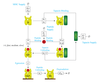
Immunotherapy Research: Modelling MHC Class I Complex Assembly
Timothy Elliott, Jorn Werner (Investigators), Alistair Bailey
This project uses mathematical modelling and simulation to investigate mechanisms by which our cells process and present biological information that is used by our immune system to distinguish between healthy and diseased cells.
Investigation of acoustic radiation forces on micro-particles and cells in ultrasonic particle manipulation
Martyn Hill (Investigator), Puja Mishra
A Finite Element model is developed to investigate the force generated on a particle of arbitrary geometry and composition in a sound field. The model overcame the drawbacks of existing analytical solutions of size restriction and provided the flexibility of particle representation. This suggested useful results on shape dependency, effect of elasticity of particle and dominancy of nucleus in a cell in estimating the force on a single particle.
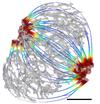
Investigations of Lymphatic Fluid Flow
Tiina Roose, Bharathram Ganapathisubramani, Geraldine Clough (Investigators), Laura Cooper
The lymphatic system performs three main roles returns interstitial fluid back into the blood stream to maintain tissue fluid homeostasis. The aim of this project is to increase our understanding of how the lymph flows through the system by creating three dimensional fluid structure interaction models of the secondary lymphatic valves and image based models of lymph nodes.
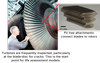
Life assessment methods for industrial steam turbine blade to disc interfaces
Katherine Soady (Investigator)
This is an EngD project sponsored by E.ON New Build and Technology Ltd. which aims to develop the methods currently implemented in life assessment of industrial steam turbine blade to disc interfaces to take account of the surface treatment process (shot peening) which is applied to component before service and after repair.
Mathematical modelling of plant nutrient uptake
Tiina Roose (Investigator)
In this project I will describe a model of plant water and nutrient uptake and how to translate this model and experimental data from the single root scale to the root branching structure scale.

Mathematical tools for analysis of genome function, linkage disequilibrium structure and disease gene prediction
Mahesan Niranjan, Andrew Collins, Reuben Pengelly (Investigators)
This iPhD project uses a Gaussian Bayesian Networks framework through Machine learning methods to predict which genes are involved in the development of different diseases.
Measuring biomolecules - improvements to the spectroscopic ruler
Pavlos Lagoudakis, Tom Brown (Investigators), Jan Junis Rindermann, James Richardson
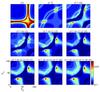
The spectroscopic ruler is a technique to measure the geometry of biomolecules on the nm scale by labeling them with pairs of fluorescent markers and measuring distance dependent non-radiative energy transfer between them. The remaining uncertainty in the application of the technique originates from the unknown orientation between the optical dipole moments of the fluorescent markers, especially when the molecule undergoes thermal fluctuations in physiological conditions. Recently we introduced a simulation based method for the interpretation of the fluorescence decay dynamics of the markers that allows us to retrieve both the average orientation and the extent of directional fluctuations of the involved dipole moments.

Meshless Methods for Photonic Crystal Modelling
Kamal Djidjeli, Marc Molinari, Simon Cox (Investigators), Neil O'Brien, Elizabeth Hart
We apply meshless methods to the problems of simulating photonic crystals. The meshless methods utilise compactly-supported radial basis functions (CSRBFs) and offer a promising alternative to the conventional plane-wave expansion method for calculating the band structure of photonic crystals.
Modelling mechanoreceptor reaction to tissue deformation
Mark Taylor (Investigator), Gwen Palmer
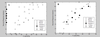
This project involved the modelling of a piece of knee joint capsule, which will produce an electrical output when mechanically stimulated. The model is based on expermental work carried out by P. Grigg and A.H. Hoffman (1982).
Modelling neuronal activity at the knee joint
Mark Taylor, Tiina Roose (Investigators), Gwen Palmer
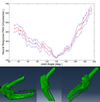
The function of the knee joint is reliant on proprioception, which involves the response of nerve endings in the tissues at the joint. This project will be concentrating on the neuronal activity, caused by mechanical stimuli, of the more common receptors found at the knee (Ruffini, Paciniform, Golgi and Nociceptor).
There are three stages to this project:
1. Modelling the behaviour of each individual receptor, with the use of the Hodgkin-Huxley model [1].
2. These models will then be applied to the soft tissues around a knee, where a global deformation of the tissue will result in local stimulation of receptors.
3. The soft tissue models will then be applied to structures in the knee.
[1] - Hodgkin, A.L. and A.F. Huxley, A quantitative description of membrane current and its application to conduction and excitation in nerve. Journal of Physiology, 1952. 117: p. 500-544.
Modelling the Combined Effects of Total Ionizing Dose and Random Dopant Fluctuations in sub-100 nm gate-length Transistors
Kees de Groot (Investigator), Eleni Chatzikyriakou
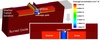
The radiation hardness of state-of-the-art silicon-on-insulator transistors of gate length dimensions of 90 nm and beyond is investigated. The combined effects of oxide charges and random fluctuations of the dopant atoms in silicon are considered. It is demonstrated that a parasitic channel forms at the interface of buried oxide and shallow trench isolation regions of the device and that this effect is aggravated by random dopant fluctuations.
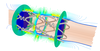
Multi-objective design optimisation of coronary stents
Neil Bressloff, Georges Limbert (Investigators), Sanjay Pant
Stents are tubular type scaffolds that are deployed (using an inflatable balloon on a catheter), most commonly to recover the shape of narrowed (diseased) arterial segments. Despite the widespread clinical use of stents in cardiovascular intervention, the presence of such devices can cause adverse responses leading to fatality or to the need for further treatment. The most common unwanted responses of inflammation are in-stent restenosis and thrombosis. Such adverse biological responses in a stented artery are influenced by many factors, including the design of the stent. This project aims at using multi-objective optimisation techniques to find an optimum family of coronary stents which are more resistant to the processes of in-stent restenosis (IR) and stent thrombosis (ST).
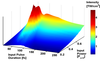
Multimode simulation of high power fibre lasers and amplifiers
Peter Horak (Investigator), Ioannis Begleris
This project aims to address the challenge of ever-increasing demand for higher powers from fibre lasers by developing theoretical and numerical methods to simulate laser pulse amplification in large-mode area fibres supporting multiple spatial modes.

MXL Project
Mark Taylor, Junfen Shi (Investigators)
‘MXL’ is short for “Enhanced patient safety by computational Modelling from clinically available X-rays to minimise the risk of overload and instability for optimised function and Longevity”. This is an international EU-funded project which the Bioengineering Sciences Research Group at Southampton is involved in. For more information, visit http://www.m-x-l.eu
Nonequilibrium Dynamics of Atomic Gases in Optical Lattices
Sophie Marika Reed
Many-body, quantum systems exhibit emergent properties which allows for quantum events to influence properties on macroscopic scales. Such emergent properties are studied using stochastic phase-space techniques.
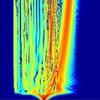
Nonlinear Optical Pulse Propagation
Peter Horak, Francesco Poletti (Investigators)
The work is concerned with the propagation of high-power short-pulse propagation in microstructured fibres or waveguides. Dispersion properties and optical nonlinearities are exploited for pulse shaping techniques in space, time, and frequency. Investigated microstructures include silica or soft-glass templates, gas-filled capillaries, and semiconductor-filled fibres, and optical wavelengths range from the X-ray to the mid-infrared regime.
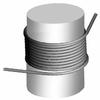
Nonlinear Optics in Structured Material
Peter Horak, Neil Broderick (Investigators)
Structured materials such as photonic crystals, optical fibres, Bragg gratings etc. are the ideal material for nonlinear optics. Properly engineered materials allows one to control which nonlinear interactions are observed and enhanced whilst other nonlinear interactions can be neglected. This work looks both at fundamental ideas as well as the fabrication of devices for advanced telecommunications.
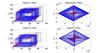
On the applicability of nonlinear timeseries methods for partial discharge analysis
Paul Lewin (Investigator), Lyuboslav Petrov
The governing processes of Partial Discharge (PD)
phenomena trigger aperiodic chains of events resulting in ’ap-
parently’ stochastic data, for which the widely adopted analysis
methodology is of statistical nature. However, it can be shown,
that nonlinear analysis methods can prove more adequate in
detecting certain trends and patterns in complex PD timeseries.
In this work, the application of nonlinear invariants and phase
space methods for PD analysis are discussed and potential pitfalls
are identified. Unsupervised statistical inference techniques based
on the use of surrogate data sets are proposed and employed for
the purpose of testing the applicability of nonlinear algorithms
and methods. The Generalized Hurst Exponent and Lempel Ziv
Complexity are used for finding the location of the system under
test on the spectrum between determinism and stochasticity. The
algorithms are found to have strong classification abilities at
discerning between surrogates and original point series, giving
motivation for further investigations.
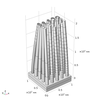
Optical Characterisation of Black Silicon for Photovoltaics Using the Finite Element Method
Jack Tyson (Investigator)
Here we present a novel method of simulating the reflectance spectra of black silicon solar cells using the finite element method. Designed in COMSOL Multiphysics is a new set of algorithm-controlled-geometries rendering a vast array of different structural permutations of silicon nanowires. Our model focused on the variation of this geometry within customisable predefined conditions in large output quantities, collated and averaged to reliably determine the reflectance of an entire black silicon solar cell.
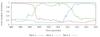
Origins of Evolvability
Richard Watson, Markus Brede (Investigators), William Hurndall
This project examined the putative evolvability of a Lipid World model of fissioning micelles. It was demonstrated that the model lacked evlovability due to poor heritability. Explicit structure for micelles was introduced along with a spatially localised form of catalysis which increased the strength of selection as coupling between potential chemical units of heredity were reduced.
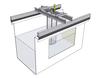
Prediction of orifice flow flooding rates through generic orifices
Dominic Hudson, Ming-yi Tan (Investigators), Christian Wood, Adam Sobey
This presearch concentrates on the modelling of compartment flooding rates following the occurrence of damage in a ship's side shell. Typical state of the art flooding models use Torricelli’s formula to calculate flooding rates using a constant co-efficient of discharge (Cd). Based on Bernoulli’s theorem, turbulence and viscosity effects are not included using a Cd independent of damage shape or size. Previous work indicates that this assumption over-simplifies the problem to an extent where the flooding rates used for calculation are in error. This project will use CFD validated by experiment to calculate flooding rates for a large number of cases from which a 'krigged' response surface will be generated. Validity of the subsequent response surface will be interrogated.
Prediction of Psychopathology by MRT data
We aim to predict psychopathological outcomes in adults by functional brain data using multilevel regression and crossvaligdation strategies.
Pushing the Envelope of Planetary Formation and Evolution Simulations
Peter Bartram
A full understanding of the formation and the early evolution of the Solar System and extrasolar planetary systems ranks among natural science's grand challenges, and at present, even the dominant processes responsible for generating the observed planetary architecture remain elusive.
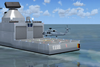
Real-time CFD for helicopter flight simulation
Kenji Takeda (Investigator), James Kenny
Project aims to show how real-time computational fluid dynamics (CFD) could be used to improve the realism of helicopter flight simulators.
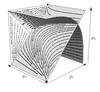
Renormalisation group approach to 1D cellular automata with large updating neighbourhoods
Iain Weaver, Adam Prugel-Bennett (Investigators)
We study self-similarity in one-dimensional probabilistic cellular automata (PCA) by applying a real-space renormalisation technique to PCA with increasingly large updating neighbourhoods. By studying the flow about the critical point of the renormalisation, we may produce estimates of the spatial scaling properties of critical PCA.
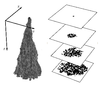
Renormalisation of 2D cellular automata with an absorbing state
Adam Prugel-Bennett, Iain Weaver (Investigators)
We describe a real-space renormalisation scheme for non-equilibrium probablistic cellular automata (PCA) models, and apply it to a two-dimensional binary PCA. An exact renormalisation scheme is rare, and therefore we provide a method for computing the stationary probability distribution of states for such models with which to weight the renormalisation, effectively minimising the error in the scale transformation.
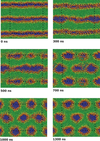
Simulation of biological systems at long length and distance scales
Jonathan Essex (Investigator), Kieran Selvon
This project aims to shed light on cell membrane mechanisms which are difficult to probe experimentally, in particular drug permiation across the cell membrane. If one had a full understanding of the mechanism, drugs could be designed to target particular embedded proteins to improve their efficacy, the viability of nano based medicines and materials could also be assessed, testing for toxicity etc.
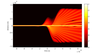
Soft x-ray science on a tabletop
Peter Horak, Jeremy Frey, Bill Brocklesby (Investigators), Patrick Anderson, Arthur Degen-Knifton
Complex numerical simulations are being performed to aid experimentalists at Southampton realize the next generation of high brightness tabletop sources of coherent soft x-rays.?
Software Sustainability Institute
Simon Hettrick (Investigator)
A national facility for cultivating world-class research through software
Software helps researchers to enhance their research, and improve the speed and accuracy of their results. The Software Sustainability Institute can help you introduce software into your research or improve the software you already use.
The Institute is based at the universities of Edinburgh, Manchester, Oxford and Southampton, and draws on a team of experts with a breadth of experience in software development, project and programme management, research facilitation, publicity and community engagement.
We help people build better software, and we work with researchers, developers, funders and infrastructure providers to identify key issues and best practice in scientific software.
Statistical model of the knee
Mark Taylor (Investigator), Francis Galloway, Prasanth Nair
Development of methods for large scale computational testing of a tibial tray incorporating inter-patient variability.
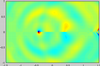
Stochastic computational methods for aero-acoustics
Gwenael Gabard (Investigator), Martina Dieste
Stochastic methods are used to synthesize a turbulent flow which is then used to model the sound radiated by an airfoil interacting with this turbulence. This approach is faster than performing a complete simulation of the flow field.
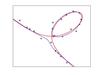
Structured low-rank approximation
Ivan Markovsky
Today's state-of-the-art methods for data processing are model based. We propose a fundamentally new approach that does not depend on an explicit model representation and can be used for model-free data processing. From a theoretical point of view, the prime advantage of the newly proposed paradigm is conceptual unification of existing methods. From a practical point of view, the proposed paradigm opens new possibilities for development of computational methods for data processing.
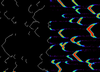
The application of automated pattern metrics to surface moisture influences on modelled dune field development
Robin Wilson, Joanna Nield (Investigators)
Areas of sand dunes (known as dunefields) develop complex patterns over time. These are influenced by both the past and present environmental conditions, including surface moisture, vegetation distribution and human impact. This project develops a method of automated pattern analysis which allow the patterns produced by a large number of sand dune evolution simulations (performed using the DECAL model) to be quantified over time.
The effect of roughness upon turbulent supersonic flows
Neil Sandham (Investigator), Christopher Tyson
Understanding the interaction between surface roughness and supersonic air flows are crucial in the design of high speed vehicles, including space re-entry vehicles. Numerical simulations of these flows has been conducted in order to examine and understand how the surface roughness interacts with high speed flows in terms of drag prediction and heat transfer to the wall surface.
The Maximum Entropy Production Principle and Natural Convection
Seth Bullock, James Dyke (Investigators), Stuart Bartlett
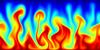
In this project I wanted to perform some tests of the so-called Maximum Entropy Production Principle (MEPP) in the context of buoyancy-driven convection in a system with negative feedback boundary conditions.
The Origin of Aeolian Dunes (TOAD)
Joanna Nield (Investigator)
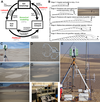
The overall aim of this project is to understand the genesis and subsequent evolution of aeolian early stage bedforms by quantifying for the very first time the role and importance of flow, transport and surface feedbacks in the initiation and emergence of dunes. This project offers the genuine prospect of surmounting arguably the major enduring research question within aeolian geomorphology, leading to broader insights which will offer knowledge benefits for sedimentary landform studies as a whole.
The response of the Bergmann glial cell to synaptic activity
Giles Richardson (Investigator), Stuart George
We model the potential changes induced in the Bergmann glial cell by synaptic activity in neighbouring neurons.
The Role of the Biota in the Carpenter Model on Lake Eutrophication
James Dyke (Investigator), Alexandra Diem
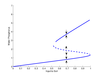
The Carpenter model is a useful and simple model to predict the eutrophication of shallow lakes via phosphorus input. This project aimed at resolving the function of the biota, which play a major role in the phosphorus dynamics, but are so far only implicitly modelled, and extending the model to explicitly represent them.
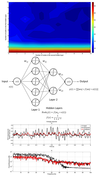
The tarsal intersegmental reflex control system in the locust hind leg
David Simpson, Philip Newland (Investigators), Alicia Costalago Meruelo
Locomotion is vital for vertebrates and invertebrates to survive. Despite that feet are responsible for stability and agility in most animals, research on feet movements and their reflexes is scarce.
In this thesis, the tarsal reflex responses of locust will be studied and modelled with ANNs to achieve a deeper comprehension of how stability and agility is accomplished.
The choice of ANNs is linked to the applicability of the method into other fields, such as technological designs or medical treatment.
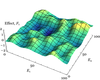
Tipping points in Complex Coupled Life-Environment Systems
Iain Weaver, James Dyke (Investigators)
System-level homeostasis has been demonstrated in a number of conceptual, artificial life, models which share the advantage of a thorough and transparent analysis. We reintroduce a general model for a coupled life-environment model, concentrating on a minimal set of assumptions, and explore the consequences of interaction between simple life elements and their shared, multidimensional environment.
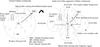
Today's Computation Enabling Tomorrow's Seamless Communication
Lajos Hanzo (Investigator), Varghese Thomas
Radio Over Fibre (ROF) is a communication technique that aims to gainfully amalgamate the benefits of optical and wireless communication, while keeping the system cost low. This technique would support the next generation of wireless services.

Transition to turbulence in high-speed boundary layers
Neil Sandham (Investigator), Nicola De Tullio
This work is focused on the numerical simulation of hypersonic transition to turbulence in boundary layers. We use direct numerical simulations of the Navier-Stokes equations to analyse the effects of different flow conditions and external disturbances on the transition process. The main objective is to gain insight into the different aspects of transition to turbulence at high speeds, which can lead to the design of new transition models and transition control techniques for high-speed flows.
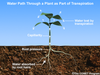
Validation of a spatial-temporal soil water movement and plant water uptake model
Tiina Roose, Sevil Payvandi (Investigators), James Heppell
We develop a model that estimates the water saturation level within the soil at different depths, and the uptake of water by the root system. Data from Smethurst et al (2012) is used to validate our model and obtain a fully calibrated system for plant water uptake. When compared quantitatively to other models such as CROPWAT, our model achieves a better fit to the experimental data because of the simpler, first, second and third order terms present in the boundary condition, as opposed to complicated non-linear functions.

Vertical turbulence structures in the benthic boundary layer as related to suspended sediments
Hachem Kassem (Investigator), Charlie Thompson
There is a genuine need for better, more robust modelling of suspended sediment transport in the coastal zone, both to understand its morphological evolution and it's impact on biogeochemical cycling, ecosystems services and to guide engineering applications such as dredging and defence schemes against erosion and flooding.
The suspension of sediment in turbulent flows is a complex case of fluid-particle interaction, governed by shear stresses (momentum exchanges) at the bed and within the benthic boundary layer (BBL). The intermittent transfer of momentum is a manifestation of coherent turbulent vortex structures within the flow. The passage of such structures (or clusters of) is often related to perturbations of bottom sediment, which may be entrained and maintained in suspension if sufficient turbulent energy is provided. The first part of my PhD investigated the temporal and scale relationships between wave–generated boundary layer turbulence and event–driven sediment transport in oscillatory flow in the nearshore. This involved complex statistical, spectral, quadrant and wavelet analysis of high frequency nearshore measurements of turbulence and suspended sediments (medium sand), collected as part of the EU-funded Barrier Dynamics Experiment II (BARDEX II). The following step aims to develop a 3D numerical model in OpenFOAM which would reproduce the fine scale turbulence structures observed over a fixed rippled bed in oscillatory flow. The 3D velocity field, turbulent components, correlations (stresses) and quadrant structures will then be linked to observed sediment resuspension events. The model will be validated against a set of laboratory experiments undertaken at the Fast Flow Facility at HR Wallingford.

Vortices in Spinor Bose-Einstein Condensates
Janne Ruostekoski (Investigator), Justin Lovegrove
We numerically study the effect of spin degrees of freedom on the structure of a vortex in an atomic superfluid. Such objects are of interest as macroscopic examples of quantum phenomena, as well as for their analogies in other fields, such as cosmology and high energy physics.
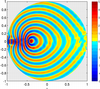
Wave-based discontinuous Galerkin methods
Gwenael Gabard (Investigator), Greg Kennedy
Wave-based computational methods are developed to model sound propagation in moving inhomogeneous media.
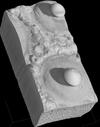
µ-VIS Computed Tomography Centre
Ian Sinclair, Richard Boardman, Dmitry Grinev, Philipp Thurner, Simon Cox, Jeremy Frey, Mark Spearing, Kenji Takeda (Investigators)
A dedicated centre for computed tomography (CT) at Southampton, providing complete support for 3D imaging science, serving Engineering, Biomedical, Environmental and Archaeological Sciences. The centre encompasses five complementary scanning systems supporting resolutions down to 200nm and imaging volumes in excess of one metre: from a matchstick to a tree trunk, from an ant's wing to a gas turbine blade.
People
 Peter Atkinson
Professor, Geography (FSHS)
 Darren Bagnall
Professor, Electronics and Computer Science (FPAS)
 Neil Bressloff
Professor, Engineering Sciences (FEE)
 Tom Brown
Professor, Chemistry (FNES)
 Seth Bullock
Professor, Electronics and Computer Science (FPAS)
 Geraldine Clough
Professor, Medicine (FM)
 Andrew Collins
Professor, Medicine (FM)
 Simon Cox
Professor, Engineering Sciences (FEE)
 Kees de Groot
Professor, Electronics and Computer Science (FPAS)
 Timothy Elliott
Professor, Medicine (FM)
 Jonathan Essex
Professor, Chemistry (FNES)
 Jonathan Flynn
Professor, Physics & Astronomy (FPAS)
 Jeremy Frey
Professor, Chemistry (FNES)
 Bharathram Ganapathisubramani
Professor, Engineering Sciences (FEE)
 Lajos Hanzo
Professor, Electronics and Computer Science (FPAS)
 Martyn Hill
Professor, Engineering Sciences (FEE)
 Pavlos Lagoudakis
Professor, Physics & Astronomy (FPAS)
Paul LewinProfessor, Electronics and Computer Science (FPAS)
 Philip Newland
Professor, Biological Sciences (FNES)
 Mahesan Niranjan
Professor, Electronics and Computer Science (FPAS)
 Janne Ruostekoski
Professor, Mathematics (FSHS)
 Richard Sandberg
Professor, Engineering Sciences (FEE)
 Neil Sandham
Professor, Engineering Sciences (FEE)
 James Scanlan
Professor, Engineering Sciences (FEE)
 Ian Sinclair
Professor, Engineering Sciences (FEE)
 Timothy Sluckin
Professor, Mathematics (FSHS)
 Mark Spearing
Professor, Engineering Sciences (FEE)
 Mark Taylor
Professor, Engineering Sciences (FEE)
Pandeli TemarelProfessor, Civil Engineering & the Environment (FEE)
 Mark Zwolinski
Professor, Electronics and Computer Science (FPAS)
 Bill Brocklesby
Reader, Optoelectronics Research Centre
 Giampaolo D'Alessandro
Reader, Mathematics (FSHS)
Nicolas GreenReader, Electronics and Computer Science (FPAS)
 Peter Horak
Reader, Optoelectronics Research Centre
Tobias KellerReader, Ocean & Earth Science (FNES)
Rohan LewisReader, Medicine (FM)
 Adam Prugel-Bennett
Reader, Electronics and Computer Science (FPAS)
 Giles Richardson
Reader, Mathematics (FSHS)
 Tiina Roose
Reader, Engineering Sciences (FEE)
 Jorn Werner
Reader, Biological Sciences (FNES)
 Thomas Blumensath
Senior Lecturer, Institute of Sound & Vibration Research (FEE)
Markus BredeSenior Lecturer, Electronics and Computer Science (FPAS)
Robert EwingSenior Lecturer, Biological Sciences (FNES)
 Timothy Freegarde
Senior Lecturer, Physics & Astronomy (FPAS)
 Dominic Hudson
Senior Lecturer, Engineering Sciences (FEE)
Julian LeylandSenior Lecturer, Geography (FSHS)
 Prasanth Nair
Senior Lecturer, Engineering Sciences (FEE)
 Joanna Nield
Senior Lecturer, Geography (FSHS)
Reuben PengellySenior Lecturer, Medicine (FM)
 David Simpson
Senior Lecturer, Institute of Sound & Vibration Research (FEE)
 Richard Watson
Senior Lecturer, Electronics and Computer Science (FPAS)
Mohamed BakoushLecturer, Management (FBL)
 Neil Broderick
Lecturer, Optoelectronics Research Centre
Zhi-Min ChenLecturer, Chemistry (FNES)
 Kamal Djidjeli
Lecturer, Engineering Sciences (FEE)
 James Dyke
Lecturer, Electronics and Computer Science (FPAS)
 Gwenael Gabard
Lecturer, Institute of Sound & Vibration Research (FEE)
Basel HalakLecturer, Electronics and Computer Science (FPAS)
 Ian Hawke
Lecturer, Mathematics (FSHS)
 Denis Kramer
Lecturer, Engineering Sciences (FEE)
 Georges Limbert
Lecturer, Engineering Sciences (FEE)
 Ivan Markovsky
Lecturer, Electronics and Computer Science (FPAS)
 Andras Sobester
Lecturer, Engineering Sciences (FEE)
 Ming-yi Tan
Lecturer, Engineering Sciences (FEE)
 Philipp Thurner
Lecturer, Engineering Sciences (FEE)
 Richard Boardman
Senior Research Fellow, Engineering Sciences (FEE)
 Reno Choi
Senior Research Fellow, Geography (FSHS)
 Francesco Poletti
Senior Research Fellow, Optoelectronics Research Centre
Rie SugimotoSenior Research Fellow, Institute of Sound & Vibration Research (FEE)
Charlie ThompsonSenior Research Fellow, Ocean & Earth Science (FNES)
 Philip Williamson
Senior Research Fellow, Biological Sciences (FNES)
 Guy Abel
Research Fellow, Social Sciences (FSHS)
Felipe Alves PortelaResearch Fellow, Engineering Sciences (FEE)
 Alistair Bailey
Research Fellow, Medicine (FM)
 Andrea Boghi
Research Fellow, Engineering Sciences (FEE)
Petros BogiatzisResearch Fellow, Ocean & Earth Science (FNES)
Adam BriscoeResearch Fellow, Engineering Sciences (FEE)
Dirk BroemmelResearch Fellow, Physics & Astronomy (FPAS)
 Dario Carugo
Research Fellow, Engineering Sciences (FEE)
Taihai ChenResearch Fellow, Electronics and Computer Science (FPAS)
Keith DalyResearch Fellow, Civil Engineering & the Environment (FEE)
Nicola De TullioResearch Fellow, Engineering Sciences (FEE)
 Aleksander Dubas
Research Fellow, Engineering Sciences (FEE)
Btissam Er-RahmadiResearch Fellow, Management (FBL)
Dmitry GrinevResearch Fellow, Engineering Sciences (FEE)
Mathis HainResearch Fellow, Ocean & Earth Science (FNES)
Elizabeth HartResearch Fellow, Engineering Sciences (FEE)
 Hachem Kassem
Research Fellow, Ocean & Earth Science (FNES)
 Gwen Palmer
Research Fellow, Engineering Sciences (FEE)
 Sevil Payvandi
Research Fellow, Engineering Sciences (FEE)
Nina PodoliakResearch Fellow, Physics & Astronomy (FPAS)
James RichardsonResearch Fellow, Chemistry (FNES)
Victor Rodriguez GalianoResearch Fellow, Geography (FSHS)
Aravinthan VaratharajResearch Fellow, Medicine (FM)
 Robin Wilson
Research Fellow, Geography (FSHS)
- -Postgraduate Research Student, Electronics and Computer Science (FPAS)
 Nana Okra Abankwa
Postgraduate Research Student, Engineering Sciences (FEE)
 Joseph Abram
Postgraduate Research Student, Electronics and Computer Science (FPAS)
 Roxana Aldea
Postgraduate Research Student, Mathematics (FSHS)
Patrick AndersonPostgraduate Research Student, Optoelectronics Research Centre
 David Arden
Postgraduate Research Student, Electronics and Computer Science (FPAS)
 Jordi Arranz
Postgraduate Research Student, Electronics and Computer Science (FPAS)
 Asa Asadollahbaik
Postgraduate Research Student, Engineering Sciences (FEE)
 Stuart Bartlett
Postgraduate Research Student, Electronics and Computer Science (FPAS)
Peter BartramPostgraduate Research Student, University of Southampton
 Patrick Bechlars
Postgraduate Research Student, Engineering Sciences (FEE)
 Ioannis Begleris
Postgraduate Research Student, Engineering Sciences (FEE)
Thomas BennettPostgraduate Research Student, Mathematics (FSHS)
 Harry Beviss
Postgraduate Research Student, Electronics and Computer Science (FPAS)
 ThankGod E. Boye
Postgraduate Research Student, Engineering Sciences (FEE)
Eleni ChatzikyriakouPostgraduate Research Student, Electronics and Computer Science (FPAS)
Michael ChesnayePostgraduate Research Student, Institute of Sound & Vibration Research (FEE)
 Jean Claus
Postgraduate Research Student, Engineering Sciences (FEE)
Laura CooperPostgraduate Research Student, Engineering Sciences (FEE)
 Alicia Costalago Meruelo
Postgraduate Research Student, University of Southampton
Paul CrossPostgraduate Research Student, Engineering Sciences (FEE)
 Enrique Cuan-Urquizo
Postgraduate Research Student, Engineering Sciences (FEE)
 Nicola De Tullio
Postgraduate Research Student, Engineering Sciences (FEE)
 Alexandra Diem
Postgraduate Research Student, Engineering Sciences (FEE)
Martina DiestePostgraduate Research Student, Institute of Sound & Vibration Research (FEE)
 Samuel Diserens
Postgraduate Research Student, Engineering Sciences (FEE)
Caroline DuignanPostgraduate Research Student, Biological Sciences (FNES)
 Joseph Egan
Postgraduate Research Student, Mathematics (FSHS)
 Robert Entwistle
Postgraduate Research Student, Engineering Sciences (FEE)
 Darius Pepe Falahat
Postgraduate Research Student, Electronics and Computer Science (FPAS)
Francis GallowayPostgraduate Research Student, Engineering Sciences (FEE)
 Stuart George
Postgraduate Research Student, Mathematics (FSHS)
Matthew HarrisonPostgraduate Research Student, Civil Engineering & the Environment (FEE)
 James Heppell
Postgraduate Research Student, Electronics and Computer Science (FPAS)
Nicholas HillPostgraduate Research Student, Electronics and Computer Science (FPAS)
 William Hurndall
Postgraduate Research Student, Electronics and Computer Science (FPAS)
Alex JamesPostgraduate Research Student, Institute of Sound & Vibration Research (FEE)
 Joshua Jeeson Daniel
Postgraduate Research Student, Engineering Sciences (FEE)
 Leo Jofeh
Postgraduate Research Student, Electronics and Computer Science (FPAS)
Greg KennedyPostgraduate Research Student, Institute of Sound & Vibration Research (FEE)
Konstantinos KouvarisPostgraduate Research Student, Electronics and Computer Science (FPAS)
Puram LakshmynarayananaPostgraduate Research Student, Civil Engineering & the Environment (FEE)
 Edwin Lizarazo
Postgraduate Research Student, Physics & Astronomy (FPAS)
 Justin Lovegrove
Postgraduate Research Student, Mathematics (FSHS)
 David Lusher
Postgraduate Research Student, Engineering Sciences (FEE)
 Sam Mangham
Postgraduate Research Student, Electronics and Computer Science (FPAS)
Nicholas McCawPostgraduate Research Student, Engineering Sciences (FEE)
 Juraj Mihalik
Postgraduate Research Student, Engineering Sciences (FEE)
Puja MishraPostgraduate Research Student, Engineering Sciences (FEE)
 Neil O'Brien
Postgraduate Research Student, Engineering Sciences (FEE)
 Walton P. Coutinho
Postgraduate Research Student, Mathematics (FSHS)
Sanjay PantPostgraduate Research Student, Engineering Sciences (FEE)
 Lyuboslav Petrov
Postgraduate Research Student, Electronics and Computer Science (FPAS)
Maximillian PhippsPostgraduate Research Student, Chemistry (FNES)
 Lenka Pitonakova
Postgraduate Research Student, University of Southampton
 Daniel Powell
Postgraduate Research Student, Engineering Sciences (FEE)
Stephen PowellPostgraduate Research Student, Engineering Sciences (FEE)
Thomas RaePostgraduate Research Student, Physics & Astronomy (FPAS)
 Hossam Ragheb
Postgraduate Research Student, Engineering Sciences (FEE)
 Sophie Marika Reed
Postgraduate Research Student, Mathematics (FSHS)
 Sonya Ridden
Postgraduate Research Student, Mathematics (FSHS)
 Christoph Riedel
Postgraduate Research Student, Electronics and Computer Science (FPAS)
 Jan Junis Rindermann
Postgraduate Research Student, Physics & Astronomy (FPAS)
Watchapon RojanaratanangkulePostgraduate Research Student, Engineering Sciences (FEE)
 Álvaro Ruiz-Serrano
Postgraduate Research Student, Chemistry (FNES)
 Ben Samways
Postgraduate Research Student, Physics & Astronomy (FPAS)
Jack SaywellPostgraduate Research Student, Engineering Sciences (FEE)
 Kieran Selvon
Postgraduate Research Student, Engineering Sciences (FEE)
Samuel SeniorPostgraduate Research Student, Engineering Sciences (FEE)
 Katherine Soady
Postgraduate Research Student, Engineering Sciences (FEE)
Adam SobeyPostgraduate Research Student, Engineering Sciences (FEE)
 Maike Sonnewald
Postgraduate Research Student, National Oceanography Centre (FNES)
 Pegah Tayaranian Hosseini
Postgraduate Research Student, Institute of Sound & Vibration Research (FEE)
 Daniele Trimarchi
Postgraduate Research Student, Engineering Sciences (FEE)
Jacob TurnerPostgraduate Research Student, Engineering Sciences (FEE)
Christopher TysonPostgraduate Research Student, Engineering Sciences (FEE)
Jack TysonPostgraduate Research Student, Electronics and Computer Science (FPAS)
 James Underwood
Postgraduate Research Student, Engineering Sciences (FEE)
Koen van MierloPostgraduate Research Student, Engineering Sciences (FEE)
 Valerio Vitale
Postgraduate Research Student, Electronics and Computer Science (FPAS)
 Iain Weaver
Postgraduate Research Student, Electronics and Computer Science (FPAS)
Chris WoodPostgraduate Research Student, Ocean & Earth Science (FNES)
 Martin Wood
Postgraduate Research Student, Ocean & Earth Science (FNES)
 Alex Wright
Postgraduate Research Student, Civil Engineering & the Environment (FEE)
Andre XuerebPostgraduate Research Student, Physics & Astronomy (FPAS)
Jess JonesTechnical Staff, iSolutions
 Petrina Butler
Administrative Staff, Research and Innovation Services
 Erika Quaranta
Enterprise staff, Engineering Sciences (FEE)
 Manuel Diaz Brito
Alumnus, Pall Corporation
basel hajiAlumnus, University of lattakia
Kondwani KanjereAlumnus, Engineering Sciences (FEE)
 James Kenny
Alumnus, Engineering Sciences (FEE)
Simon LewisAlumnus, Engineering Sciences (FEE)
 Arthur Lugtigheid
Alumnus, Psychology (FSHS)
 Gunnar Mallon
Alumnus, Geography (FSHS)
 Mohsen Mesgarpour
Alumnus, University of Southampton
 Marc Molinari
Alumnus, Engineering Sciences (FEE)
John MuddleAlumnus, Mathematics (FSHS)
Alkin NasufAlumnus, Engineering Sciences (FEE)
Andrew PennerAlumnus, Mathematics (FSHS)
Albert PrinnAlumnus, Institute of Sound & Vibration Research (FEE)
 Kenji Takeda
Alumnus, Engineering Sciences (FEE)
 Weiwei Wang
Alumnus, Ningbo University
 Moresh Wankhede
Alumnus, Dacolt International B.V.
 Christian Wood
Alumnus, Engineering Sciences (FEE)
 Marijan Beg
External Member, Imperial College London
 Mark Vousden
External Member, University of Southampton
Zunaira BabarNone, None
Ibrahim BelloNone, None
Brian BonneyNone, None
Arthur Degen-KniftonNone, None
Mohammed El-HajjarNone, None
Simon HettrickNone, None
Daisuke SasakiNone, None
Junfen ShiNone, None
Doroteya StaykovaNone, None
Varghese ThomasNone, None
Sheng YangNone, None