Visualisation and data handling software
Categories within this topic include 3ds Max (1), Amira (2), ArcGIS (13), Avizo (6), Blender (3), ECCE (1), ENVI (7), Gnuplot (24), h5py (2), HDF5 (14), IDL (6), ImageJ/Fiji (4), Jung (2), Labview (1), Mayavi (13), MS Office Access (4), MySQL (4), NetworkX (1), ParaView (25), PostGres (1), Povray (2), Pylab (24), PyTables (3), Simpleware (2), SQL Azure (1), TecPlot (17), VG Studio Max (1), Virtual Earth (1), VisIt (7), Visual Python (5), VMD (18), VTK (18), Xmgrace (20)
All Projects
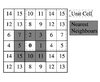
A Fast Multipole Method for the Bessel potential
Marc Molinari, Simon Cox (Investigators), Neil O'Brien
The fast multipole method (FMM) proposed by Greengard and Rokhlin provides a method by which the O(N-squared) many-body problem can be reduced to O(N) complexity. In this project, a multipole method is developed to calculate the energy of a system of vortices in a high temperature superconductor, where the many-body interactions give rise to rich and complex physics. The method developed here is suitable for systems where the interactions are governed by a Bessel potential rather than the usual logarithmic potentials occurring in gravitational and electrostatic problems. We derive and apply vectorised forms of the Gegenbauer addition formulae in order to achieve the O(N) scaling associated with fast multipole methods.
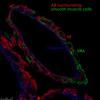
A Mathematical Analysis of the Driving Force of Perivascular Drainage in the Brain
Giles Richardson, Roxana-Octavia Carare (Investigators), Alexandra Diem
The observation that solute drainage in the brain occurs in the reverse direction of the blood flow has for a long time been puzzling for researchers. We developed a simple analytical model that can explain this reverse drainage of solutes and has potential implications for the development of treatment for Alzheimer's Disease.

A novel method for monitoring air pollution from satellites at very high resolution
Joanna Nield, Jason Noble, Edward Milton (Investigators), Robin Wilson
Developing methods to monitor the clarity of the atmosphere from satellites at 100,000 times the resolution of previous methods. This can then be used to monitor air pollution, correct satellite images and provide data for climate studies. Simulation is used to model the effects of atmospheric pollution on light passing through the atmosphere, and to test the method under 'synthetic atmospheres'.
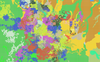
A spatially-explicit agent-based model of jaguar population dynamics
Jason Noble, Patrick Doncaster (Investigators), Angela Watkins
A single species spatially-explicit agent-based model has been developed that illustrates the role of simulation modelling, integrated with an adapted least-cost modelling approach and real-world geographical data, in exploring jaguar population dynamics.
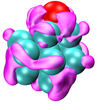
Ab initio simulations of chemical reactions on platinum nanoparticles
Chris-Kriton Skylaris (Investigator), Álvaro Ruiz-Serrano, Peter Cherry
•Use first principles calculations to study the relationship between shape and size of nanoparticle and the oxygen adsorption energy.
• Investigate the effect of high oxygen coverage on the catalytic activity of the nanoparticles.
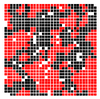
Adding social ties to the Schelling model
Seth Bullock, Sally Brailsford (Investigators), Elisabeth zu-Erbach-Schoenberg
The Schelling model is an abstract model for segregation in
a spatially arranged population. We extended the traditional model by the addition of a dynamic social network. The social network influences the spatial dynamics of agents moving on the grid by changing the agents’ evaluation of their neighbourhood. In turn, the spatial arrangement influences the change of the social network.
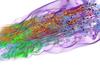
Advanced modelling for two-phase reacting flow
Edward Richardson (Investigator)
Engine designers want computer programs to help them invent ways to use less fuel and produce less pollution. This research aims to provide an accurate and practical model for the injection and combustion of liquid fuel blends.
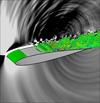
Aerofoil noise
Richard Sandberg (Investigator)
High-performance computing is used to identify noise sources on aerofoils.
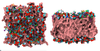
Antimicrobial Peptide and E. coli Membrane Interactions
Syma Khalid (Investigator), Thomas Piggot, Nils Berglund
Antimicrobial peptides (AMPs) are known to disrupt the membranes of bacterial cells such as E. coli. I work on investigating the nature of these interactions using molecular dynamics (MD) simulations.
Assessment of the performance of novel RANS and hybrid turbulence models on the flow around a cylinder
Manuel Diaz Brito
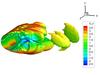
The turbulent flow around a circular cylinder is a widely studied problem in fluid dynamics. At a certain characteristic Reynolds numbers the development of a turbulent wake occurs simultaneously with separation of the laminar boundary layer. The mechanisms defining this critical flow state are very complex to predict computationally. In this project the suitability of novel non-linear eddy viscosity closures and a hybrid Flow Simulation Methodology formulation to face these massively separated flows is studied. The flow predicting capabilities of the baseline EASM, ?-?-EASM and FSM-?-?-EASM tested are contrasted with the industrial renowned k-?-SST turbulence model. In the visualisation of the results it is evident that the ?-?-EASM has greater flexibility estimating the components of the Reynolds stresses with respect to the baseline EASM and the k-?-SST. Although dome differences are observed, the prediction of the critical flow around a cylinder is not accurately achieved by any of these RANS models, but the FSM-?-?-EASM shows great resemblance with the validation data, demonstrating capabilities of resolving very complex flow phenomena with minimum user input if the computational grid is fine enough. In order to demonstrate even greater advantages of non-linear models it was postulated that the addition of a streamwise impinging vortex hitting the leading edge of the cylinder would make the flow field fully three-dimensional. First attempts were tried in this route but time constraints limited the ultimate scope of the present work.
Automated Algorithmic Trading with Intelligent Execution
Frank McGroarty, Enrico Gerding (Investigators), Ash Booth
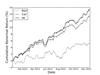
In this project, we introduce the first fully automated trading system for real-world stock trading that uses time-adaptive execution algorithm to minimise market impact while increasing profitability com- pared to benchmark strategies.
Automated selection of suitable atmospheric calibration sites for satellite imagery
Robin Wilson, Edward Milton (Investigators)
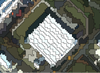
Ground calibration targets (GCTs) play a vital role in atmospheric correction of satellite sensor data in the optical region, but selecting suitable targets is a subjective and time- consuming task. This project is developing methods to automatically select suitable GCTs, using a combination of remotely sensed multispectral and topographic data.
Automated Trading with Performance Weighted Random Forests and Seasonality
Frank McGroarty, Enrico Gerding (Investigators), Ash Booth
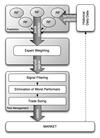
This project proposes an expert system that uses novel machine learning techniques to predict the price return over these seasonal events, and then uses these predictions to develop a profitable trading strategy.

B-meson coupling with relativistic heavy quarks
Jonathan Flynn (Investigator), Ben Samways, Dirk Broemmel, Patrick Fritzsch
We non-perturbatively compute the coupling between B* and B pi meson states relying on relativistic heavy quarks and domain wall light fermions. The coupling is of importance for an effective description of hadronic heavy meson decays.
Bioinformatic identification and physiological analysis of ethanol-related genes in C. elegans
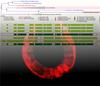
Richard Edwards, Vincent O'Connor, Lindy Holden-Dye (Investigators), Ben Ient
Investigating the broad molecular, cellular and systems level impacts of acute and chronic ethanol in the nematode, Caenorhabditis elegans, as a model.
BioSimGrid
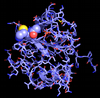
Jonathan Essex, Hans Fangohr (Investigators), Richard Boardman, Syma Khalid, Steven Johnston
The aim of the BioSimGrid project is to make the results of large-scale computer simulations of biomolecules more accessible to the biological community. Such simulations of the motions of proteins are a key component in understanding how the structure of a protein is related to its dynamic function.
Body Forces in Particle Suspensions in Turbulence
Gabriel Amine-Eddine (Investigator)
The behaviour of multiphase flows is of primary importance in many engineering applications. In the past, experimental observations have provided many researchers with the ability to understand and probe the phenomena and physical processes occurring in such flows. With advancements in modern day computational power, we now have the ability to gain an even greater wealth of knowledge, from what used to be a physical experiment, is now a virtual simulation.
Amine-Eddine, G.H. (2015) Body forces in particle suspensions in turbulence. University of Southampton, Faculty of Engineering and the Environment, Doctoral Thesis , 283pp.
BRECcIA - Building REsearch Capacity for sustainable water and food security In sub-saharan Africa
The BRECcIA project is aimed at developing research and researchers to understand water and food security challenges in sub-Saharan Africa
Can we calculate the pKa of new drugs, based on their structure alone?
Chris-Kriton Skylaris (Investigator), Chris Pittock, Jacek Dziedzic
The pKa of an active compound in a pharmaceutical drug affects how it is absorbed and distributed around the human body. While there are various computational methods to predict pKa using only molecular structure data, these tend to be specialised to only one class of drug - we aim to generate a more generalised prediction method using quantum mechanics.

Centre for Doctoral Training in Next Generation Computational Modelling
Hans Fangohr, Ian Hawke, Peter Horak (Investigators), Susanne Ufermann Fangohr, Thorsten Wittemeier, Kieran Selvon, Alvaro Perez-Diaz, David Lusher, Ashley Setter, Emanuele Zappia, Hossam Ragheb, Ryan Pepper, Stephen Gow, Jan Kamenik, Paul Chambers, Robert Entwistle, Rory Brown, Joshua Greenhalgh, James Harrison, Jonathon Waters, Ioannis Begleris, Craig Rafter
The £10million Centre for Doctoral Training was launched in November 2013 and is jointly funded by EPSRC, the University of Southampton, and its partners.
The NGCM brings together world-class simulation modelling research activities from across the University of Southampton and hosts a 4-year doctoral training programme that is the first of its kind in the UK.
Cloud Computing for Planetary Defense
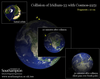
Hugh Lewis, Kenji Takeda (Investigators), Steven Johnston
We demonstrate how a cloud-based computing architecture can be used for planetary defense and space situational awareness (SSA). We show how utility compute can facilitate both a financially economical and highly scalable solution for space debris and near-earth object impact analysis. As we improve our ability to track smaller space objects, and satellite collisions occur, the volume of objects being tracked vastly increases, increasing computational demands. Propagating trajectories and calculating conjunctions becomes increasingly time critical, thus requiring an architecture which can scale with demand. The extension of this to tackle the problem of a future near-earth object impact is discussed, and how cloud computing can play a key role in this civilisation-threatening scenario.

Complexity in Modelling Electric Marine Propulsive Devices
Suleiman Sharkh, Neil Bressloff, Hans Fangohr (Investigators), Aleksander Dubas
This project involves the simulation of turbulent flow around a marine rim-driven thruster and the complex interaction of flow features involved through computational fluid dynamics. Following this, the optimisation of design parameters using computational fluid dynamics to calculate the objective function is performed and surrogate modelling utilised to estimate optimum design configuration.
Computational electromagnetic modelling of 3D photonic structures
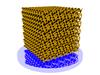
Marc Molinari, Darren Bagnall, Simon Cox (Investigators), Asa Asadollahbaik, Elizabeth Hart
Nano-structured materials can provide very specific and often very special optical effects which can be exploited for a large range of optical applications including wavelength filters, LEDs, micro-lasers, HDTV, solar-cell coatings, optical high-Q fibres, diffraction gratings, polarisation devices, optical switches, etc. This research in “Computational Electromagnetic Modelling of 3D Photonic Structures” aims to address the need for accurate and fast three-dimensional modelling, simulation and analysis processes in the photonics industry. A FEM/FDTD software suite will be developed to simulate Maxwell’s field equations and thin-film quantum effects (plasmons) in the visible and near-infrared EM frequency spectrum. The results obtained from running the software on suitable compute clusters will then be compared to the analysis results of experimentally manufactured materials. We will investigate structures occurring in nature such as iridescent butterfly wings, white/black reflecting beetle shells, etc., and aim to optimise artificially designed structures with periodic, quasi-periodic and random configurations.

Control and Prediction of the Organic Solid State
Richard Boardman
This project aims to produce a computer technology for the prediction of the crystal structure(s) of an organic molecule, that could be used even prior to the synthesis of the compound.
Such a computational study could be done relatively quickly to predict the dangers and opportunities of the solid phases of a molecule under development. Our project will develop the methods of experimental screening for polymorphs and their characterisation, and hence the combination will provide a major new technology for aiding industrial formulation.
Designer 3D Magnetic Mesostructures
Hans Fangohr (Investigator), Matteo Franchin, Andreas Knittel
A new electrodeposition self-assembly method allows for the growth of well defined mesostructures. This project's aim is to use this method in order to fabricate supraconducting and ferromagnetic mesostructures. Numerical methods based on well-established models are used in order to characterise the grown structures.
Development of a novel Navier-Stokes solver (HiPSTAR)
Richard Sandberg (Investigator)
Development of a highly efficient Navier-Stokes solver for HPC.
Diffusion at solute/solvent interfaces
Anatoliy Vorobev (Investigator), Ruilin Xie
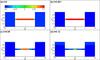
We aim to develop the theoretical model that would provide an accurate description for the mixing process of two miscible liquids, and, in particular, would reproduce our experimental optical observations. The model based on the phase-field (Cahn-Hilliard) approach is adopted for the mixture of two miscible liquids. The model takes into account the surface tension effects, the non-Fickian diffusion across the liquid/liquid interface, and hydrodynamic flows that might be generated near the interface by the concentration gradients.
DIPLOS - Dispersion of Localised Releases in a Street Network
Trevor Thomas, Ian Castro (Investigators)
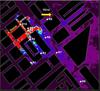
The security threat level from international terrorism, introduced by the UK Security Service, has been classified as either "severe" or "critical" for much of its six-year history, and currently remains as "substantial" (source: MI5 website). Part of the risk posed by terrorist threats involves potential releases of air-borne chemical, biological, radiological or nuclear (CBRN) material into highly populated urbanised areas. Smoke from industrial accidents within or in the vicinity of urban areas also pose risks to health and can cause widespread disruption to businesses, public services and residents. The Buncefield depot fire of 2005 resulted in the evacuation of hundreds of homes and closure of more than 200 schools and public buildings for two days; consequences would have been much more severe if prevailing meteorological conditions had promoted mixing or entrainment of the smoke plume into the urban canopy. In both these scenarios it is crucial to be able to model, quickly and reliably, dispersion from localised sources through an urban street network in the short range, where the threat to human health is greatest. However, this is precisely where current operational models are least reliable because our understanding and ability to model short-range dispersion processes is limited. The contribution that DIPLOS will make is:
1. to fill in the gaps in fundamental knowledge and understanding of key dispersion processes,
2. to enable these processes to be parametrized for use in operational models,
3. to implement them into an operational model, evaluate the improvement and apply the model to a case study in central London
Most of the existing research on urban dispersion has focused on air quality aspects, with sources being extensive and distributed in space. Scientifically, this research is novel in focusing on localized releases within urban areas, and on dispersion processes at short range. Through a combination of fundamental studies using wind tunnel experiments and high resolution supercomputer simulations, extensive data analysis and development of theoretical and numerical models, DIPLOS will contribute to addressing this difficult and important problem from both a scientific research and a practical, operational perspective.
Dipole moment and theoretical spectroscopy: a computational approach
Chris-Kriton Skylaris (Investigator), Valerio Vitale
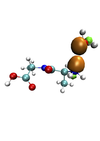
The present project represents a first step towards the implementation of a new technique to calculate the whole vibrational spectra of molecules in a formally exact way, which fully takes into account anharmonicity and conformational transitions, at a finite temperature, both in gas phase and in solution in a single ab initio molecular dynamics simulation.

Direct Numerical Simulations of transsonic turbine tip gap flow
Richard Sandberg (Investigator)
Direct Numerical Simulations are conducted of the transsonic flow through the tip gap at real engine conditions.

Directing magnetic skyrmion traffic flow with nanoscale patterning.
Hans Fangohr (Investigator), Mark Vousden
Skyrmions in magnetic nanostructures may lead to new data storage technologies. Appropriate simulation methodologies are developed and applied.
Dynamag: computational magnonics
Hans Fangohr, Atul Bhaskar (Investigators), Matteo Franchin, Andreas Knittel
Analytical treatment of long range magneto-dipole interactions is a bottle-neck of magnonics and more generally of the theory of spin waves in non-uniform media. This project develops a theoretical framework for analysis of magnonic phenomena in magnetic nano-structures, including isolated nano-elements, arrays of those, and extended magnonic crystals. The DYNAMAG project is funded by the EU FP7 and the DST of India.
Dynamics of interacting magnetic nanoparticles
Thomas Fischbacher (Investigator), Maximilian Albert
The project aims at extending the micromagnetic simulation framework 'nmag' developed at the University of Southampton to enable it to handle dynamic geometries. The extended framework will then be used to study systems such as interacting magnetic nanoparticles.
Dynamics simulations for quantum feedback to steer a single-particle harmonic oscillator in non-classical states
Hendrik Ulbricht (Investigator), Ashley Setter
This PhD project is about using digital electronics to implement a parametric feedback loop to modulate the intensity of an optical trapping laser in order to stabilise/cool the centre of mass motion of a nanoparticle. It is then intended we use digital parametric feedback to drive the motion of the particle, which is essentially a quantum harmonic oscillator, into non-classical quantum states such as squeezed and number states.

Eddy-resol?ving Simulation?s for Turbomachi?nery Applicatio?ns
Richard Sandberg (Investigator), Li-Wei Chen
Traditionally, the design of turbomachinery components has been exclusively accomplished with steady CFD, with Reynolds Averaged Navier-Stokes (RANS) models being the predominant choice. With computing power continuously increasing, high-fidelity numerical simulations of turbomachinery components are now becoming a valuable research tool for validating the design process and continued development of design tool.
In the current project, Direct Numerical Simulations (DNS) and other eddy-resolving approaches will be performed of turbomachinery components to establish benchmark data for design tools, and to investigate physical mechanisms that cannot be captured by traditional CFD approaches.
First Principles Simulation of Glycine Adsorption to Amorphous Silica
Chris-Kriton Skylaris (Investigator), Benjamin Lowe
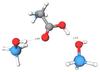
Understanding the molecular interactions between silica and biomolecules is an important in the fields of Bionanotechnology, Biomimetic Material Science and Prebiotic Chemistry. DFT calculations were performed based on a literature study to better understand the interaction between silica and glycine.
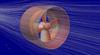
Fluid Dynamics Optimisation of Rim-Drive Thrusters and Ducted Hydrokinetic Generators
Aleksander Dubas, Suleiman Sharkh (Investigators)
This is a Knowledge Transfer Partnership project is a collaboration between the University of Southampton and TSL Technology Ltd. to develop computational fluid dynamics software design tools for modelling and optimising the design of propeller thrusters and water turbine generators.
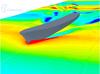
Fluid Loads and Motions of Damaged Ships
Dominic Hudson, Ming-yi Tan (Investigators), Christian Wood, James Underwood, Adam Sobey
An area of research currently of interest in the marine industry is the effect of damage on ship structures. Research into the behaviour of damaged ships began in the mid nineties as a result of Ro-Ro disasters (e.g. Estonia in 1994). Due to the way the Estonia sank early research mainly focused on transient behaviour immediately after the damage takes place, the prediction of capsize, and of large lateral motions. Further research efforts, headed by the UK MoD, began following an incident where HMS Nottingham ran aground tearing a 50m hole from bow to bridge, flooding five compartments and almost causing the ship to sink just off Lord Howe Island in 2002. This project intends to answer the following questions:
“For a given amount of underwater damage (e.g. collision or torpedo/mine hit), what will be the progressive damage spread if the ship travels at ‘x’ knots? OR for a given amount of underwater damage, what is the maximum speed at which the ship can travel without causing additional damage?”
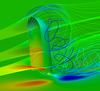
Fluid Structure Interactions of Yacht Sails
Stephen Turnock (Investigator), Daniele Trimarchi
The research is the main subject of the PhD topic. It regards the application of fluid structure interaction techniques to the domain of yacht sails simulation
Fracturing of small social networks
Seth Bullock, Sally Brailsford (Investigators), Elisabeth zu-Erbach-Schoenberg
A connected social network is a very important factor for the success of groups and organisations. We investigate which factors make a group more resistant to the effects of disagreements which commonly happen in small social networks.
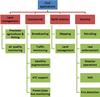
Generic Operational Simulation of Civil Unmanned Air Vehicle Operations
Hans Fangohr, James Scanlan (Investigators)
This project creates a generic operational simulation of Unmanned Air Vehicle Operations. UAVs can be valued for their mission-suitability and compared against various configurations.
Graphical Simulation of Archaeological Environments
Graeme Earl (Investigator)
This project defines an emerging area of interest in physically accurate rendering within the Archaeological Computing Research Group. Sub-projects include analysis of Roman spaces at herculaneum, Neolithic buildings at Catalhoyuk and simulation of a range of artefacts.
Gravitational waves from neutron stars
Ian Hawke (Investigator)
Gravitational waves, once detected, will give information about the extremes of space and time. Compact objects such as neutron stars are perfect locations for generating such waves.
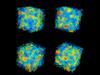
Hadronic structure on the computer
Jonathan Flynn (Investigator), Dirk Broemmel, Thomas Rae, Ben Samways
In experiments at the Large Hadron Collider (LHC) at CERN, Geneva, the interactions that occur between the colliding particles (protons in this case) can be factorised into a simple scattering between two constituent particles, called quarks, followed by a hadronisation process, which describes the dynamics of forming the bound proton states. Quarks are particles within the proton that bind to form composite particles (hadrons) such as a proton. The scattering process can be computed relatively easily, but hadronisation is intrinsically non-perturbative and hard to calculate. Lattice QCD (computer simulation of QCD on a discrete space-time lattice) provides our only known first-principles and systematically-improvable method to address problems like hadronisation. This project uses Iridis to extract parton distribution amplitudes which are experimentally inaccessible, but needed to describe the quark structure of hadrons.
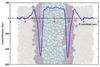
How far can we stretch the MARTINI?
Syma Khalid (Investigator), Ric Gillams
To date, coarse-grained lipid models have generally been parameterised to ensure the correct prediction of structural properties of membranes, such as the area per lipid and the bilayer thickness. The work described here explores the extent to which coarse-grained models are able to predict correctly bulk properties of lipids (phase behaviour) as well as the mechanical properties, such as lateral pressure profiles and stored elastic stress in bilayers. Such an evaluation is crucial for understanding the predictive capabilities of coarse-grained models.

How sensitive is ocean model utility to resolution?
Kevin Oliver (Investigator), Maike Sonnewald
One of the most intriguing problems in recent ocean modeling research is the impact of varying model resolution on model accuracy. Increasing model resolution one includes more of the important processes. However, the increase in accuracy with resolution is unlikely to be linear. Thus, as computational cost increases with resolution, a critical assessment of achieved benefits is prudent. Here we analyse a suite of realistic and compatible global ocean model runs from coarse (1o, ORCA1), eddy-permitting (1/4o, ORCA025) and eddy resolving (1/12o, ORCA12) resolutions. Comparisons of steric height variability (varSH) highlight changes in ocean density structure, revealing impacts on mechanisms such as downwelling and eddy energy dissipation. We assess vertical variability using the covariace of the deep and shallow varSH. Together with assessing isopycnal movements, we demonstrate the influence of deep baroclinic modes and regions where the barotropic flow sheds eddies. Significant changes in the deepwater formation and dispersion both in the Arctic and Antarctic are found between resolutions. The varSH increased from ORCA1 to ORCA025 and ORCA12, particularily in the Southern Ocean and Western Boundary Currents. However, there is no significant covariance between the surface and deep in ORCA1, while ORCA025 and ORCA12 show significant covariance, implying an important missing energy pathway in ORCA1. Comparing ORCA025 and ORCA12 we see significant differences in eddy energy dissipation. We assess the impact of varying model resolution on the mean flow, discussing implications to dissipation pathways on model accuracy, with reference to stochastic parameterisation schemes.
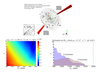
Hunting for Walking Technicolor at the LHC
Alexander Belyaev (Investigator), Azaria Coupe
Now that the LHC experiment at CERN has observed the Higgs boson, the final piece of the particle physics theory called the Standard Model, the focus of theoretical and experimental physicists shifts to what could possibly be discovered next. Phenomenologists, such as myself, straddle this line between theory and experiment, comparing the many theories of physics Beyond the Standard Model to whatever the LHC discovers, even drawing conclusions from what it doesn’t discover. I focus on a theory called Walking Technicolor (WTC), what the LHC would see if it were correct, and what the lack of discovery so far means for the fate of WTC.
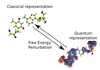
Hybrid quantum and classical free energy methods in computational drug optimisation
Jonathan Essex, Chris-Kriton Skylaris (Investigators), Christopher Cave-Ayland
This work is based around the application of thermodynamics and quantum mechanics to the field of computational drug design and optimisation. Through the application of these theories the calculation of the physical properties of drug-like molecules is possible and hence some predictive power for their pharmaceutical activity in vivo can be obtained.
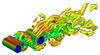
Hybrid RANS/LES methods
Richard Sandberg (Investigator), Markus Weinmann
Novel hybrid RANS/LES methods are developed for more accurate and efficient simulation of flow over complex geometries.
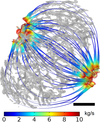
Image Based Modelling of Fluid Flow through Lymph Nodes
Tiina Roose, Bharathram Ganapathisubramani, Geraldine Clough (Investigators), Laura Cooper
In this project we are using images of mouse lymph nodes to investigate the fluid transport pathways through it. The images of the nodes are taken using selective plane illumination microscopy, and synchrotron micro computed tomography. The fluid flow is modelled using Darcy's law in COMSOL Multiphysics and the models are run on the Iridis cluster.
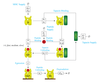
Immunotherapy Research: Modelling MHC Class I Complex Assembly
Timothy Elliott, Jorn Werner (Investigators), Alistair Bailey
This project uses mathematical modelling and simulation to investigate mechanisms by which our cells process and present biological information that is used by our immune system to distinguish between healthy and diseased cells.
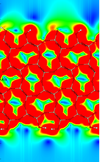
Investigation into the Interfacial Physics of Field Effect Biosensors
Nicolas Green, Chris-Kriton Skylaris (Investigators), Benjamin Lowe
This interdisciplinary research aims to improve understanding of Field Effect Transistor Biosensors (Bio-FETs) and to work towards a multiscale model which can be used to better understand and predict device response.
Investigations of Lymphatic Fluid Flow
Tiina Roose, Bharathram Ganapathisubramani, Geraldine Clough (Investigators), Laura Cooper
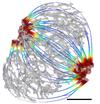
The lymphatic system performs three main roles returns interstitial fluid back into the blood stream to maintain tissue fluid homeostasis. The aim of this project is to increase our understanding of how the lymph flows through the system by creating three dimensional fluid structure interaction models of the secondary lymphatic valves and image based models of lymph nodes.
Is fine-scale turbulence universal?
Richard Sandberg (Investigator), Patrick Bechlars
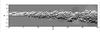
Complementary numerical simulations and experiments of various canonical flows will try to answer the question whether fine-scale turbulence is universal.
It takes all sorts: the mathematics of people’s behaviour in financial markets
Valerio Restocchi (Investigator), Frank McGroarty, Enrico Gerding
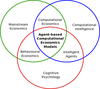
Agent-based models provide a deeper understanding of financial markets than classic models. We model people's behaviour and use agent-based simulations to study financial markets. By analysing the emerging complex dynamics, we achieve a deeper understanding of market participants' behaviours, which are necessary for a deeper comprehension of financial markets themselves.
Jet noise
Richard Sandberg (Investigator), Neil Sandham
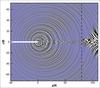
Direct numerical simulations are used to investigate jet noise.

Kaon to two pion decays in lattice QCD
Jonathan Flynn (Investigator), Elaine Goode, Dirk Broemmel
We calculate kaon decay amplitudes on the lattice so we may compare the Standard Model to experiment.
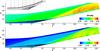
Laminar to Turbulent Transition in Hypersonic Flows
Neil Sandham, Heinrich Luedeke
Understanding of laminar to turbulent transition in hypersonic boundary-layer flows is crucial for re-entry vehicle design and optimization. The boundary-layer state directly affects the temperatures on the vehicle surface and its viscous drag. Therefore transition has to be considered to correctly compensate for drag and to properly design the thermal protection system.
For the proposed study, in order to obtain a clear understanding of the transition process, the configuration is kept as simple as possible by varying only a minimum number of parameters affecting transition on a simple test geometry such as a swept ramp at different sweep angles. To investigate the influence of such sweep angles on the transition process in the hypersonic regime, Direct Numerical Simulations (DNS) of the turbulent flow field are carried out on the Iridis cluster.
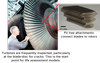
Life assessment methods for industrial steam turbine blade to disc interfaces
Katherine Soady (Investigator)
This is an EngD project sponsored by E.ON New Build and Technology Ltd. which aims to develop the methods currently implemented in life assessment of industrial steam turbine blade to disc interfaces to take account of the surface treatment process (shot peening) which is applied to component before service and after repair.
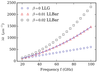
Magnetic dynamics under the Landau-Lifshitz-Baryakhtar equation
Hans Fangohr (Investigator), Weiwei Wang
Magnetic dynamics using the Landau-Lifshitz-Baryakhtar (LLBar) equation that the nonlocal damping is included as well as the scalar Gilbert damping.
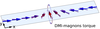
Magnon-Driven Domain-Wall Dynamics in the presence of Dzyaloshinskii-Moriya Interaction
Hans Fangohr (Investigator), Weiwei Wang
The domain wall motion induced by spin waves (magnons) in the presence of Dzyaloshinskii-Moriya Interaction is studied in this project.
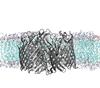
Membrane-Protein Interactions: The Outer Membrane of Gram-Negative Bacteria
Syma Khalid (Investigator), Pin-Chia Hsu
The aim of the project is to looking for the interaction sites, which may responsible for turning on/off activity in outer membrane protein with gram-negative bacteria membrane using molecular dynamic (MD) approach.
Modelling Macro-Nutrient Release & Fate Resulting from Sediment Resuspension in Shelf Seas
Chris Wood
This study involves adapting a previously-published model to take into account the effect resuspension events (both natural and anthropogenic) may have on nutrient dynamics at the sediment-water interface, and hence produce better estimates for the total nutrient budgets for shelf seas.
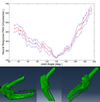
Modelling neuronal activity at the knee joint
Mark Taylor, Tiina Roose (Investigators), Gwen Palmer
The function of the knee joint is reliant on proprioception, which involves the response of nerve endings in the tissues at the joint. This project will be concentrating on the neuronal activity, caused by mechanical stimuli, of the more common receptors found at the knee (Ruffini, Paciniform, Golgi and Nociceptor).
There are three stages to this project:
1. Modelling the behaviour of each individual receptor, with the use of the Hodgkin-Huxley model [1].
2. These models will then be applied to the soft tissues around a knee, where a global deformation of the tissue will result in local stimulation of receptors.
3. The soft tissue models will then be applied to structures in the knee.
[1] - Hodgkin, A.L. and A.F. Huxley, A quantitative description of membrane current and its application to conduction and excitation in nerve. Journal of Physiology, 1952. 117: p. 500-544.
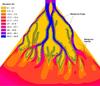
Modelling the morphodynamic evolution of the Ganges-Brahmaputra-Meghna (GBM) Delta over centennial time scales
Stephen Darby (Investigator), Balaji Angamuthu
Around 0.5 Billion people live in deltaic environments where they are threatened by flooding and land loss frequently. Yet, our understanding of the threats posed by land dynamic process remains limited. In this work, we try to address this issue through a land dynamic simulation of the largest and most populated of all the deltas, the GBM Delta, using the CFD software Delft3D for a range of climate change and management scenarios. The results provide new insight into the factors controlling past morphodynamics that, in turn, are helpful when assessing the possible trajectories of future evolution.
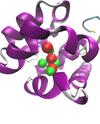
Molecular Fragments in Inhibitor Design
Jonathan Essex (Investigator), Michael Bodnarchuk
Fragment-Based Drug Discovery (FBDD) has emerged as an important tool in the drug discovery process. Instead of screening entire drug molecules, FBDD screens molecular fragments; constituents which make up drug molecules. A computational approach to identifying fragment binding is currently being sought which also yield binding free energy estimation.
Multi-scale simulations of bacterial outer-membrane proteins
Syma Khalid (Investigator), Jamie Parkin
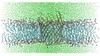
Using Iridis to run multiple simulations, I aim to simulate the outer membrane proteins of Pseudomonas aeruginosa, using X-ray crystal structures of proteins only recently resolved by Bert van den Berg, University of Massachusetts. By modelling the proteins in a realistic P. aeruginosa outer membrane, I aim to gain insight into the binding of these proteins to specific substrates and their function.
Multiscale modelling of biological membranes
Jonathan Essex (Investigator), Mario Orsi
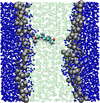
Biological membranes are complex and fascinating systems, characterised by proteins floating in a sea of lipids. Biomembranes, besides being the fundamental structures employed by nature to encapsulate cells, play crucial roles in many phenomena indispensable for life, such as growth, energy storage, and in general information transduction via neural activity. In this project, we develop and apply multiscale computational models to simulate biological membranes and obtain molecular-level insights into fundamental structures and phenomena.
Multiscale Modelling of Cellular Calcium Signalling
Hans Fangohr, Jonathan Essex (Investigators), Dan Mason
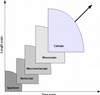
Calcium ions play a vitally important role in signal transduction and are key to many cellular processes including muscle contraction and cell apoptosis (cell death). This importance has made calcium an active area in biomedical science and mathematical modelling.
Multiscale modelling of neutron star oceans
Ian Hawke (Investigator), Alice Harpole
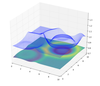
Type I X-ray bursts are explosions which occur on the surface of some
neutron stars. It is believed that the burning begins in a localised spot in the ocean of the
star before spreading across the entire surface. By gaining a better understanding of X-ray
bursts, it is hoped that tighter limits can be determined for other neutron star properties
such as the radius and magnetic field strength.

MXL Project
Mark Taylor, Junfen Shi (Investigators)
‘MXL’ is short for “Enhanced patient safety by computational Modelling from clinically available X-rays to minimise the risk of overload and instability for optimised function and Longevity”. This is an international EU-funded project which the Bioengineering Sciences Research Group at Southampton is involved in. For more information, visit http://www.m-x-l.eu
Nmag - computational micromagnetics
Hans Fangohr, Thomas Fischbacher (Investigators), Matteo Franchin, Andreas Knittel, Maximilian Albert, Dmitri Chernyshenko, Massoud Najafi, Richard Boardman
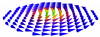
Nmag is a micromagnetic simulation package based on the general purpose multi-physics library nsim. It is developed by the group of Hans Fangohr and Thomas Fischbacher in the School of Engineering Sciences at the University of Southampton and released under the GNU GPL.
Non-Perturbative Renormalisation on the Lattice
Jonathan Flynn (Investigator), Dirk Broemmel, Thomas Rae
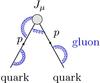
In this project we compute renormalisation factors for various physical observables in a non-perturbative lattice framework. Renormalisation hereby arises due to a fundamental scale dependence of the physical processes.
OMSys Towards a system model of a bacterial outer membrane
Syma Khalid (Investigator)
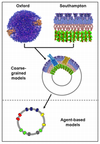
Many bacteria have an outer membrane which is the interface between the cell and its environment. The components of this membrane are well studied at an individual level, but there is a need to model and understand the outer membrane as a whole. In this project we aim to develop such a model of a bacterial outer membrane, linking computer simulations of the component molecules through to a more "systems biology" approach to modelling the outer membrane as a whole. Such an approach to modelling an OM must be multi-scale i.e. it must embrace a number of levels ranging from atomistic level modelling of e.g. the component proteins through to higher level "agent-based" modelling of the interplay of multiple components within the outer membrane as a whole. The different levels of description will be integrated to enable predictive modelling in order to explore the roles of outer membrane changes in e.g. antibiotic resistance.

OpenDreamKit
Hans Fangohr (Investigator), Marijan Beg
OpenDreamKit is a [Horizon 2020](https://ec.europa.eu/programmes/horizon2020/) European Research Infrastructure project (#676541) providing substantial funding to the open-source computational mathematics ecosystem, and in particular popular tools such as LinBox, MPIR, SageMath, GAP, Pari/GP, LMFDB, Singular, MathHub, and the IPython/Jupyter interactive computing environment.
Origins of Evolvability
Richard Watson, Markus Brede (Investigators), William Hurndall
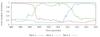
This project examined the putative evolvability of a Lipid World model of fissioning micelles. It was demonstrated that the model lacked evlovability due to poor heritability. Explicit structure for micelles was introduced along with a spatially localised form of catalysis which increased the strength of selection as coupling between potential chemical units of heredity were reduced.
Population24/7: space-time specific population surface modelling
Samantha Cockings, David Martin, Samuel Leung (Investigators)
Project funded by Economic and Social Research Council to compute time-specific geographical representations of population distribution.
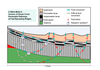
Porous Media and Hydrothermal Circulation in Weakened Ocean Crust
Formation of oceanic crust is an interplay between magma and the cooling hydrothermal system above that its own heat drives. To understand this system we must understand where and how water circulates through the crust.
Ocean crust is riddled with faults and other permeable pathways along which water preferentially flows. We seek to use basic numerical models of circulation in porous media to understand how much of an influence on crust formation these anomalous features have, compared to the bulk, unfractured crust.
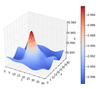
Precision study of critical slowing down in lattice simulations of the CP^{N-1} model
Jonathan Flynn, Andreas Juttner (Investigators), Andrew Lawson
This project involves the study of critical slowing down (CSD): a property that may arise when taking measurements in Monte Carlo simulations. In order to study and quantify this phenomenon we have performed extensive simulations of the CP^{N-1} model. By studying the properties of the Monte Carlo algorithms in this model, we hope to make algorithmic improvements that can then be employed in simulations of physical quantum field theories, such as in lattice quantum chromodynamics (lattice QCD).

Predicting Available Energy in Energy Harvesting Wireless Sensor Networks
Geoff Merrett (Investigator), Davide Zilli
Is it possible to predict how much energy a sun-light or wind powered wireless sensor node can harvest and tune its sensing pattern accordingly?
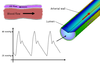
Preventing Alzheimer's Disease: A Multiphysics Simulation Approach
Neil Bressloff, Giles Richardson, Roxana-Octavia Carare (Investigators), Alexandra Diem
Experimental research has identified the causes of many diseases, such as Alzheimer's Disease. However, finding an effective treatment is very cost- and time-intensive and sacrifices many animals and does not guarantee success. In this PhD project, we investigate the driving force of solute drainage in the brain using multiphysics simulations in order to identify possible ways of preventing dementia.
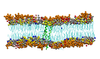
Probing the oligomeric state and interaction surface of Fukutin Transmembrane Domain in lipid bilayer via Molecular Dynamics simulations
Syma Khalid, Philip Williamson (Investigators), Daniel Holdbrook, Jamie Parkin, Nils Berglund, Yuk Leung
Fukutin Transmembrane Domain (FK1TMD) is localised to the endoplasmic reticulum or Golgi Apparatus within the cell where it is believed to function as a glycosyltransferase. Its localisation within the cell is thought to be mediated by the interaction of its N-terminal transmembrane domain with the lipid bilayers surrounding these compartments, each of which possess a distinctive lipid composition. Studies have revealed that the N-terminal transmembrane domain of FK1TMD exists as dimer within dilauroylphosphatidylcholine bilayers and this interaction is driven by interactions between a characteristic TXXSS motif. Furthermore residues close to the N-terminus that have previously been shown to play a key role in the clustering of lipids are shown to play a key role in anchoring the protein in the membrane.
Real-time CFD for helicopter flight simulation
Kenji Takeda (Investigator), James Kenny
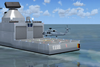
Project aims to show how real-time computational fluid dynamics (CFD) could be used to improve the realism of helicopter flight simulators.
Reversal of ferromagnetic nanotubes
Hans Fangohr (Investigator), David Cortes
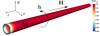
We are analysing the feasibility of reversing a nano scaled magnetic tube by applying weak pulses of currents through the nano-tube inner core

SAVE: Solent Achieving Value through Efficiency
Patrick James, Ben Anderson (Investigators), Luke Blunden
Analysis of 15 minute electricity consumption and 10 second instantaneous power data from 4,000+ households in the Solent region collected over 3 years of a randomised control trial study.
Scalability of Energy Efficient Routing Algorithms in Wireless Sensor Networks
Geoff Merrett (Investigator), Davide Zilli
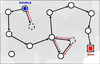
This project compares two broad classes of routing algorithms for Wireless Sensor Networks, message flooding and single path, by means of a simulation model. In particular, we want to understand how the two scale in terms of energy efficiency on large networks of sensors.
Self-Force and Black Hole Inspirals
Sam Dolan (Investigator)
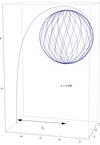
We use IRIDIS to compute the self-force acting on a solar-mass black hole orbiting a supermassive black hole.
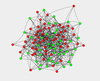
Separation of timescales in models of complex networks
Seth Bullock (Investigator), Elisabeth zu-Erbach-Schoenberg, Connor McCabe
In many real-world systems several processes act on the system state. The way these processes interact can have implications for the resulting system state. We investigate how separation of the timescales of two processes influences the system's equilibrium state.
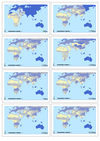
Simulating Human Expansion in the Early Pleistocene
Seth Bullock, Fraser Sturt (Investigators), Iza Romanowska
Using Agent-based modelling to investigate the first human dispersal almost 2 million years ago.
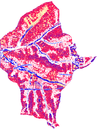
Simulating Hydro-geomorphic Changes in European Climate Hotspots
John Dearing (Investigator), Ying Wang
This project will simulate the behaviour of hydro-geomorphological processes in a fluvial system over decadal timescales is an important basis for research on catchment environmental management, especially with regards climate changes and human impacts on fluvial system.

Simulating Sleeping Sickness: a two-host agent-based model
Jason Noble, Peter Atkinson (Investigators), Simon Alderton
Sleeping sickness is a vector-borne, parastic disease which affects millions of people across 36 sub-Saharan African countries. Using agent-based models, we aim to gain a greater understanding of the interactions between the tsetse fly vector and both animal and human hosts.
Building an accurate representation will allow the testing of local interventation scenarios including the closing of watering holes, and the selective spraying of cattle with insecticides.
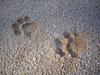
Simulation modelling of habitat permeability for mammalian wildlife
Patrick Doncaster, Jason Noble (Investigators), Angela Watkins
Using and integrating least-cost models and agent-based simulations to explore the way in which mammals interact with, and hence move, through fragmented landscapes.
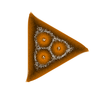
Simulations of Magnetic Skyrmions
Hans Fangohr (Investigator), Ryan Pepper
The manipulation of magnetic skyrmions could prove to be a useful technique for storing data on an unprecedented density scale. In this project we seek to better understand their properties and ways to control them.
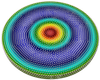
Skyrmionic states in confined nanostructures
Hans Fangohr (Investigator), Marijan Beg
An ever increasing need for data storage creates great challenges for the development of high-capacity storage devices that are cheap, fast, reliable, and robust. Because of the fundamental constraints of today's technologies, further progress requires radically different approaches. Magnetic skyrmions are very promising candidates for the development of future low-power, high-capacity, non-volatile data storage devices.

Spatial Mobility in the Formation of Agent-Based Economic Networks
Antonella Ianni, Seth Bullock (Investigators), Camillia Zedan
An investigation into the effect of spatial mobility on endogenous economic network formation.
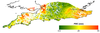
Spatial variability of the atmosphere in southern England
Joanna Nield, Jason Noble, Edward Milton (Investigators), Robin Wilson
No-one really knows how variable key atmospheric parameters such as Aerosol Optical Thickness and Water Vapour content are over relatively small areas. This study aims to find out!
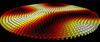
Stability of chiral structures in magnetic nanodisks
Hans Fangohr, Weiwei Wang (Investigators), David Cortes
This project is aimed to study the stability of skyrmionic and helical equilibrium states in magnetic nanodisks, using computational simulations.
Statistical model of the knee
Mark Taylor (Investigator), Francis Galloway, Prasanth Nair
Development of methods for large scale computational testing of a tibial tray incorporating inter-patient variability.

Study of global instability in separated flows at high Mach number
Neil Sandham, Zhiwei Hu (Investigators), Kangping Zhang
Flow instability is observed when extending two-dimensional (2D) stable flow into three-dimensional (3D). Development of instability varies along different spanwise length. Thresholds are also discovered for the flow studied to become instable.
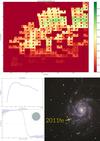
Supernova Rates in the Local Universe
Mark Sullivan (Investigator), Christopher Frohmaier
This project will calculate the frequency of exploding stars -- or supernovae -- in the nearby universe. We simulate a 'toy universe' by exploding billions of stars in a computer, and then artificially 'observing' these explosions by replicating a real astronomical sky survey, the Palomar Transient Factory (PTF). The results of this simulation allows us to discover the rate at which supernovae occur in the local universe each year.
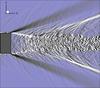
Supersonic axisymmetric wakes
Richard Sandberg (Investigator)
Direct numerical simulations are used to shed more light on structure formation and evolution in supersonic wakes.
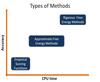
The application and critical assessment of protein-ligand binding affinities
Jonathan Essex (Investigator), Ioannis Haldoupis
A method that can accurately predict the binding affinity of small molecules to a protein target would be imperative to pharmaceutical development due to the time and resources that could be saved. A head-to-head comparison of such methodology, ranging from approximate methods to more rigorous methods, is performed in order to assess their accuracy and utility across a range of targets.
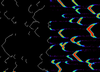
The application of automated pattern metrics to surface moisture influences on modelled dune field development
Robin Wilson, Joanna Nield (Investigators)
Areas of sand dunes (known as dunefields) develop complex patterns over time. These are influenced by both the past and present environmental conditions, including surface moisture, vegetation distribution and human impact. This project develops a method of automated pattern analysis which allow the patterns produced by a large number of sand dune evolution simulations (performed using the DECAL model) to be quantified over time.
The effect of roughness upon turbulent supersonic flows
Neil Sandham (Investigator), Christopher Tyson
Understanding the interaction between surface roughness and supersonic air flows are crucial in the design of high speed vehicles, including space re-entry vehicles. Numerical simulations of these flows has been conducted in order to examine and understand how the surface roughness interacts with high speed flows in terms of drag prediction and heat transfer to the wall surface.
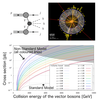
The Higgs Boson at Future Colliders - an Explorative Journey Beyond the Standard Model
Alexander Belyaev (Investigator), Patrick Schaefers
It has been three years since the discovery of a Higgs boson at the CERN LHC and many new insights in Higgs physics were gathered since then. However, its true nature remains unknown to this day. This project aims at exploring the Higgs properties at Future High Energy Colliders beyond the Standard Model to help unveiling its secret.
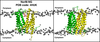
THE NORM MATE TRANSPORTER FROM N. GONORRHEAE: INSIGHTS INTO DRUG & ION BINDING FROM ATOMISTIC MOLECULAR DYNAMICS SIMULATIONS
Syma Khalid (Investigator), Daniel Holdbrook, Thomas Piggot, Yuk Leung
The multidrug and toxic compound extrusion (MATE) transporters extrude a wide variety of substrates out of both mammalian and bacterial cells via the electrochemical gradient of protons and cations across the membrane. Multiple atomistic simulation are performed on a MATE transporter, NorM from Neisseria gonorrheae (NorM_NG) and NorM from Vibrio cholera (NorM_VC). These simulations have allowed us to identify the nature of the drug-protein/ion-protein interactions, and secondly determine how these interactions contribute to the conformational rearrangements of the protein.

Towards biologically-inspired active-compliant-wing micro-air-vehicles
Richard Sandberg (Investigator), Sonia Serrano-Galiano
Despite a good knowledge of the physiology of bats and birds, engineering applications with active dynamic wing compliance capability are currently few and far between. Recent advances in development of electroactive materials together with high-fidelity numerical/experimental methods provide a foundation to develop biologically-inspired dynamically-active wings that can achieve "on-demand" aerodynamic performance. However this requires first to develop a thorough understanding of the dynamic coupling between the electro-mechanical structure of the membrane wing and its unsteady aerodynamics. In this collaborative initiative between the University of Southampton and Imperial College London, we are developing an integrated research programme that carries out high-fidelity experiments and computations to achieve a fundamental understanding of the dynamics of aero-electro-mechanical coupling in dynamically-actuated compliant wings. The goal is to utilise our understanding and devise control strategies that use integral actuation schemes to improve aerodynamic performance of membrane wings. The long-term goal of this project is to enable the use of soft robotics technology to build integrally-actuated wings for Micro Air Vehicles (MAV) that mimic the dynamic shape control capabilities of natural flyers.
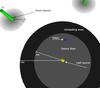
Towards design patterns for robot swarms
Richard Crowder, Seth Bullock (Investigators), Lenka Pitonakova
Swarm robotics is an inter-disciplinary field that seeks to design the behaviour of robots that can cooperate effectively on tasks like search and retrieval, reconnaissance, construction, etc. In this project, we are aiming towards a theoretical understanding of swarm intelligence and the development of design patterns for effective robot swarms.

Transition to turbulence in high-speed boundary layers
Neil Sandham (Investigator), Nicola De Tullio
This work is focused on the numerical simulation of hypersonic transition to turbulence in boundary layers. We use direct numerical simulations of the Navier-Stokes equations to analyse the effects of different flow conditions and external disturbances on the transition process. The main objective is to gain insight into the different aspects of transition to turbulence at high speeds, which can lead to the design of new transition models and transition control techniques for high-speed flows.

Traveling and movement during European Late Prehistory
Patricia Murrieta Flores
This project has as main purpose to investigate through spatial analysis and computational modelling the variables and factors that influenced how humans traveled during prehistoric times.
One of the principal objectives will be to clarify the role that certain landscape elements (i.e megalithic monuments) played in terrestrial navigation and territorial definition.
This project is supported by CONACYT (Mexico) as a doctoral research by Patricia Murrieta-Flores under the supervision of Dr. David Wheatley (University of Southampton) and Dr. Leonardo Garcia Sanjuan (University of Seville, Spain). It also counts with the collaboration of Dr. Dimitrij Mlekuz (Gent University, Belgium).
Unsteady Aerodynamics of Wings in Extreme Conditions
Charles Badoe (Investigator), Neil Sandham, Zheng-Tong Xie
Sizing of civil aircraft is dictated by extreme loads experienced at the limits of flight envelope, for example during gust, turbulence or low speed manoeuvre. The project aims to understand the unsteady aerodynamic behaviour of wings in extreme conditions involving heaving motions near stall.
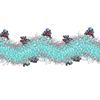
Using Molecular Dynamics to Understand the Antibacterial Mechanisms of Daptomycin & Chlorhexidine to Target the Bacterial Membrane
This project aims to use molecular dynamics techniques to understand how antimicrobial peptides, daptomycin and chlorhexidine, disrupt both gram positive and negative cell membranes on an atomic level.
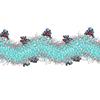
Using Molecular Dynamics to Understand the Antibacterial Mechanisms of Daptomycin & Chlorhexidine to Target the Bacterial Membrane
This project aims to use molecular dynamics techniques to understand how antimicrobial peptides, daptomycin and chlorhexidine, disrupt both gram positive and negative cell membranes on an atomic level.
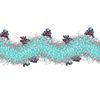
Using Molecular Dynamics to Understand the Antibacterial Mechanisms of Daptomycin & Chlorhexidine to Target the Bacterial Membrane
Syma Khalid (Investigator), Eilish McBurnie
This project aims to use molecular dynamics techniques to understand how antimicrobial peptides, daptomycin and chlorhexidine, disrupt both gram positive and negative cell membranes on an atomic level.

Validation of GPS-derived water vapour estimates
Joanna Nield, Jason Noble, Edward Milton (Investigators), Robin Wilson
Measurements from GPS base stations can be processed to provide estimates of the water vapour content in the atmosphere. These are lots of these base stations across the world and they take measurements very frequently, making them perfect data sources for scientific use. However, we need to understand their accuracy - and this project aims to do this.

Vertical turbulence structures in the benthic boundary layer as related to suspended sediments
Hachem Kassem (Investigator), Charlie Thompson
There is a genuine need for better, more robust modelling of suspended sediment transport in the coastal zone, both to understand its morphological evolution and it's impact on biogeochemical cycling, ecosystems services and to guide engineering applications such as dredging and defence schemes against erosion and flooding.
The suspension of sediment in turbulent flows is a complex case of fluid-particle interaction, governed by shear stresses (momentum exchanges) at the bed and within the benthic boundary layer (BBL). The intermittent transfer of momentum is a manifestation of coherent turbulent vortex structures within the flow. The passage of such structures (or clusters of) is often related to perturbations of bottom sediment, which may be entrained and maintained in suspension if sufficient turbulent energy is provided. The first part of my PhD investigated the temporal and scale relationships between wave–generated boundary layer turbulence and event–driven sediment transport in oscillatory flow in the nearshore. This involved complex statistical, spectral, quadrant and wavelet analysis of high frequency nearshore measurements of turbulence and suspended sediments (medium sand), collected as part of the EU-funded Barrier Dynamics Experiment II (BARDEX II). The following step aims to develop a 3D numerical model in OpenFOAM which would reproduce the fine scale turbulence structures observed over a fixed rippled bed in oscillatory flow. The 3D velocity field, turbulent components, correlations (stresses) and quadrant structures will then be linked to observed sediment resuspension events. The model will be validated against a set of laboratory experiments undertaken at the Fast Flow Facility at HR Wallingford.
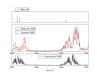
Vibrational spectroscopy from ab initio molecular dynamics
Hans Fangohr, Chris-Kriton Skylaris (Investigators), Valerio Vitale
In this project I used the Fourier transform of the time correlation function (FTTCF) formalism, that allows to compute the vibrational spectra of molecules both in gas and condensed phase, at finite temperature, in a single ab initio molecular dynamics simulation.
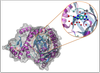
Water molecules in drug development: can we predict drug affinity when water molecules are involved?
Jonathan Essex (Investigator), Hannah Bruce Macdonald, Christopher Cave-Ayland
Water molecules are often found to be involved in drug-protein binding and can influence the effectiveness of a drug. We aim to aid drug design by calculating the energies involved with complexes of drugs, proteins and water molecules to predict the affinities of drug molecules.
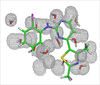
Water Molecules in Protein Binding Sites
Jonathan Essex (Investigator), Michael Bodnarchuk
Water molecules are commonplace in protein binding sites, although the true location of them can often be hard to predict from crystallographic methods. We are developing tools which enable the location and affinity of water molecules to be found.
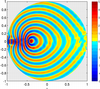
Wave-based discontinuous Galerkin methods
Gwenael Gabard (Investigator), Greg Kennedy
Wave-based computational methods are developed to model sound propagation in moving inhomogeneous media.
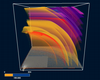
Whisky Code
Ian Hawke (Investigator)
A 3D finite volume code for simulating compact relativistic hydrodynamics.
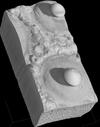
µ-VIS Computed Tomography Centre
Ian Sinclair, Richard Boardman, Dmitry Grinev, Philipp Thurner, Simon Cox, Jeremy Frey, Mark Spearing, Kenji Takeda (Investigators)
A dedicated centre for computed tomography (CT) at Southampton, providing complete support for 3D imaging science, serving Engineering, Biomedical, Environmental and Archaeological Sciences. The centre encompasses five complementary scanning systems supporting resolutions down to 200nm and imaging volumes in excess of one metre: from a matchstick to a tree trunk, from an ant's wing to a gas turbine blade.