Institute for Complex Systems Simulations (ICSS)
University of Southampton

- Web page
- http://www.icss.soton.ac.uk/
The Institute for Complex Systems Simulations (ICSS) brings together Complexity Science, Simulation Modelling and application oriented modelling in an interdisciplinary fashion.
The Institute is lead by its directors Seth Bullock, Jonathan Essex and Hans Fangohr.
Selected research activities carried out by the Institute's staff members can be found here and below.
Head of group

Selected members with computational interest


Selected computational projects

A Fortran Based Mesh Viewer
Gabriel Amine-Eddine
During my final year as an undergraduate, I developed a fully functional software program for visualising geometries, grids and grid quality metrics, for and in-house CFD software tool (HARTREE CFD).

A habitat suitability model for predicting coral reef distributions in the Galápagos Islands
Terence Dawson (Investigator)
As part of a wider project developing a conservation strategy for the marine environment of the Galapagos Islands, this research used multi-variate modelling techniques to develop a habitat suitability prediction model for coral reefs.
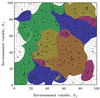
A novel approach to analysing fixed points in complex systems
James Dyke (Investigator), Iain Weaver
This work aims to contribute to our understanding of the relationship between complexity and stability. By describing an abstract coupled life-environment model, we are able to employ novel analytical, and computational techniques to shed light on the properties of such a system.

A novel method for monitoring air pollution from satellites at very high resolution
Joanna Nield, Jason Noble, Edward Milton (Investigators), Robin Wilson
Developing methods to monitor the clarity of the atmosphere from satellites at 100,000 times the resolution of previous methods. This can then be used to monitor air pollution, correct satellite images and provide data for climate studies. Simulation is used to model the effects of atmospheric pollution on light passing through the atmosphere, and to test the method under 'synthetic atmospheres'.
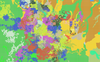
A spatially-explicit agent-based model of jaguar population dynamics
Jason Noble, Patrick Doncaster (Investigators), Angela Watkins
A single species spatially-explicit agent-based model has been developed that illustrates the role of simulation modelling, integrated with an adapted least-cost modelling approach and real-world geographical data, in exploring jaguar population dynamics.
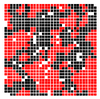
Adding social ties to the Schelling model
Seth Bullock, Sally Brailsford (Investigators), Elisabeth zu-Erbach-Schoenberg
The Schelling model is an abstract model for segregation in
a spatially arranged population. We extended the traditional model by the addition of a dynamic social network. The social network influences the spatial dynamics of agents moving on the grid by changing the agents’ evaluation of their neighbourhood. In turn, the spatial arrangement influences the change of the social network.

Agent-Based Modelling of High Frequency Traders
Frank McGroarty, Enrico Gerding (Investigators), Alvaro Perez-Diaz
Agent-Based Modelling of High Frequency Traders
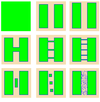
Agent-based simulations of jaguar movements through conservation corridors
Jason Noble, Patrick Doncaster (Investigators), Angela Watkins
We present an agent-based model of jaguars (Panthera onca),
scaled for fragmented habitat in Belize where proposals already exist for creating a jaguar corridor. We use a least cost approach to simulate movement paths through alternative possible landscapes.
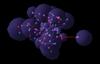
Amorphous Computation, Random Graphs and Complex Biological Networks
Seth Bullock (Investigator)
This interdisciplinary research collaboration arose within the Simple Models of Complex Networks research cluster funded by the EPSRC www.epsrca.ac.uk through the Novel Computation Initiative. Here, leading groups from the Universities of Leeds, Sheffield, Nottingham, Southampton, Royal Holloway and King’s College and industrial partners BT are brought together for the first time to develop novel amorphous computation methods based on the theory of random graphs.

An investigation in to the effects of information provision on driver learning
Ben Waterson, Hans Fangohr (Investigators), James Snowdon
This work aims to better understand and model the role of individual learning and experience on driver route choice. We intend to demonstrate that vehicle-driver agent based models stand alone in being able to capture the complex reciprocal interactions between drivers and their environment, and allow us to incorporate the effects of prior knowledge from previous trips and advice from official information sources and social networks.

An Investigation into the Cascade Effect of Mergers on the Global Financial Markets
Seth Bullock, Antonella Ianni (Investigators), Camillia Zedan
An investigation into the external effects that horizontal mergers have on the interconnected global markets.
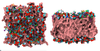
Antimicrobial Peptide and E. coli Membrane Interactions
Syma Khalid (Investigator), Thomas Piggot, Nils Berglund
Antimicrobial peptides (AMPs) are known to disrupt the membranes of bacterial cells such as E. coli. I work on investigating the nature of these interactions using molecular dynamics (MD) simulations.

Associative learning in ecosystems: Network level adaptation as an emergent propery of local selection
Richard Watson, James Dyke (Investigators), Daniel Power
Ecosystems may exhibit collective adaptive properties that arise from natural selection operating on their component species. These properties include the ability of the ecosystem to return to specific configurations of species, in a manner highly analogous to mechanisms of associative learning in neural networks.
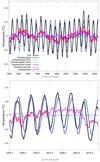
Atlantic ocean meridional heat transport at 26oN: Impact on subtropical ocean heat content variability
Robert Marsh (Investigator), Maike Sonnewald
Local climate is significantly affected by changes in the oceanic heat content on a range of timescales. This variability is driven by heat fluxes from both the atmosphere and the ocean. In the Atlantic the meridional overturning circulation is the main contributor to the oceanic meridional heat transport for latitudes south of about 50? N. The RAPID project has been successfully monitoring the Atlantic meridional overturning at 26? N since 2004. This study demonstrates how this data can be used to estimate the basin-wide ocean heat content in the upper 800 m between 26? N to 36? N. Traditionally the atmosphere is seen to dominate the ocean heat content variability. However, previous studies have looked at smaller areas in the Gulf Stream region, finding that the ocean dominates deseasoned fluctuations of ocean heat content, while studies of the whole North Atlantic region suggest that the atmosphere may be dominant. In our study we use a box-model to investigate fluctuations of the ocean heat content in the subtropical North Atlantic between 26? N and 36? N. The box-model approach is validated using 19 years of high resolution GCM data. We find that in both the GCM and RAPID based data the ocean heat transport dominates the deseasoned heat content variability, while the atmosphere’s impact on the heat content evolution stabilizes after 6 months. We demonstrate that the utility of the RAPID data goes beyond monitoring the overturning circulation at 26? N, and that it can be used to better understand the causes of ocean heat content variability in the North Atlantic. We illustrate this for a recent decrease in ocean heat content which was observed in the North Atlantic in 2009 and 2010. Our results suggest that most of this ocean heat content reduction can be explained by a reduction of the meridional ocean heat transport during this period.
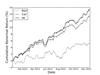
Automated Algorithmic Trading with Intelligent Execution
Frank McGroarty, Enrico Gerding (Investigators), Ash Booth
In this project, we introduce the first fully automated trading system for real-world stock trading that uses time-adaptive execution algorithm to minimise market impact while increasing profitability com- pared to benchmark strategies.

Automated selection of suitable atmospheric calibration sites for satellite imagery
Robin Wilson, Edward Milton (Investigators)
Ground calibration targets (GCTs) play a vital role in atmospheric correction of satellite sensor data in the optical region, but selecting suitable targets is a subjective and time- consuming task. This project is developing methods to automatically select suitable GCTs, using a combination of remotely sensed multispectral and topographic data.
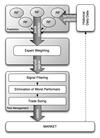
Automated Trading with Performance Weighted Random Forests and Seasonality
Frank McGroarty, Enrico Gerding (Investigators), Ash Booth
This project proposes an expert system that uses novel machine learning techniques to predict the price return over these seasonal events, and then uses these predictions to develop a profitable trading strategy.

B-meson coupling with relativistic heavy quarks
Jonathan Flynn (Investigator), Ben Samways, Dirk Broemmel, Patrick Fritzsch
We non-perturbatively compute the coupling between B* and B pi meson states relying on relativistic heavy quarks and domain wall light fermions. The coupling is of importance for an effective description of hadronic heavy meson decays.
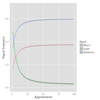
Bayesian Agents as Models for the Disclosure Behaviour of Pregnant Drinkers
Seth Bullock, Jakub Bijak (Investigators), Jonathan Gray
Examining the feasibility of signalling games, played by Bayesian decision theoretic agents as a model for the disclosure of drinking behaviour by pregnant women to their midwives.
Benchmarking methods of identifying intrinsically unstructured proteins for de novo prediction of Short Linear Motifs
Richard Edwards (Investigator), William Anderson
Benchmarking the GOPHER orthologue prediction algorithm.
Richard Edwards, Shaun Maguire
Generation of Orthologous Proteins from High-throughput Evolutionary Relationships (GOPHER) is an orthologue prediction algorithm. This experiment aims to benchmark this algorithm.
Bioclimatic Architecture
Seth Bullock (Investigator), Nicholas Hill
This was a review report on bioclimatic architecture and how such architecture may be designed by agent-based models inspired by the building behaviour of insects.
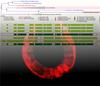
Bioinformatic identification and physiological analysis of ethanol-related genes in C. elegans
Richard Edwards, Vincent O'Connor, Lindy Holden-Dye (Investigators), Ben Ient
Investigating the broad molecular, cellular and systems level impacts of acute and chronic ethanol in the nematode, Caenorhabditis elegans, as a model.
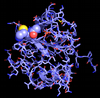
BioSimGrid
Jonathan Essex, Hans Fangohr (Investigators), Richard Boardman, Syma Khalid, Steven Johnston
The aim of the BioSimGrid project is to make the results of large-scale computer simulations of biomolecules more accessible to the biological community. Such simulations of the motions of proteins are a key component in understanding how the structure of a protein is related to its dynamic function.
Body Forces in Particle Suspensions in Turbulence
Gabriel Amine-Eddine (Investigator)
The behaviour of multiphase flows is of primary importance in many engineering applications. In the past, experimental observations have provided many researchers with the ability to understand and probe the phenomena and physical processes occurring in such flows. With advancements in modern day computational power, we now have the ability to gain an even greater wealth of knowledge, from what used to be a physical experiment, is now a virtual simulation.
Amine-Eddine, G.H. (2015) Body forces in particle suspensions in turbulence. University of Southampton, Faculty of Engineering and the Environment, Doctoral Thesis , 283pp.
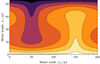
Can the principle of Maximum Entropy Production be used to predict the steady states of a Rayleigh-Bernard convective system?
Kevin Oliver, Iain Weaver, James Dyke (Investigators)
The principle of Maximum Entropy Production (MEP) has been successfully used to reproduce the steady states of a range of non-equilibrium systems. Here we investigate MEP and maximum heat flux extremum principles directly via the simulation of a Rayleigh-Bérnard convective system implemented as a lattice gas model.

Care Life Cycle
Seth Bullock, Sally Brailsford, Jason Noble, Jakub Bijak (Investigators), Elisabeth zu-Erbach-Schoenberg, Jason Hilton, Jonathan Gray
This research programme brings together teams of researchers from social sciences, management science and complexity science to develop a suite of models representing the socio-economic and demographic processes and organisations implicated in the UK’s health and social care provision. Integral to the project is working with our partners in the public sector and communicating the results of these models to policymakers allowing them to effectively plan for the future.
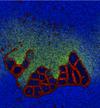
Cellular Automata Modelling of Membrane Formation and Protocell Evolution
Seth Bullock (Investigator), Stuart Bartlett
We simulated the meso-level behaviour of lipid-like particles in a range of chemical and physical environments. Self-organised protocellular structures can be shown to emerge spontaneously in systems with random, homogeneous initial conditions. Introducing an additional 'toxic' particle species and an associated set of synthesis reactions produced a new set of ecological behaviours compared to the original model of Ono and Ikegami.

Centre for Doctoral Training in Next Generation Computational Modelling
Hans Fangohr, Ian Hawke, Peter Horak (Investigators), Susanne Ufermann Fangohr, Thorsten Wittemeier, Kieran Selvon, Alvaro Perez-Diaz, David Lusher, Ashley Setter, Emanuele Zappia, Hossam Ragheb, Ryan Pepper, Stephen Gow, Jan Kamenik, Paul Chambers, Robert Entwistle, Rory Brown, Joshua Greenhalgh, James Harrison, Jonathon Waters, Ioannis Begleris, Craig Rafter
The £10million Centre for Doctoral Training was launched in November 2013 and is jointly funded by EPSRC, the University of Southampton, and its partners.
The NGCM brings together world-class simulation modelling research activities from across the University of Southampton and hosts a 4-year doctoral training programme that is the first of its kind in the UK.

Complex Systems Simulations Centre for Doctoral Training
Jonathan Essex, Seth Bullock, Hans Fangohr (Investigators)
The centre for doctoral training brings together students from a variety of backgrounds, ranging from mathematics, physics and chemistry to oceanography, geography, biology, computer science, and engineering. Students carry out a four-year programme combining taught courses with a PhD project.

Complexity in Modelling Electric Marine Propulsive Devices
Suleiman Sharkh, Neil Bressloff, Hans Fangohr (Investigators), Aleksander Dubas
This project involves the simulation of turbulent flow around a marine rim-driven thruster and the complex interaction of flow features involved through computational fluid dynamics. Following this, the optimisation of design parameters using computational fluid dynamics to calculate the objective function is performed and surrogate modelling utilised to estimate optimum design configuration.

Controlling Ant-Based Construction
Seth Bullock (Investigator), Lenka Pitonakova
This paper investigates dynamics of ant nest building and shows that algorithms capable of generating ant-like structures can also be used to create nests, shapes of which are imposed from outside of the system.

CRISIS – Complexity Research Initiative for Systemic InstabilitieS
Frank McGroarty (Investigator), Bob De Caux
A new approach to modelling and understanding financial system and macroeconomic risk and instability
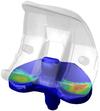
DePuy Technology Partnership
Mark Taylor (Investigator), Adam Briscoe
This initiative concerns the transfer of knowledge between three key institutions (University of Southampton, University of Leeds and University of Hamburg) and DePuy International limited. The project is concerned with the ongoing advancement of technology used in orthopaedic devices.
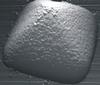
Designer 3D Magnetic Mesostructures
Hans Fangohr (Investigator), Matteo Franchin, Andreas Knittel
A new electrodeposition self-assembly method allows for the growth of well defined mesostructures. This project's aim is to use this method in order to fabricate supraconducting and ferromagnetic mesostructures. Numerical methods based on well-established models are used in order to characterise the grown structures.

Developing programming skills with Minecraft and Python
Hans Fangohr (Investigator), Alvaro Perez-Diaz
PythonTool is a Minecraft mod created for this project which allows interactive execution of Python scripts which interact with the game in real time. It intends to make teaching programming to children or non-expert users easier and more appealing.
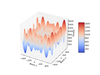
Differences between sexual genetic algorithms and a compositional cooperative co-evolutionary algorithm
Richard Watson (Investigator), Daniel Power
Different algorithms are representative of different genetic processes. This work explores how algorithms representing sexual recombination can solve certain problems that hill climbers cannot.

Directing magnetic skyrmion traffic flow with nanoscale patterning.
Hans Fangohr (Investigator), Mark Vousden
Skyrmions in magnetic nanostructures may lead to new data storage technologies. Appropriate simulation methodologies are developed and applied.
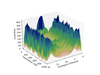
Do the adaptive dynamics of host-parasite systems catalyse or constrain sympatric speciation?
Richard Watson (Investigator), Daniel Power
Coevolutionary dynamics affect both parties evolutionary trajectories. When might these affect speciation? This project uses a simulation model to explore the issue.

Dual resolution simulations of lipid membrane systems
Jonathan Essex (Investigator), Kieran Selvon
This project aims to shed light on cell membrane mechanisms which are difficult to probe experimentally, in particular drug permiation across the cell membrane. If one had a full understanding of this mechanism, drugs could be designed to easily cross the membrane, or target particular embedded proteins to improve their efficacy. A reliable and robust computational method to asses a molecules permeability would be invaluable in the field of drug design, we seek to perfect such a method.
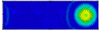
Dynamag: computational magnonics
Hans Fangohr, Atul Bhaskar (Investigators), Matteo Franchin, Andreas Knittel
Analytical treatment of long range magneto-dipole interactions is a bottle-neck of magnonics and more generally of the theory of spin waves in non-uniform media. This project develops a theoretical framework for analysis of magnonic phenomena in magnetic nano-structures, including isolated nano-elements, arrays of those, and extended magnonic crystals. The DYNAMAG project is funded by the EU FP7 and the DST of India.
Dynamics of interacting magnetic nanoparticles
Thomas Fischbacher (Investigator), Maximilian Albert
The project aims at extending the micromagnetic simulation framework 'nmag' developed at the University of Southampton to enable it to handle dynamic geometries. The extended framework will then be used to study systems such as interacting magnetic nanoparticles.
Dynamics of interacting magnetic nanostructures
Hans Fangohr (Investigator), Maximilian Albert
Individual ferromagnetic objects of dimensions of order of 100nm provide a wealth of complex phenomena, both in static and dynamic behaviour. This project focuses on the dynamics of interacting ferromagnetic nano structures.
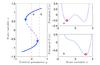
Early warning signals in climate data
Kevin Oliver, James Dyke (Investigators), Maike Sonnewald
Paleoclimatic records reveal that the Earth’s climate system has undergone sharp transitions between
states. Much work has recently been devoted to assessing how likely the current climate is to undergo such a sharp transition. This is motivated by the severe socioeconomic consequences such dramatic changes would entail. Thus, predicting iminent transitions would be very valuable. This review provides an overview of two promising techniques which could potentially be used to assess the stability of components of the climate system. These techniques are degenerate fingerprinting and detrended fluctuation analysis (DFA). It is found that degenerate fingerprinting is more widely used, but that DFA could be more suitable. DFA allows for memory in the time-series, and can give better results with less data. However, the DFA technique is best suited for systems close to the transitions, and relies on calibration with the degenerate fingerprinting technique further from the transition. Applying these techniques to forecast transitions is unfortunately impeded by lack of suitable data. Using data from several sources could overcome this. Thus, the techniques could be very valuable if the use of unevenly spaced data from several sources does
not lead to serious loss off accuracy. However, the techniques are still very useful when assessing underlying dynamics in model output and paleooceanographic time-series.

Evolving Resilience to Leverage Based Crashes
Frank McGroarty, Enrico Gerding (Investigators), Ash Booth
This project analyses the maturation, initiation and evolution of crashes in the financial markets using an agent-based model.
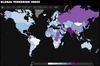
Excitable Boys: An Exploration of the Role of Social Groups in the Self-radicalisation Process Using Agent-based Modelling.
Jason Noble (Investigator), Lewys Brace
This work built upon the seminal work of Sageman (2008), and his hypothesis that the self-radicalisation phenomenon that we are currently witnessing across Europe and the United States stems from self-organising ‘bunches of guys’. More specifically, there was a focus on how individuals can influence one another through social links; and how this can lead to behaviour, similar to deindividuation, arising through their interactions. Complexity theory and agent-based modelling were used in order to explore the interactions that are believed to lie at the heart of this psycho-social phenomenon, and justification is given for this approach. The model presented demonstrated that social bonds can lead to a greater number of individuals ‘rebelling’ against the status quo.

Flow and sedimentation processes in submarine meandering channels
Stephen Darby (Investigator)
The overall aim of this project is to generate a step-change in our understanding of the interactions between flow,
morphology & sedimentology within an active submarine channel fed by saline density currents. This central aim will be addressed through a combination of field measurements and innovative numerical modelling of gravity current morphodynamics

Fluid Dynamics Optimisation of Rim-Drive Thrusters and Ducted Hydrokinetic Generators
Aleksander Dubas, Suleiman Sharkh (Investigators)
This is a Knowledge Transfer Partnership project is a collaboration between the University of Southampton and TSL Technology Ltd. to develop computational fluid dynamics software design tools for modelling and optimising the design of propeller thrusters and water turbine generators.
Fracturing of small social networks
Seth Bullock, Sally Brailsford (Investigators), Elisabeth zu-Erbach-Schoenberg
A connected social network is a very important factor for the success of groups and organisations. We investigate which factors make a group more resistant to the effects of disagreements which commonly happen in small social networks.
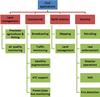
Generic Operational Simulation of Civil Unmanned Air Vehicle Operations
Hans Fangohr, James Scanlan (Investigators)
This project creates a generic operational simulation of Unmanned Air Vehicle Operations. UAVs can be valued for their mission-suitability and compared against various configurations.
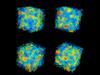
Hadronic structure on the computer
Jonathan Flynn (Investigator), Dirk Broemmel, Thomas Rae, Ben Samways
In experiments at the Large Hadron Collider (LHC) at CERN, Geneva, the interactions that occur between the colliding particles (protons in this case) can be factorised into a simple scattering between two constituent particles, called quarks, followed by a hadronisation process, which describes the dynamics of forming the bound proton states. Quarks are particles within the proton that bind to form composite particles (hadrons) such as a proton. The scattering process can be computed relatively easily, but hadronisation is intrinsically non-perturbative and hard to calculate. Lattice QCD (computer simulation of QCD on a discrete space-time lattice) provides our only known first-principles and systematically-improvable method to address problems like hadronisation. This project uses Iridis to extract parton distribution amplitudes which are experimentally inaccessible, but needed to describe the quark structure of hadrons.
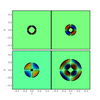
High-resolution shock-capturing (HRSC) methods for elastic matter in general relativity
Carsten Gundlach, Ian Hawke, Stephanie Erickson (Investigators)
We are designing HRSC methods for numerical simulation of elastic matter coupled to general relativity and later magnetic fields, with the ultimate aim of simulating old neutron stars, which have elastic crusts.
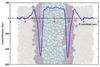
How far can we stretch the MARTINI?
Syma Khalid (Investigator), Ric Gillams
To date, coarse-grained lipid models have generally been parameterised to ensure the correct prediction of structural properties of membranes, such as the area per lipid and the bilayer thickness. The work described here explores the extent to which coarse-grained models are able to predict correctly bulk properties of lipids (phase behaviour) as well as the mechanical properties, such as lateral pressure profiles and stored elastic stress in bilayers. Such an evaluation is crucial for understanding the predictive capabilities of coarse-grained models.

How sensitive is ocean model utility to resolution?
Kevin Oliver (Investigator), Maike Sonnewald
One of the most intriguing problems in recent ocean modeling research is the impact of varying model resolution on model accuracy. Increasing model resolution one includes more of the important processes. However, the increase in accuracy with resolution is unlikely to be linear. Thus, as computational cost increases with resolution, a critical assessment of achieved benefits is prudent. Here we analyse a suite of realistic and compatible global ocean model runs from coarse (1o, ORCA1), eddy-permitting (1/4o, ORCA025) and eddy resolving (1/12o, ORCA12) resolutions. Comparisons of steric height variability (varSH) highlight changes in ocean density structure, revealing impacts on mechanisms such as downwelling and eddy energy dissipation. We assess vertical variability using the covariace of the deep and shallow varSH. Together with assessing isopycnal movements, we demonstrate the influence of deep baroclinic modes and regions where the barotropic flow sheds eddies. Significant changes in the deepwater formation and dispersion both in the Arctic and Antarctic are found between resolutions. The varSH increased from ORCA1 to ORCA025 and ORCA12, particularily in the Southern Ocean and Western Boundary Currents. However, there is no significant covariance between the surface and deep in ORCA1, while ORCA025 and ORCA12 show significant covariance, implying an important missing energy pathway in ORCA1. Comparing ORCA025 and ORCA12 we see significant differences in eddy energy dissipation. We assess the impact of varying model resolution on the mean flow, discussing implications to dissipation pathways on model accuracy, with reference to stochastic parameterisation schemes.
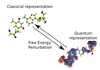
Hybrid quantum and classical free energy methods in computational drug optimisation
Jonathan Essex, Chris-Kriton Skylaris (Investigators), Christopher Cave-Ayland
This work is based around the application of thermodynamics and quantum mechanics to the field of computational drug design and optimisation. Through the application of these theories the calculation of the physical properties of drug-like molecules is possible and hence some predictive power for their pharmaceutical activity in vivo can be obtained.
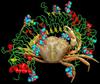
Identification of novel Crustacean Pathogen Receptor Proteins
Richard Edwards, Chris Hauton, Timothy Elliott (Investigators), Oyindamola Lawal, Lloyd Mushambadzi
We are mining EST libraries (sequence fragments of expressed genes) for novel proteins that might play a role in the immune response of crustaceans.
Identification of phage DNA, common insertion sites and their effect on genes within S.pneumoniae
Richard Edwards, Amy Dean
This study seeks to find if there are any common insertion sites across different strains of S.pneumoniae and discover genes that undergo frequent mutation due to phages and if these mutations can be linked to virulence of the strains.
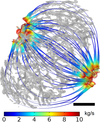
Image Based Modelling of Fluid Flow through Lymph Nodes
Tiina Roose, Bharathram Ganapathisubramani, Geraldine Clough (Investigators), Laura Cooper
In this project we are using images of mouse lymph nodes to investigate the fluid transport pathways through it. The images of the nodes are taken using selective plane illumination microscopy, and synchrotron micro computed tomography. The fluid flow is modelled using Darcy's law in COMSOL Multiphysics and the models are run on the Iridis cluster.
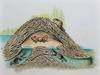
Impact of reciprocal feedbacks between evolution and ecology
Richard Watson, Patrick Doncaster, James Dyke (Investigators), Daniel Power
How do organism's activities affect their evolutionary trajectories? This project uses simulation techniques to evaluate the effects of this feedback.
Impacts of Climate and Sea-Level Change on Coastal Gullies
Stephen Darby (Investigator), Chris Hackney, Julian Leyland
Content to follow

Integrated in silico prediction of protein-protein interaction motifs
Richard Edwards (Investigator), Nicolas Palopoli, Kieren Lythgow
Many vital protein-protein interactions are mediated by Short Linear Motifs (SLiMs) which are short proteins typically 5-15 amino acids long containing only a few positions crucial to function. This project integrates a number of leading computational techniques to predict novel SLiMs and add crucial detail to protein-protein interaction networks.

Integrating Automated Vehicles into the Transport Network
Bani Anvari, Ben Waterson (Investigators), Craig Rafter
Innovative new designs to transportation infrastructure - with a strong evidence base - that will support automated vehicles to maximize sustainability in the transport network.
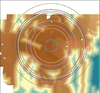
Integrating least-cost models with agent-based simulations: example hedgehog responses to fragmented landscapes
Jason Noble, Patrick Doncaster (Investigators), Angela Watkins
This study presents a novel analysis of an agent-based model of hedgehog movements integrated with a least-cost model of hedgehog dispersal and validated in landscapes with a varying degree of habitat fragmentation. A comparison of the fitness of individual agents reveals that incorporating a simple rule into
individual agents, to better mimic movement choices by real hedgehogs, dramatically affects the relationship between individual fitness and fragmentation.

Interactome-wide prediction of short linear protein interaction motifs in humans
Richard Edwards (Investigator)
Short Linear Motifs (SLiMs) are important in many protein-protein interactions. In previous work, we have developed a computational tool, SLiMFinder, which places the interpretation of evidence for motifs within a statistical framework with high specificity, and subsequently enhanced sensitivity through application of conservation-based sequence masking. We are now applying these tools to a comprehensive set of human protein-protein interactions in order to predict novel human SLiMs in silico.
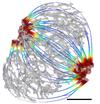
Investigations of Lymphatic Fluid Flow
Tiina Roose, Bharathram Ganapathisubramani, Geraldine Clough (Investigators), Laura Cooper
The lymphatic system performs three main roles returns interstitial fluid back into the blood stream to maintain tissue fluid homeostasis. The aim of this project is to increase our understanding of how the lymph flows through the system by creating three dimensional fluid structure interaction models of the secondary lymphatic valves and image based models of lymph nodes.
Is the decline in East African lesser flamingo population a natural concequence of soda ake dynamics?
Seth Bullock
An interdisciplinary approach using palaeoenvironmental data analysis and a modelling is being used investigate the dramatic fluctuations in conditions in the East African Rift Valley soda lakes, and how these changes may be impacting the lesser flamingo population.
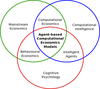
It takes all sorts: the mathematics of people’s behaviour in financial markets
Valerio Restocchi (Investigator), Frank McGroarty, Enrico Gerding
Agent-based models provide a deeper understanding of financial markets than classic models. We model people's behaviour and use agent-based simulations to study financial markets. By analysing the emerging complex dynamics, we achieve a deeper understanding of market participants' behaviours, which are necessary for a deeper comprehension of financial markets themselves.

Kaon to two pion decays in lattice QCD
Jonathan Flynn (Investigator), Elaine Goode, Dirk Broemmel
We calculate kaon decay amplitudes on the lattice so we may compare the Standard Model to experiment.
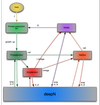
Lagrangian modelling of ecosystem dynamics at the Bermuda Atlantic Time-series Study station
Tom Anderson, Seth Bullock (Investigators), Melissa Saeland
Focus in the marine ecosystem modelling community is starting to shift towards the use of Lagrangian, agent-based models as these are believed to produce more realistic results. The basic assumptions behind these models have not been thoroughly tested, and this project aims to undertake a detailed study of Lagrangian marine ecosystem models, before creating one to investigate the dynamics at the Bermuda Atlantic Time-series Study station (BATS).
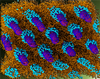
Lyotropic phase transitions of lipids studied by CG MD simulation and experimental techniques
Syma Khalid (Investigator), Josephine Corsi
A study of the phase behaviour of cationic lipid - DNA complexes such as those used for transfection by coarse grained molecular dynamics simulation. Lipid systems studied include DOPE, DOPE/DNA and DOPE/DOTAP/DNA. Structural parameters and phase behaviour observed computationally have been compared with those gained using Small Angle X-ray Scattering (SAXS) and polarising light microscopy techniques.
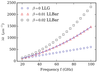
Magnetic dynamics under the Landau-Lifshitz-Baryakhtar equation
Hans Fangohr (Investigator), Weiwei Wang
Magnetic dynamics using the Landau-Lifshitz-Baryakhtar (LLBar) equation that the nonlocal damping is included as well as the scalar Gilbert damping.

Magnon-Driven Domain-Wall Dynamics in the presence of Dzyaloshinskii-Moriya Interaction
Hans Fangohr (Investigator), Weiwei Wang
The domain wall motion induced by spin waves (magnons) in the presence of Dzyaloshinskii-Moriya Interaction is studied in this project.
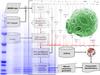
Mass Spec identification of proteins utilising EST libraries
Richard Edwards, Maria Debora Iglesias-Rodriguez (Investigators), Bethan Jones
Expressed Sequence Tag (EST) data presents a particular challenge for the identification of proteins using mass spectrometry (MS): it is often redundant (multiple copies of the same gene), consists primarily of short fragments of coding sequence, contains many sequencing errors and is generally poorly annotated. We are developing computational pipelines to maximise robust protein identifications from EST data despite these challenges.
Mathematical modelling of plant nutrient uptake
Tiina Roose (Investigator)
In this project I will describe a model of plant water and nutrient uptake and how to translate this model and experimental data from the single root scale to the root branching structure scale.
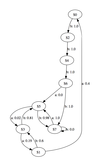
Measuring organisation with statistical complexity
Seth Bullock (Investigator), David Arden
What is a organisation and how can we measure it? In particular, can we automate the process of picking out the emergence of pattern and structure in a noisy system over time?
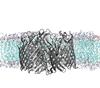
Membrane-Protein Interactions: The Outer Membrane of Gram-Negative Bacteria
Syma Khalid (Investigator), Pin-Chia Hsu
The aim of the project is to looking for the interaction sites, which may responsible for turning on/off activity in outer membrane protein with gram-negative bacteria membrane using molecular dynamic (MD) approach.
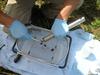
Metagenomics: Understanding the impacts of environmental change on soil biodiversity
Richard Edwards, Gail Taylor (Investigators), Joseph Jenkins
Drought is expected to increase in prevalence by 2050. Similarly, the use of biochar (a charcoal based soil amendment) has been suggested as a method to sequester carbon and fertilize soils without need of mineral fertilizers, and its use is increasing. We are using next generation DNA sequencing technology and bioinformatics to determine bacterial genetic diversity from soil samples which have been subject to drought or biochar amendment, to further our understanding of the impacts of environmental change on microbial communities.
Micromagnetic simulation of Magnetoelectric Multiferroics
Hans Fangohr (Investigator), Rebecca Carey
The focus of this project is towards the understanding of the magnetic and electric couplings in multiferroic materials, in order to create a magnetoelectric micromagnetic model.
Modelling mechanoreceptor reaction to tissue deformation
Mark Taylor (Investigator), Gwen Palmer
This project involved the modelling of a piece of knee joint capsule, which will produce an electrical output when mechanically stimulated. The model is based on expermental work carried out by P. Grigg and A.H. Hoffman (1982).
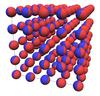
Modelling micromagnetism at elevated temperature
Hans Fangohr, Kees de Groot, Peter de_Groot (Investigators), Dmitri Chernyshenko
We aim to develop a multiscale multiphysics model of
micromagnetism at elevated temperatures with atomistic simulations for
material parameter. The tool will be used to guide the development of the next generation magnetic data storage technology: heat assisted magnetic recording.
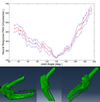
Modelling neuronal activity at the knee joint
Mark Taylor, Tiina Roose (Investigators), Gwen Palmer
The function of the knee joint is reliant on proprioception, which involves the response of nerve endings in the tissues at the joint. This project will be concentrating on the neuronal activity, caused by mechanical stimuli, of the more common receptors found at the knee (Ruffini, Paciniform, Golgi and Nociceptor).
There are three stages to this project:
1. Modelling the behaviour of each individual receptor, with the use of the Hodgkin-Huxley model [1].
2. These models will then be applied to the soft tissues around a knee, where a global deformation of the tissue will result in local stimulation of receptors.
3. The soft tissue models will then be applied to structures in the knee.
[1] - Hodgkin, A.L. and A.F. Huxley, A quantitative description of membrane current and its application to conduction and excitation in nerve. Journal of Physiology, 1952. 117: p. 500-544.
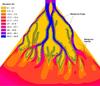
Modelling the morphodynamic evolution of the Ganges-Brahmaputra-Meghna (GBM) Delta over centennial time scales
Stephen Darby (Investigator), Balaji Angamuthu
Around 0.5 Billion people live in deltaic environments where they are threatened by flooding and land loss frequently. Yet, our understanding of the threats posed by land dynamic process remains limited. In this work, we try to address this issue through a land dynamic simulation of the largest and most populated of all the deltas, the GBM Delta, using the CFD software Delft3D for a range of climate change and management scenarios. The results provide new insight into the factors controlling past morphodynamics that, in turn, are helpful when assessing the possible trajectories of future evolution.

Models of Avian Flocking
Edward Butler (Investigator)
This research review project explores current state of avian flock modelling research, exploring how ideas have developed since the earliest theories dating back to the 1930s.
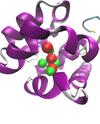
Molecular Fragments in Inhibitor Design
Jonathan Essex (Investigator), Michael Bodnarchuk
Fragment-Based Drug Discovery (FBDD) has emerged as an important tool in the drug discovery process. Instead of screening entire drug molecules, FBDD screens molecular fragments; constituents which make up drug molecules. A computational approach to identifying fragment binding is currently being sought which also yield binding free energy estimation.
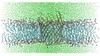
Multi-scale simulations of bacterial outer-membrane proteins
Syma Khalid (Investigator), Jamie Parkin
Using Iridis to run multiple simulations, I aim to simulate the outer membrane proteins of Pseudomonas aeruginosa, using X-ray crystal structures of proteins only recently resolved by Bert van den Berg, University of Massachusetts. By modelling the proteins in a realistic P. aeruginosa outer membrane, I aim to gain insight into the binding of these proteins to specific substrates and their function.
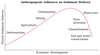
Multidecadal Sediment Fluxes to Deltas Under future Environmental Change Scenarios
Stephen Darby (Investigator), Frances Dunn
Coastal deltas, on which over half a billion people live worldwide, maintain elevation above sea level by retaining sediment on their surfaces. The aim of this research is to project future fluvial sediment delivery to 47 deltas under environmental change scenarios to assess the sustainability of deltas environments globally.
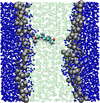
Multiscale modelling of biological membranes
Jonathan Essex (Investigator), Mario Orsi
Biological membranes are complex and fascinating systems, characterised by proteins floating in a sea of lipids. Biomembranes, besides being the fundamental structures employed by nature to encapsulate cells, play crucial roles in many phenomena indispensable for life, such as growth, energy storage, and in general information transduction via neural activity. In this project, we develop and apply multiscale computational models to simulate biological membranes and obtain molecular-level insights into fundamental structures and phenomena.
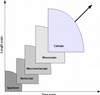
Multiscale Modelling of Cellular Calcium Signalling
Hans Fangohr, Jonathan Essex (Investigators), Dan Mason
Calcium ions play a vitally important role in signal transduction and are key to many cellular processes including muscle contraction and cell apoptosis (cell death). This importance has made calcium an active area in biomedical science and mathematical modelling.
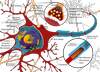
Multiscale Modelling of Electrochemical Processes in Neurons
John Chad (Investigator), Stuart George
Using asymptotic expansions to determine how the signalling behaviour of neurons is related to their microstructure.

MXL Project
Mark Taylor, Junfen Shi (Investigators)
‘MXL’ is short for “Enhanced patient safety by computational Modelling from clinically available X-rays to minimise the risk of overload and instability for optimised function and Longevity”. This is an international EU-funded project which the Bioengineering Sciences Research Group at Southampton is involved in. For more information, visit http://www.m-x-l.eu

New Forest Cicada Project
Alexander Rogers, Geoff Merrett (Investigators), Davide Zilli, Oliver Parson
Rediscover the critically endangered New Forest cicada with crowdsourced smartphone biodiversity monitoring techniques.
NGCM-0054 - Automatic Code Generation for Computational Science
Hans Fangohr (Investigator), Gary Downing
Automatically generate code to solve partial differential equations specified symbolically.

Nmag - computational micromagnetics
Hans Fangohr, Thomas Fischbacher (Investigators), Matteo Franchin, Andreas Knittel, Maximilian Albert, Dmitri Chernyshenko, Massoud Najafi, Richard Boardman
Nmag is a micromagnetic simulation package based on the general purpose multi-physics library nsim. It is developed by the group of Hans Fangohr and Thomas Fischbacher in the School of Engineering Sciences at the University of Southampton and released under the GNU GPL.
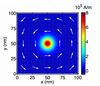
Nmag finite difference
Hans Fangohr (Investigator), Dmitri Chernyshenko, Matteo Franchin, Massoud Najafi
The goal of this project is to extends the finite element based micromagnetic simulation tool Nmag by the finite difference based extension Nmagfd and so to get an simulation tool where the user can easily switch between the used discretization method.
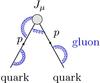
Non-Perturbative Renormalisation on the Lattice
Jonathan Flynn (Investigator), Dirk Broemmel, Thomas Rae
In this project we compute renormalisation factors for various physical observables in a non-perturbative lattice framework. Renormalisation hereby arises due to a fundamental scale dependence of the physical processes.
Nonequilibrium Dynamics of Atomic Gases in Optical Lattices
Sophie Marika Reed
Many-body, quantum systems exhibit emergent properties which allows for quantum events to influence properties on macroscopic scales. Such emergent properties are studied using stochastic phase-space techniques.
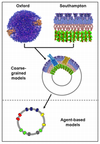
OMSys Towards a system model of a bacterial outer membrane
Syma Khalid (Investigator)
Many bacteria have an outer membrane which is the interface between the cell and its environment. The components of this membrane are well studied at an individual level, but there is a need to model and understand the outer membrane as a whole. In this project we aim to develop such a model of a bacterial outer membrane, linking computer simulations of the component molecules through to a more "systems biology" approach to modelling the outer membrane as a whole. Such an approach to modelling an OM must be multi-scale i.e. it must embrace a number of levels ranging from atomistic level modelling of e.g. the component proteins through to higher level "agent-based" modelling of the interplay of multiple components within the outer membrane as a whole. The different levels of description will be integrated to enable predictive modelling in order to explore the roles of outer membrane changes in e.g. antibiotic resistance.

OpenDreamKit
Hans Fangohr (Investigator), Marijan Beg
OpenDreamKit is a [Horizon 2020](https://ec.europa.eu/programmes/horizon2020/) European Research Infrastructure project (#676541) providing substantial funding to the open-source computational mathematics ecosystem, and in particular popular tools such as LinBox, MPIR, SageMath, GAP, Pari/GP, LMFDB, Singular, MathHub, and the IPython/Jupyter interactive computing environment.
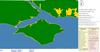
Operational Simulation of the Solent Search-and-Rescue environment
James Scanlan, Kenji Takeda, Hans Fangohr (Investigators), Ben Schumann
This project aims to identify useful metrics for a proposed Search-and-Rescue UAV and test it virtually in a realistic environment.
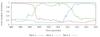
Origins of Evolvability
Richard Watson, Markus Brede (Investigators), William Hurndall
This project examined the putative evolvability of a Lipid World model of fissioning micelles. It was demonstrated that the model lacked evlovability due to poor heritability. Explicit structure for micelles was introduced along with a spatially localised form of catalysis which increased the strength of selection as coupling between potential chemical units of heredity were reduced.

Perceived Attractiveness as a Factor Affecting Condomless Sex
Anastasia Eleftheriou, Seth Bullock
The objectives of this project are to better understand the relationship between perceived attractiveness and condom use intentions and to gain insight into the relationship between perceived attractiveness and potential sexual risk behaviours.
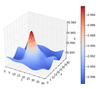
Precision study of critical slowing down in lattice simulations of the CP^{N-1} model
Jonathan Flynn, Andreas Juttner (Investigators), Andrew Lawson
This project involves the study of critical slowing down (CSD): a property that may arise when taking measurements in Monte Carlo simulations. In order to study and quantify this phenomenon we have performed extensive simulations of the CP^{N-1} model. By studying the properties of the Monte Carlo algorithms in this model, we hope to make algorithmic improvements that can then be employed in simulations of physical quantum field theories, such as in lattice quantum chromodynamics (lattice QCD).

Predicting Available Energy in Energy Harvesting Wireless Sensor Networks
Geoff Merrett (Investigator), Davide Zilli
Is it possible to predict how much energy a sun-light or wind powered wireless sensor node can harvest and tune its sensing pattern accordingly?
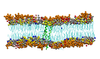
Probing the oligomeric state and interaction surface of Fukutin Transmembrane Domain in lipid bilayer via Molecular Dynamics simulations
Syma Khalid, Philip Williamson (Investigators), Daniel Holdbrook, Jamie Parkin, Nils Berglund, Yuk Leung
Fukutin Transmembrane Domain (FK1TMD) is localised to the endoplasmic reticulum or Golgi Apparatus within the cell where it is believed to function as a glycosyltransferase. Its localisation within the cell is thought to be mediated by the interaction of its N-terminal transmembrane domain with the lipid bilayers surrounding these compartments, each of which possess a distinctive lipid composition. Studies have revealed that the N-terminal transmembrane domain of FK1TMD exists as dimer within dilauroylphosphatidylcholine bilayers and this interaction is driven by interactions between a characteristic TXXSS motif. Furthermore residues close to the N-terminus that have previously been shown to play a key role in the clustering of lipids are shown to play a key role in anchoring the protein in the membrane.
Quantifying Collective Construction
Seth Bullock (Investigator), Nicholas Hill
This was an initial investigation into how best to develop quantifying and discriminating measures of both the processes and results of collective construction.
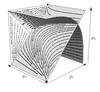
Renormalisation group approach to 1D cellular automata with large updating neighbourhoods
Iain Weaver, Adam Prugel-Bennett (Investigators)
We study self-similarity in one-dimensional probabilistic cellular automata (PCA) by applying a real-space renormalisation technique to PCA with increasingly large updating neighbourhoods. By studying the flow about the critical point of the renormalisation, we may produce estimates of the spatial scaling properties of critical PCA.
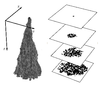
Renormalisation of 2D cellular automata with an absorbing state
Adam Prugel-Bennett, Iain Weaver (Investigators)
We describe a real-space renormalisation scheme for non-equilibrium probablistic cellular automata (PCA) models, and apply it to a two-dimensional binary PCA. An exact renormalisation scheme is rare, and therefore we provide a method for computing the stationary probability distribution of states for such models with which to weight the renormalisation, effectively minimising the error in the scale transformation.
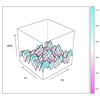
Replication of Sayama Group Decision Model
Jason Noble (Investigator), Jonathan Gray
Replication of a model of group decision making from Sayama et al. (2011), with a revised methodology that alters a conclusion from the original paper.
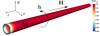
Reversal of ferromagnetic nanotubes
Hans Fangohr (Investigator), David Cortes
We are analysing the feasibility of reversing a nano scaled magnetic tube by applying weak pulses of currents through the nano-tube inner core
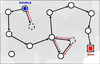
Scalability of Energy Efficient Routing Algorithms in Wireless Sensor Networks
Geoff Merrett (Investigator), Davide Zilli
This project compares two broad classes of routing algorithms for Wireless Sensor Networks, message flooding and single path, by means of a simulation model. In particular, we want to understand how the two scale in terms of energy efficiency on large networks of sensors.

Sediment Transfer and Erosion on Large Alluvial Rivers (STELAR-S2S)
Stephen Darby, Julian Leyland, Christopher Hackney (Investigators)
STELAR-S2S will provide the first comprehensive quantification of autogenic and climatic controls on riverine sediment fluxes for one of the world's largest rivers (the Mekong), leading to new generic understanding of the relationships between climatic variability, fluvial processes and sediment flux to deltaic zones and the ocean.

Selection pressure for language and theory-of-mind in monkeys
Jason Noble (Investigator)
To what extent are the alarm calls of putty-nosed monkeys likely to be a good model for human language evolution? Simulation is used to classify evolutionary trajectories as either plausible or implausible, and to put lower bounds on the cognitive complexity required to perform particular behaviours.
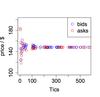
Self Interest & the Evolutionary Optimisation of Adaptive Trading Agents for Continuous Double Auctions
Frank McGroarty, Enrico Gerding (Investigators), Ash Booth
One cannot escape the recent crises in economics and the lack of understanding of financial markets that has been highlighted by them. Improvements to current market models are already being made and a realisation of the power of agent based modelling in such models is evident. In this project we seek to explore an existing model by Cliff of trader behaviour in continuous double auctions. We investigate the strategies that arise in such auctions when trader parameters are evolved with intent to maximise personal profit. Results show different trading strategies to those evolved by Cliff and explanations are given with regards to the self-interest.
Sensitivity of the critical depth to the choice of particle movement rules in Lagrangian models and the consequences for the predicted timing of the spring bloom
Tom Anderson (Investigator), Melissa Saeland
Individual-based (Lagrangian) models lend themselves to the study of the controls of the spring bloom in the ocean, due to their ability to represent both the turbulence and the phytoplankton motion. Here, we use a Lagrangian phytoplankton model to test some of the most prevalent hypotheses (e.g. critical depth and critical turbulence).
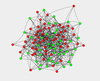
Separation of timescales in models of complex networks
Seth Bullock (Investigator), Elisabeth zu-Erbach-Schoenberg, Connor McCabe
In many real-world systems several processes act on the system state. The way these processes interact can have implications for the resulting system state. We investigate how separation of the timescales of two processes influences the system's equilibrium state.
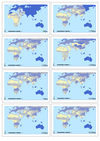
Simulating Human Expansion in the Early Pleistocene
Seth Bullock, Fraser Sturt (Investigators), Iza Romanowska
Using Agent-based modelling to investigate the first human dispersal almost 2 million years ago.
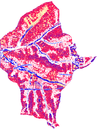
Simulating Hydro-geomorphic Changes in European Climate Hotspots
John Dearing (Investigator), Ying Wang
This project will simulate the behaviour of hydro-geomorphological processes in a fluvial system over decadal timescales is an important basis for research on catchment environmental management, especially with regards climate changes and human impacts on fluvial system.

Simulating Sleeping Sickness: a two-host agent-based model
Jason Noble, Peter Atkinson (Investigators), Simon Alderton
Sleeping sickness is a vector-borne, parastic disease which affects millions of people across 36 sub-Saharan African countries. Using agent-based models, we aim to gain a greater understanding of the interactions between the tsetse fly vector and both animal and human hosts.
Building an accurate representation will allow the testing of local interventation scenarios including the closing of watering holes, and the selective spraying of cattle with insecticides.
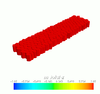
Simulating the Write Process in Perpendicular Magnetic Media
Hans Fangohr (Investigator), Stuart Curtis
The project aims to use Nmag, a micromagnetics software package developed by the CMG to model the writing process in perpendicular magnetic recording.

Simulation modelling of habitat permeability for mammalian wildlife
Patrick Doncaster, Jason Noble (Investigators), Angela Watkins
Using and integrating least-cost models and agent-based simulations to explore the way in which mammals interact with, and hence move, through fragmented landscapes.
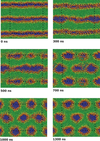
Simulation of biological systems at long length and distance scales
Jonathan Essex (Investigator), Kieran Selvon
This project aims to shed light on cell membrane mechanisms which are difficult to probe experimentally, in particular drug permiation across the cell membrane. If one had a full understanding of the mechanism, drugs could be designed to target particular embedded proteins to improve their efficacy, the viability of nano based medicines and materials could also be assessed, testing for toxicity etc.

Simulation of Parking Choice Behaviour
Ben Waterson, Hans Fangohr (Investigators), James Snowdon
Exploring how psychological models of individual parking search behaviours can be combined into an accurate simulation of vehicle flows, allowing for assessment of the impact on searching traffic of different demand/ supply ratios, different driver population characteristics and different charging regimes.
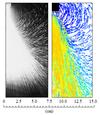
Simulations investigating droplet diameter-charge models, for predicting electrostatically atomized dielectric liquid spray chracteristics
Gabriel Amine-Eddine (Investigator)
Liquid sprays are atomized using electrostatic methods in many scienti fic, industrial and engineering applications. Due to jet and droplet breakup mechanisms, these spray plumes contain a range of drop diameters with differing droplet charge levels. Using an transient charged spray CFD code, simulations have been performed to investigate charge-diameter relationship models for predicting dynamics of poly-disperse and electrostatically atomized hydrocarbon sprays.
The methodology developed can be readily extended towards high-pressure spray applications, where secondary atomization plays a dominant role within the spray dynamics and subsequent performance of the spray itself.
Amine-Eddine, G. H. and Shrimpton, J. S. (2013), On simulations investigating droplet diameter–charge distributions in electrostatically atomized dielectric liquid sprays. Int. J. Numer. Meth. Fluids, 72: 1051–1075. doi:10.1002/fld.3776

Simulations of Magnetic Skyrmions
Hans Fangohr (Investigator), Ryan Pepper
The manipulation of magnetic skyrmions could prove to be a useful technique for storing data on an unprecedented density scale. In this project we seek to better understand their properties and ways to control them.

Skyrmionic states in confined nanostructures
Hans Fangohr (Investigator), Marijan Beg
An ever increasing need for data storage creates great challenges for the development of high-capacity storage devices that are cheap, fast, reliable, and robust. Because of the fundamental constraints of today's technologies, further progress requires radically different approaches. Magnetic skyrmions are very promising candidates for the development of future low-power, high-capacity, non-volatile data storage devices.
Soft x-ray science on a tabletop
Peter Horak, Jeremy Frey, Bill Brocklesby (Investigators), Patrick Anderson, Arthur Degen-Knifton
Complex numerical simulations are being performed to aid experimentalists at Southampton realize the next generation of high brightness tabletop sources of coherent soft x-rays.?

Spatial Mobility in the Formation of Agent-Based Economic Networks
Antonella Ianni, Seth Bullock (Investigators), Camillia Zedan
An investigation into the effect of spatial mobility on endogenous economic network formation.
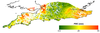
Spatial variability of the atmosphere in southern England
Joanna Nield, Jason Noble, Edward Milton (Investigators), Robin Wilson
No-one really knows how variable key atmospheric parameters such as Aerosol Optical Thickness and Water Vapour content are over relatively small areas. This study aims to find out!
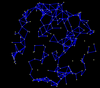
Spatially Embedded Complex Systems Engineering
Seth Bullock (Investigator)
SECSE brought together an interdisciplinary team of scientists working on an ambitious three-and-a-half year project titled. The research cluster spanned neuroscience, artificial intelligence, geography, and complex systems in an attempt to understand the role of spatial organization and spatial processes in complex networks within the domains of neural control, geo-information systems and distributed IT systems such as those implicated in air-traffic control.

Stability of chiral structures in magnetic nanodisks
Hans Fangohr, Weiwei Wang (Investigators), David Cortes
This project is aimed to study the stability of skyrmionic and helical equilibrium states in magnetic nanodisks, using computational simulations.
Statistical model of the knee
Mark Taylor (Investigator), Francis Galloway, Prasanth Nair
Development of methods for large scale computational testing of a tibial tray incorporating inter-patient variability.
Tag based transcriptome analysis of gene expression in a promising green algae
Richard Edwards (Investigator), Andreas Johansson
We use SuperSAGE in combination with next-generation sequencing to compare differences in gene expression between selected mutants and the wild type of a green algae. The data in the form of millions of 26 bp tags representing short stretches of expressed genes, will be analysed to find patterns of variation in gene expression under different conditions.

TEDx: Closing the Loop: Entropy Accounting for a Sustainable World
Stuart Bartlett (Investigator)
This is a TEDx talk that I gave on some ideas I've had about the large-scale thermodynamic organisation of life on Earth. While these ideas probably aren't new, I believe they can teach us something about the way in which we think about energy and the 'consumption' of goods and energy.

Test and Rest
Hans Fangohr (Investigator), Evander DaCosta, James Graham, Oliver Laslett
Regression and system testing, automatic execution of testing - establishing best practice.

Testing an interaction game on relationships.
Seth Bullock (Investigator), Anastasia Eleftheriou
The aim of this project is to examine how attractiveness is related to hypothetical risky sexual behaviour. The term `risky sexual behaviour' refers to having multiple sexual partners without the use of a condom. Data will be collected using questionnaires in order to investigate the influence of attractiveness on intentions towards engaging in unprotected sexual intercourse. A primary research question is whether perceived attractiveness of a potential partner affects the reported likelihood of having sex and/or using a condom.
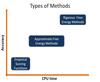
The application and critical assessment of protein-ligand binding affinities
Jonathan Essex (Investigator), Ioannis Haldoupis
A method that can accurately predict the binding affinity of small molecules to a protein target would be imperative to pharmaceutical development due to the time and resources that could be saved. A head-to-head comparison of such methodology, ranging from approximate methods to more rigorous methods, is performed in order to assess their accuracy and utility across a range of targets.
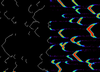
The application of automated pattern metrics to surface moisture influences on modelled dune field development
Robin Wilson, Joanna Nield (Investigators)
Areas of sand dunes (known as dunefields) develop complex patterns over time. These are influenced by both the past and present environmental conditions, including surface moisture, vegetation distribution and human impact. This project develops a method of automated pattern analysis which allow the patterns produced by a large number of sand dune evolution simulations (performed using the DECAL model) to be quantified over time.
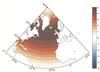
The Atlantic Meridional Overturning Circulation’s Response to Variable Buoyancy Forcing
Kevin Oliver (Investigator), Edward Butler
An investigation into the impact of periodic variations in surface buoyancy forcing on the mean strength of ocean circulation; in particular, the Atlantic Meridional Overturning Circulation.
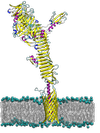
The autotransporter ? domain: insights into structure and function through multi scale molecular dynamics simulations
Syma Khalid (Investigator), Daniel Holdbrook, Thomas Piggot
We are performing a series of molecular dynamics simulations involving all autotransporters with known structure. We aim to identify key structural and dynamic properties in this family of proteins.
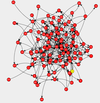
The Endogenous Formation of Economic Networks
Antonella Ianni, Seth Bullock (Investigators), Camillia Zedan
An investigation into endogenous network formation using a simple agent-based approach.
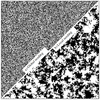
The importance of timescales for the emergence of environmental self-regulation
Iain Weaver, James Dyke (Investigators)
Models which explore the possibilities of emergent self-regulation in the Earth system often assume the timescales associated with changes in various sub-systems to be predetermined. We analyse a classic model of environmental self-regulation, Daisyworld, and interpret the original equations for model temperature, changes in insolation, and self-organisation of the biota as an important separation of timescales.

The Maximum Entropy Production Principle and Natural Convection
Seth Bullock, James Dyke (Investigators), Stuart Bartlett
In this project I wanted to perform some tests of the so-called Maximum Entropy Production Principle (MEPP) in the context of buoyancy-driven convection in a system with negative feedback boundary conditions.
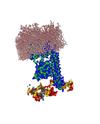
The mysteries of Braun's Lipoprotein.
Syma Khalid (Investigator), Alister Boags
Despite Braun's lipoprotein being the most common form of protein present in E.Coli bacterial membranes, it remains unstudied in the field of computational study. This is remedied by the implementation of molecular dynamics simulations to study the interactions of this lipoprotein with a structure of infinite peptidoglycan (cell wall) that has previously not been used. Shown in the project is the interactions and physical properties of the lipoprotein in it's native environment of the crowded periplasm.
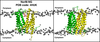
THE NORM MATE TRANSPORTER FROM N. GONORRHEAE: INSIGHTS INTO DRUG & ION BINDING FROM ATOMISTIC MOLECULAR DYNAMICS SIMULATIONS
Syma Khalid (Investigator), Daniel Holdbrook, Thomas Piggot, Yuk Leung
The multidrug and toxic compound extrusion (MATE) transporters extrude a wide variety of substrates out of both mammalian and bacterial cells via the electrochemical gradient of protons and cations across the membrane. Multiple atomistic simulation are performed on a MATE transporter, NorM from Neisseria gonorrheae (NorM_NG) and NorM from Vibrio cholera (NorM_VC). These simulations have allowed us to identify the nature of the drug-protein/ion-protein interactions, and secondly determine how these interactions contribute to the conformational rearrangements of the protein.

The Ocean's Gravitational Potential Energy Budget in a Coupled Climate Model
Kevin Oliver (Investigator), Edward Butler
This study examines, in a unified fashion, the budgets of ocean gravitational potential energy (GPE) and available gravitational potential energy (AGPE) in the control simulation of the coupled atmosphere–ocean general circulation model HadCM3.
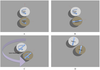
The Origins of Communication Revisited
Jason Noble (Investigator), Jordi Arranz
Quinn (2001) sought to demonstrate that communication be- tween simulated agents could be evolved without pre-defined communication channels. Quinn’s work was exciting because it showed the potential for ALife models to look at the real origin of communication; however, the work has never been replicated. In order to test the generality of Quinn’s result we use a similar task but a completely different agent architecture. We find that qualitatively similar behaviours emerge, but it is not clear whether they are genuinely communicative. We extend Quinn’s work by adding perceptual noise and internal state to the agents in order to promote ritualization of the nascent signal. Results were inconclusive; philosophical implications are discussed.
The response of the Bergmann glial cell to synaptic activity
Giles Richardson (Investigator), Stuart George
We model the potential changes induced in the Bergmann glial cell by synaptic activity in neighbouring neurons.
The Role of Information in Price Discovery
Antonella Ianni, Seth Bullock (Investigators), Camillia Zedan
The recent economic crisis has highlighted a continued vulnerability and lack of understanding in the financial markets. In order to overcome this, many believe that current market models must be improved. Recently, a trend towards agent-based modelling has emerged. Viewing the economy as a complex system is beginning to be seen as key to explaining certain market characteristics that were originally considered anomalies.
One of the fundamental assumptions in economics is that of information efficiency: that the price of a stock reflects its worth, that all possible information about a security is publicly known, and that any changes to price take place instantaneously. In reality, however, this is not the case.
This project considers the use of agents in modelling economic systems and demonstrates the effect of information levels on price discovery using a simple market simulation.
The Skyrmion Project
Hans Fangohr (Investigator), Marijan Beg
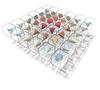
Skyrmions are excitations of matter whose occurrence and collective properties are mysterious, but which hold promise for advancing our basic understanding of matter and also for technological deployment as highly efficient memory elements.

The Social-cognitive Niche: An Exploration of the Co-evolutionary Relationship between Human Mind and language, with a Particular Focus of the Self-organisational properties of the Emergence of Symbolic Representation.
Jason Noble, Glyn Hicks (Investigators), Lewys Brace
This work explored the relationship between the origin and subsequent evolution of the human mind and language; a relationship that is believed to be symbiotic in nature. This piece aimed to achieve two objectives. Firstly, it set out a theoretical framework, using the principles of complexity theory and self-organisation, which attempts to explain this relationship from a holistic perspective.
Secondly, it presented an agent-based model of a vervet monkey social group, which sought to investigate the variables that were perceived to underpin the emergence of symbolic representation within a population of language users.
The belief here was that, by understanding the influence of these variables, one would be able to better understand the genesis of the aforementioned relationship.
The tarsal intersegmental reflex control system in the locust hind leg
David Simpson, Philip Newland (Investigators), Alicia Costalago Meruelo
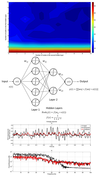
Locomotion is vital for vertebrates and invertebrates to survive. Despite that feet are responsible for stability and agility in most animals, research on feet movements and their reflexes is scarce.
In this thesis, the tarsal reflex responses of locust will be studied and modelled with ANNs to achieve a deeper comprehension of how stability and agility is accomplished.
The choice of ANNs is linked to the applicability of the method into other fields, such as technological designs or medical treatment.

The use of channel wings for slow speed UAV flight
Andy Keane (Investigator), Juraj Mihalik
In this project, advanced computational modeling and robust design optimization tools are used to observe the possibility of use of the Custer channel wings for slow speed UAV flights.
Tipping points in Complex Coupled Life-Environment Systems
Iain Weaver, James Dyke (Investigators)
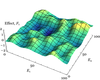
System-level homeostasis has been demonstrated in a number of conceptual, artificial life, models which share the advantage of a thorough and transparent analysis. We reintroduce a general model for a coupled life-environment model, concentrating on a minimal set of assumptions, and explore the consequences of interaction between simple life elements and their shared, multidimensional environment.
Tissue Engineering
Tiina Roose (Investigator)
This project deals with applying mathematical and computational modelling techniques to answer questions that are useful for tissue engineering applications.
Towards design patterns for robot swarms
Richard Crowder, Seth Bullock (Investigators), Lenka Pitonakova
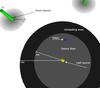
Swarm robotics is an inter-disciplinary field that seeks to design the behaviour of robots that can cooperate effectively on tasks like search and retrieval, reconnaissance, construction, etc. In this project, we are aiming towards a theoretical understanding of swarm intelligence and the development of design patterns for effective robot swarms.
Towards Exascale computing in particle physics
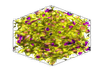
Andreas Juttner, Jonathan Flynn (Investigators), James Harrison
Lattice QCD

Uncertainty quantification and propagation through complex chains of computational models
Dave Woods (Investigator), Stephen Gow
This project will explore how predictions can be made and assessed through complex chains of computer models.

Understanding the Role of Recruitment in Robot Foraging
Seth Bullock, Richard Crowder (Investigators), Lenka Pitonakova
It is shown that recruitment among foraging robots is useful when resources are hard to find, but that the extra cost associated with such robots is not returned when there are many locations to gather from or simply when the relative gain from using communication is low.
Using MEP to determine parameter values of ocean and atmosphere diffusivity
Kevin Oliver, James Dyke (Investigators), Maike Sonnewald
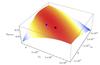
Entropy budgets can potentially offer new and valuable insights into the dissipation of energy in the ocean system. Specifically, if one assumes the Earth system maximises the dissipation of energy, one can use this as a guiding principle maximising the internal entropy production. In this study, resultant temperature distributions from a four box ocean-atmosphere-ice model are used to assess to what extent such considerations could ameliorate the need for tuning parameter values associated with oceanic and atmospheric diffusivity. Results from a standard implementation with fixed, empirically determined, parameters were compared to one where the maximum entropy production principle is applied to determine the value of oceanic and atmospheric diffusivity parameters. These methods have been successfully applied to cloud fraction and convection in the atmosphere.
The MEP principle suggested using diffusivity values of 3.3×10¹⁴ W K ?1 and 3.2×10¹⁴ W K ?1
for the ocean and atmosphere respectively, where the empirical values were 2.0 × 10¹⁴ W K ?1
and 1.0 × 10¹⁴ W K ?1 . The oceanic temperatures of the MEP implementation were 3 and -1oC
away the high and low latitude observed ocean temperatures respectively, while the empirical
implementation was -5 and 3oC away, largely within the observational standard deviation of
8 and 2? C respectively. For the atmospheric values, MEP implementation was 3W m?2 away
from the high latitude observed value, while the empirical implementation was 6W m?2 away,
both within the standard deviation of 13.2W m?2 . However, in the low latitudes this reverses,
with the empirical implementation being only -16W m?2 off while the MEP implementation
is -21W m?2 off. However, both figures are outside the range of the standard deviation of
4.2W m?2 . Overall, both methods were found to be very close to oceanic observations. This
confirms that in the model used, the assumption of maximal dissipation of energy is reasonable.
Furthermore, the nature of the landscape of internal entropy production created by the
oceanic and atmospheric diffusivity was found to be fairly smooth, with non-linearities mainly
coming from ice albedo. Assuming the Earth system is in a state of maximal energy dissipa-
tion, applying the MEP principle successfully may depend on such a smooth, easily optimisable
landscape. Thus, the successful application of the MEP principle could be much more difficult
if attempting to aid parametrisation in more detailed ocean models, as these are likely to have
internal entropy production landscapes with local maxima. Nevertheless, results presented
are very promising, and encourage further exploration of to what extent this principle could
be applied to ameliorate the need for tuning parameters in light of lacking information.
Using Molecular Dynamics to Understand the Antibacterial Mechanisms of Daptomycin & Chlorhexidine to Target the Bacterial Membrane
Syma Khalid (Investigator), Eilish McBurnie
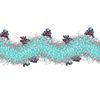
This project aims to use molecular dynamics techniques to understand how antimicrobial peptides, daptomycin and chlorhexidine, disrupt both gram positive and negative cell membranes on an atomic level.
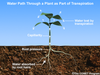
Validation of a spatial-temporal soil water movement and plant water uptake model
Tiina Roose, Sevil Payvandi (Investigators), James Heppell
We develop a model that estimates the water saturation level within the soil at different depths, and the uptake of water by the root system. Data from Smethurst et al (2012) is used to validate our model and obtain a fully calibrated system for plant water uptake. When compared quantitatively to other models such as CROPWAT, our model achieves a better fit to the experimental data because of the simpler, first, second and third order terms present in the boundary condition, as opposed to complicated non-linear functions.

Validation of GPS-derived water vapour estimates
Joanna Nield, Jason Noble, Edward Milton (Investigators), Robin Wilson
Measurements from GPS base stations can be processed to provide estimates of the water vapour content in the atmosphere. These are lots of these base stations across the world and they take measurements very frequently, making them perfect data sources for scientific use. However, we need to understand their accuracy - and this project aims to do this.

Variability in high pressure blade trailing edge geometry and its impact on stage capacity and blade temperature
Andy Keane (Investigator), Jan Kamenik
My project involves the trailing edge (TE) geometry of gas turbine high pressure turbine blades, which is subject to inevitable variability due to the manufacturing processes involved.
Vibrational spectroscopy from ab initio molecular dynamics
Hans Fangohr, Chris-Kriton Skylaris (Investigators), Valerio Vitale
In this project I used the Fourier transform of the time correlation function (FTTCF) formalism, that allows to compute the vibrational spectra of molecules both in gas and condensed phase, at finite temperature, in a single ab initio molecular dynamics simulation.
Vortex Dynamics in High-Tc superconductors
Hans Fangohr (Investigator)
The dynamics of vortices in high temperature superconductors exhibits the complex and rich physics we expect from many body systems with competing interactions. Molecular Dynamics, Langevin Dynamics and Monte Carlo Computer simulations are carried out to understand this system in more detail.

Vortices in Spinor Bose-Einstein Condensates
Janne Ruostekoski (Investigator), Justin Lovegrove
We numerically study the effect of spin degrees of freedom on the structure of a vortex in an atomic superfluid. Such objects are of interest as macroscopic examples of quantum phenomena, as well as for their analogies in other fields, such as cosmology and high energy physics.
Water molecules in drug development: can we predict drug affinity when water molecules are involved?
Jonathan Essex (Investigator), Hannah Bruce Macdonald, Christopher Cave-Ayland
Water molecules are often found to be involved in drug-protein binding and can influence the effectiveness of a drug. We aim to aid drug design by calculating the energies involved with complexes of drugs, proteins and water molecules to predict the affinities of drug molecules.
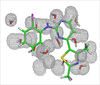
Water Molecules in Protein Binding Sites
Jonathan Essex (Investigator), Michael Bodnarchuk
Water molecules are commonplace in protein binding sites, although the true location of them can often be hard to predict from crystallographic methods. We are developing tools which enable the location and affinity of water molecules to be found.

You Can Chop Off My Head If You'll Let Me Return the Blow: Being a Game Theory Primer for the Non-technical Audience.
Jason Noble (Investigator), Lewys Brace
Game theory is a subject area that has, since it’s conception, become influential in a number of fields, ranging from its ‘stomping grounds’ in economics, through to evolutionary biology.
The aim of this paper was to provide the reader with a theoretical understanding of the basic concepts that one often encounters within the wider scientific literature, in a non-technical manner. To this end, this paper discussed its subject matter with the aid of examples that most people would be familiar with, and which do not require any specialist knowledge to interpret. This was deemed to be a useful way in which to develop an understanding of these concepts and their significance.
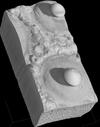
µ-VIS Computed Tomography Centre
Ian Sinclair, Richard Boardman, Dmitry Grinev, Philipp Thurner, Simon Cox, Jeremy Frey, Mark Spearing, Kenji Takeda (Investigators)
A dedicated centre for computed tomography (CT) at Southampton, providing complete support for 3D imaging science, serving Engineering, Biomedical, Environmental and Archaeological Sciences. The centre encompasses five complementary scanning systems supporting resolutions down to 200nm and imaging volumes in excess of one metre: from a matchstick to a tree trunk, from an ant's wing to a gas turbine blade.