Physical Systems and Engineering simulation
Categories within this topic include Acoustics (14), Advanced Materials (6), Astrophysics (16), Biomechanics (14), Biometrics (2), Catalysis (2), CFD (65), Climate (15), Combustion (4), Complex fluids (14), Cosmology (3), Data Acquisition (6), Diffusion (9), Earth Observation (10), Earth surface dynamics (15), Elasticity (6), Electromagnetism (19), Energy (22), Fiber Optic Communications (4), Flight simulation (6), Flow Control (1), Fluid Dynamics (8), fluid structure interaction (10), Free surface flows (4), General Relativity (10), Geophysics (4), Heat transfer (11), Hydrology (5), Landscape evolution (7), Liquid crystals (2), Magnetohydrodynamics (2), Magnonics (7), Marine Renewable Energy (6), Materials (31), MEMS (3), Metals (6), Micromagnetics (20), Oceanography (11), Particle Collisions (4), Photonics (15), QCD (11), QFT (1), Quantum Dynamics (9), Robotics (1), Sediment transport (11), Semiconductors (10), Sensors (6), Sexual Health (1), Ship Hydrodynamics (5), Space debris (1), Spintronics (5), Structural dynamics (12), Superconductivity (4), Superfluidity (1), Thin film flow (1), Tribology (6), Turbulence (26), Wave propagation (11), Wireless Communications (3)
All Projects
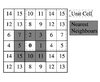
A Fast Multipole Method for the Bessel potential
Marc Molinari, Simon Cox (Investigators), Neil O'Brien
The fast multipole method (FMM) proposed by Greengard and Rokhlin provides a method by which the O(N-squared) many-body problem can be reduced to O(N) complexity. In this project, a multipole method is developed to calculate the energy of a system of vortices in a high temperature superconductor, where the many-body interactions give rise to rich and complex physics. The method developed here is suitable for systems where the interactions are governed by a Bessel potential rather than the usual logarithmic potentials occurring in gravitational and electrostatic problems. We derive and apply vectorised forms of the Gegenbauer addition formulae in order to achieve the O(N) scaling associated with fast multipole methods.
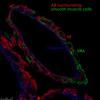
A Mathematical Analysis of the Driving Force of Perivascular Drainage in the Brain
Giles Richardson, Roxana-Octavia Carare (Investigators), Alexandra Diem
The observation that solute drainage in the brain occurs in the reverse direction of the blood flow has for a long time been puzzling for researchers. We developed a simple analytical model that can explain this reverse drainage of solutes and has potential implications for the development of treatment for Alzheimer's Disease.

A novel method for monitoring air pollution from satellites at very high resolution
Joanna Nield, Jason Noble, Edward Milton (Investigators), Robin Wilson
Developing methods to monitor the clarity of the atmosphere from satellites at 100,000 times the resolution of previous methods. This can then be used to monitor air pollution, correct satellite images and provide data for climate studies. Simulation is used to model the effects of atmospheric pollution on light passing through the atmosphere, and to test the method under 'synthetic atmospheres'.

A step toward establishing minimum requirement for CFD modelling of dispersion from floating roof tanks
Zheng-Tong Xie, Ian Castro (Investigators)
It is of great importance to estimate an emission flux (due to leaking from an oil tank) from near field wake, which requires a better understanding of vortex shedding from the tank, in particularly in how the low frequency motion behaves. Large-eddy simulation approaches embedded in up-to-date CFD package will be used for this purpose. This project has a strong link with Concawe and U Surrey.
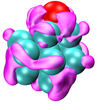
Ab initio simulations of chemical reactions on platinum nanoparticles
Chris-Kriton Skylaris (Investigator), Álvaro Ruiz-Serrano, Peter Cherry
•Use first principles calculations to study the relationship between shape and size of nanoparticle and the oxygen adsorption energy.
• Investigate the effect of high oxygen coverage on the catalytic activity of the nanoparticles.
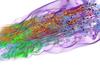
Advanced modelling for two-phase reacting flow
Edward Richardson (Investigator)
Engine designers want computer programs to help them invent ways to use less fuel and produce less pollution. This research aims to provide an accurate and practical model for the injection and combustion of liquid fuel blends.
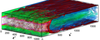
Advanced simulation tools for prediction of flash-back in hydrogen-rich gas turbine combustion
Edward Richardson (Investigator), James Bailey
The project involves the numerical simulation of hydrogen-rich flows using Direct Numerical Simulation (DNS) and Large Eddy simulations. Hydrogen rich fuels offer the opportunity to reduce the carbon intensity of energy supply. Hydrogen-rich fuels and other low-carbon energy sources are expect to become increasingly important in this regard. Hydrogen is more reactive and diffusive than conventional hydrocarbon fuels requiring advanced computational methods to optimise the use of these fuels in gas turbines.
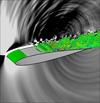
Aerofoil noise
Richard Sandberg (Investigator)
High-performance computing is used to identify noise sources on aerofoils.
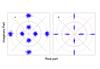
All-Optical Phase Regeneration of Fiber Optic Communication Signals
Peter Horak (Investigator), Graham Hesketh
All-optical phase regeneration uses a process known as four-wave mixing in a nonlinear optical fiber to carefully mix light with a communication signal in such a way that it cancels transmission noise in the the signals phase, increasing the distance over which the signal can be transmitted. New regenerator designs are presented that suppress phase to amplitude noise conversion and performance is simulated using a supercomputer to assist experimental investigation.
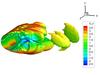
Assessment of the performance of novel RANS and hybrid turbulence models on the flow around a cylinder
Manuel Diaz Brito
The turbulent flow around a circular cylinder is a widely studied problem in fluid dynamics. At a certain characteristic Reynolds numbers the development of a turbulent wake occurs simultaneously with separation of the laminar boundary layer. The mechanisms defining this critical flow state are very complex to predict computationally. In this project the suitability of novel non-linear eddy viscosity closures and a hybrid Flow Simulation Methodology formulation to face these massively separated flows is studied. The flow predicting capabilities of the baseline EASM, ?-?-EASM and FSM-?-?-EASM tested are contrasted with the industrial renowned k-?-SST turbulence model. In the visualisation of the results it is evident that the ?-?-EASM has greater flexibility estimating the components of the Reynolds stresses with respect to the baseline EASM and the k-?-SST. Although dome differences are observed, the prediction of the critical flow around a cylinder is not accurately achieved by any of these RANS models, but the FSM-?-?-EASM shows great resemblance with the validation data, demonstrating capabilities of resolving very complex flow phenomena with minimum user input if the computational grid is fine enough. In order to demonstrate even greater advantages of non-linear models it was postulated that the addition of a streamwise impinging vortex hitting the leading edge of the cylinder would make the flow field fully three-dimensional. First attempts were tried in this route but time constraints limited the ultimate scope of the present work.

ASTRA Avionics Testbed
Andras Sobester, James Scanlan (Investigators), Christopher Crispin
This project aims to create a platform for testing programs built to enhance the autopilots decision making. To make this possible a payload bay was built into an existing airframe using additive manufacture. For the purpose of this particular project the Odroid on board will be used to pass waypoints or control decisions to the autopilot so a space-filling trajectory, determined via Genetic Programing, can be flown.
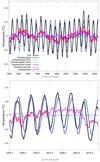
Atlantic ocean meridional heat transport at 26oN: Impact on subtropical ocean heat content variability
Robert Marsh (Investigator), Maike Sonnewald
Local climate is significantly affected by changes in the oceanic heat content on a range of timescales. This variability is driven by heat fluxes from both the atmosphere and the ocean. In the Atlantic the meridional overturning circulation is the main contributor to the oceanic meridional heat transport for latitudes south of about 50? N. The RAPID project has been successfully monitoring the Atlantic meridional overturning at 26? N since 2004. This study demonstrates how this data can be used to estimate the basin-wide ocean heat content in the upper 800 m between 26? N to 36? N. Traditionally the atmosphere is seen to dominate the ocean heat content variability. However, previous studies have looked at smaller areas in the Gulf Stream region, finding that the ocean dominates deseasoned fluctuations of ocean heat content, while studies of the whole North Atlantic region suggest that the atmosphere may be dominant. In our study we use a box-model to investigate fluctuations of the ocean heat content in the subtropical North Atlantic between 26? N and 36? N. The box-model approach is validated using 19 years of high resolution GCM data. We find that in both the GCM and RAPID based data the ocean heat transport dominates the deseasoned heat content variability, while the atmosphere’s impact on the heat content evolution stabilizes after 6 months. We demonstrate that the utility of the RAPID data goes beyond monitoring the overturning circulation at 26? N, and that it can be used to better understand the causes of ocean heat content variability in the North Atlantic. We illustrate this for a recent decrease in ocean heat content which was observed in the North Atlantic in 2009 and 2010. Our results suggest that most of this ocean heat content reduction can be explained by a reduction of the meridional ocean heat transport during this period.
Automated selection of suitable atmospheric calibration sites for satellite imagery
Robin Wilson, Edward Milton (Investigators)
Ground calibration targets (GCTs) play a vital role in atmospheric correction of satellite sensor data in the optical region, but selecting suitable targets is a subjective and time- consuming task. This project is developing methods to automatically select suitable GCTs, using a combination of remotely sensed multispectral and topographic data.
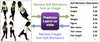
Automatic Image Retrieval with Soft Biometrics for Surveillance
Mark Nixon, John Carter (Investigators), Daniel Martinho-Corbishley
We're investigating ways to automatically describe and identify pedestrians from surveillance footage using human understandable, soft biometric labels. Our goal is to enable surveillance operators to search for pedestrians in a video network using soft biometric descriptions, and to automatically retrieve these descriptions from CCTV images.

B-meson coupling with relativistic heavy quarks
Jonathan Flynn (Investigator), Ben Samways, Dirk Broemmel, Patrick Fritzsch
We non-perturbatively compute the coupling between B* and B pi meson states relying on relativistic heavy quarks and domain wall light fermions. The coupling is of importance for an effective description of hadronic heavy meson decays.
BRECcIA - Building REsearch Capacity for sustainable water and food security In sub-saharan Africa
The BRECcIA project is aimed at developing research and researchers to understand water and food security challenges in sub-Saharan Africa
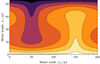
Can the principle of Maximum Entropy Production be used to predict the steady states of a Rayleigh-Bernard convective system?
Kevin Oliver, Iain Weaver, James Dyke (Investigators)
The principle of Maximum Entropy Production (MEP) has been successfully used to reproduce the steady states of a range of non-equilibrium systems. Here we investigate MEP and maximum heat flux extremum principles directly via the simulation of a Rayleigh-Bérnard convective system implemented as a lattice gas model.
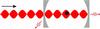
Cavity-Mediated Cooling
Peter Horak, Timothy Freegarde (Investigators), Andre Xuereb
Optical resonators enhance the interaction of light with matter while simultaneously acting as a temporal buffer. Both effects can be exploited to generate light-induced friction, or cooling, forces on atoms, molecules, or micromirrors. We investigate various aspects of these effects through numerical simulations, assisted by approximate analytical models, in this EPSRC and ESF sponsored project.

Centre for Doctoral Training in Next Generation Computational Modelling
Hans Fangohr, Ian Hawke, Peter Horak (Investigators), Susanne Ufermann Fangohr, Thorsten Wittemeier, Kieran Selvon, Alvaro Perez-Diaz, David Lusher, Ashley Setter, Emanuele Zappia, Hossam Ragheb, Ryan Pepper, Stephen Gow, Jan Kamenik, Paul Chambers, Robert Entwistle, Rory Brown, Joshua Greenhalgh, James Harrison, Jonathon Waters, Ioannis Begleris, Craig Rafter
The £10million Centre for Doctoral Training was launched in November 2013 and is jointly funded by EPSRC, the University of Southampton, and its partners.
The NGCM brings together world-class simulation modelling research activities from across the University of Southampton and hosts a 4-year doctoral training programme that is the first of its kind in the UK.
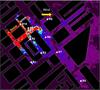
CFD for urban environments
Zheng-Tong Xie, Ian Castro (Investigators), Venkata Boppana
As part of the NERC’s National Centre for Atmospheric Science, we are continuing on the modeling of wind flows around buildings and through streets, and the consequent dispersion of pollutants and heat transfer.
In collaboration with CD-adapco, one of the ‘big three’ CFD code vendors.
Chaotic Analysis of Partial Discharge
Paul Lewin (Investigator), Lyuboslav Petrov
The deterministic character of PD pulses predicted by theory has been shown to be existent for certain PD events. Finding characteristic patterns in phase space enables field-data PD detection with high reliability.

Chip Implementation of a Signal Detector for a Multiple-Input Multiple-Output (MIMO) Wireless System
Mark Zwolinski, Basel Halak, Mohammed El-Hajjar (Investigators), Ibrahim Bello
We implement an Application Specific Integrated Circuit (ASIC) for the signal detection of a MIMO receiver.
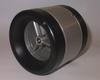
Complexity in Modelling Electric Marine Propulsive Devices
Suleiman Sharkh, Neil Bressloff, Hans Fangohr (Investigators), Aleksander Dubas
This project involves the simulation of turbulent flow around a marine rim-driven thruster and the complex interaction of flow features involved through computational fluid dynamics. Following this, the optimisation of design parameters using computational fluid dynamics to calculate the objective function is performed and surrogate modelling utilised to estimate optimum design configuration.
Computational chemistry study on the interaction mechanism of imidazolium based ionic liquid lubricants with metal surface
Ugur Mart (Investigator)
We propose a fundamental research to investigate the interaction mechanism of ionic liquids (ILs) with metal surfaces, molecular structure and organization on the surface along with chemical reactions using computational chemistry methods at molecular level.
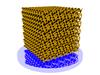
Computational electromagnetic modelling of 3D photonic structures
Marc Molinari, Darren Bagnall, Simon Cox (Investigators), Asa Asadollahbaik, Elizabeth Hart
Nano-structured materials can provide very specific and often very special optical effects which can be exploited for a large range of optical applications including wavelength filters, LEDs, micro-lasers, HDTV, solar-cell coatings, optical high-Q fibres, diffraction gratings, polarisation devices, optical switches, etc. This research in “Computational Electromagnetic Modelling of 3D Photonic Structures” aims to address the need for accurate and fast three-dimensional modelling, simulation and analysis processes in the photonics industry. A FEM/FDTD software suite will be developed to simulate Maxwell’s field equations and thin-film quantum effects (plasmons) in the visible and near-infrared EM frequency spectrum. The results obtained from running the software on suitable compute clusters will then be compared to the analysis results of experimentally manufactured materials. We will investigate structures occurring in nature such as iridescent butterfly wings, white/black reflecting beetle shells, etc., and aim to optimise artificially designed structures with periodic, quasi-periodic and random configurations.

Computational Fluid Dynamics of Compressor Blades Within a Gas Turbine Engine (HiPSTAR)
Richard Sandberg (Investigator), John Leggett
As modern engines become more and more efficient, the importance of understanding the finer details of the physics involved grows, if further gains are to be achieved. In such harsh enviroments, such as within a gas turbine engine, there are few means of studying them physicaly and we are left with little choice but to use super computers to model the flow.
Computational Methods for Aircraft Noise Prediction
Gwenael Gabard (Investigator), Albert Prinn
The aim of this project is to develop and test an efficient flow acoustics solver based on the finite element method and the potential flow theory.
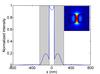
Continuously Tunable Optical Buffer
Peter Horak (Investigator)
The project aims to design, fabricate and test a novel integrated all-optical buffer device that is based on MEMS technology and provides a continuously tunable delay for optical pulses over a broad wavelength region. Such a device could play a crucial role in future packet-switched optical networks, photonic integrated circuits and coherent light based applications such as optically steered phase array antennas, LIDAR and optical coherence tomography.
This EPSRC funded project is a collaboration between the Optoelectronics Research Centre, Southampton, and University College London.
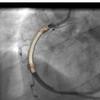
Coronary Artery Stent Design for Challenging Disease
Neil Bressloff (Investigator), Georgios Ragkousis
In this work, a method has been setup to (i) reconstruct diseased patient specific coronary artery segments; (ii) use the new supercomputer to run many simulations of this complex problem and (iii) assess the degree of stent malapposition. The aim now is to devise a stent delivery system that can mitigate this problem

Cosmological evolution of supermassive black holes in the centres of galaxies
Anna Kapinska (Investigator)
Radio galaxies and quasars are among the largest and most powerful single objects known and are believed to have had a significant impact on the evolving Universe and its large-scale structure. Their jets inject a significant amount of energy into the surrounding medium, hence they can provide useful information in the study of the density and evolution of the intergalactic and intracluster medium. The jet activity is also believed to regulate the growth of massive galaxies via the AGN feedback. In this project, through the use of numerical simulations, I explore the intrinsic and extrinsic physical properties of the population of Fanaroff-Riley II (FR II) objects, i.e. their kinetic luminosities, lifetimes, and central densities of their environments. This allows one to investigate evolution of these radio sources across cosmic time, and to discuss the significance of the impact of these sources on the evolving Universe.
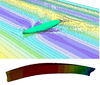
Coupled Fluid-Structure Interaction to model Three-Dimensional Dynamic Behaviour of Ships in Waves
Pandeli Temarel, Zhi-Min Chen (Investigators), Puram Lakshmynarayanana
In the present study we focus our attention on fluid-structure interactions (FSI) of flexible marine structures in waves by coupling a fluid solver using Computational Fluid Dynamics (CFD) and a structural solver using Finite Element Analysis (FEA) software.
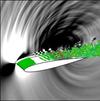
Coupled multi-scale simulation of high Reynolds number airfoil flows
Neil Sandham, Nicola De Tullio (Investigators), David Lusher
Application of multi-scale nested direct numerical simulations to high Reynolds number aerofoil flows.
Design of Forward Fins on Starship
Investigating the design of SpaceX's Starship concept and as to why that design was selected.
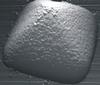
Designer 3D Magnetic Mesostructures
Hans Fangohr (Investigator), Matteo Franchin, Andreas Knittel
A new electrodeposition self-assembly method allows for the growth of well defined mesostructures. This project's aim is to use this method in order to fabricate supraconducting and ferromagnetic mesostructures. Numerical methods based on well-established models are used in order to characterise the grown structures.
Development of a novel Navier-Stokes solver (HiPSTAR)
Richard Sandberg (Investigator)
Development of a highly efficient Navier-Stokes solver for HPC.
Development of wide-ranging functionality in ONETEP
Chris-Kriton Skylaris (Investigator), Jacek Dziedzic
ONETEP is at the cutting edge of developments in first principles calculations. However, while the fundamental difficulties of performing accurate first-principles calculations with linear-scaling cost have been solved, only a small core of functionality is currently available in ONETEP which prevents its wide application. In this collaborative project between three Universities, the original developers of ONETEP will lead an ambitious workplan whereby the functionality of the code will be rapidly and significantly enriched.
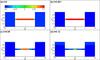
Diffusion at solute/solvent interfaces
Anatoliy Vorobev (Investigator), Ruilin Xie
We aim to develop the theoretical model that would provide an accurate description for the mixing process of two miscible liquids, and, in particular, would reproduce our experimental optical observations. The model based on the phase-field (Cahn-Hilliard) approach is adopted for the mixture of two miscible liquids. The model takes into account the surface tension effects, the non-Fickian diffusion across the liquid/liquid interface, and hydrodynamic flows that might be generated near the interface by the concentration gradients.
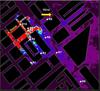
DIPLOS - Dispersion of Localised Releases in a Street Network
Trevor Thomas, Ian Castro (Investigators)
The security threat level from international terrorism, introduced by the UK Security Service, has been classified as either "severe" or "critical" for much of its six-year history, and currently remains as "substantial" (source: MI5 website). Part of the risk posed by terrorist threats involves potential releases of air-borne chemical, biological, radiological or nuclear (CBRN) material into highly populated urbanised areas. Smoke from industrial accidents within or in the vicinity of urban areas also pose risks to health and can cause widespread disruption to businesses, public services and residents. The Buncefield depot fire of 2005 resulted in the evacuation of hundreds of homes and closure of more than 200 schools and public buildings for two days; consequences would have been much more severe if prevailing meteorological conditions had promoted mixing or entrainment of the smoke plume into the urban canopy. In both these scenarios it is crucial to be able to model, quickly and reliably, dispersion from localised sources through an urban street network in the short range, where the threat to human health is greatest. However, this is precisely where current operational models are least reliable because our understanding and ability to model short-range dispersion processes is limited. The contribution that DIPLOS will make is:
1. to fill in the gaps in fundamental knowledge and understanding of key dispersion processes,
2. to enable these processes to be parametrized for use in operational models,
3. to implement them into an operational model, evaluate the improvement and apply the model to a case study in central London
Most of the existing research on urban dispersion has focused on air quality aspects, with sources being extensive and distributed in space. Scientifically, this research is novel in focusing on localized releases within urban areas, and on dispersion processes at short range. Through a combination of fundamental studies using wind tunnel experiments and high resolution supercomputer simulations, extensive data analysis and development of theoretical and numerical models, DIPLOS will contribute to addressing this difficult and important problem from both a scientific research and a practical, operational perspective.
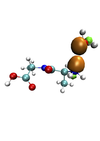
Dipole moment and theoretical spectroscopy: a computational approach
Chris-Kriton Skylaris (Investigator), Valerio Vitale
The present project represents a first step towards the implementation of a new technique to calculate the whole vibrational spectra of molecules in a formally exact way, which fully takes into account anharmonicity and conformational transitions, at a finite temperature, both in gas phase and in solution in a single ab initio molecular dynamics simulation.

Direct Numerical Simulations of transsonic turbine tip gap flow
Richard Sandberg (Investigator)
Direct Numerical Simulations are conducted of the transsonic flow through the tip gap at real engine conditions.

Directing magnetic skyrmion traffic flow with nanoscale patterning.
Hans Fangohr (Investigator), Mark Vousden
Skyrmions in magnetic nanostructures may lead to new data storage technologies. Appropriate simulation methodologies are developed and applied.
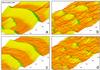
Discrete ECogeomorphic Aeolian Landscape (DECAL) modelling
Joanna Nield (Investigator)
DECAL is a cellular automaton based model which incorporated mutual feedback processes between geomorphic forcing and ecological growth to investigate fundamental controls, self-organising and non-linear behaviour in semi-arid aeolian dune environments. This project explores landscape evolution and disturbance response, developing a phase-space in which dune fields can be quantified.

Dispersion of Small Inertial Particles in Characteristic Atmospheric Boundary Layer Flows
Zheng-Tong Xie (Investigator), Thorsten Wittemeier
This project aims at improving the near-field accuracy of short term predictions of the dispersion of particulate matter in the atmospheric boundary layer. For this purpose a variety of LES and DNS modelling approaches is used.
Dynamag: computational magnonics
Hans Fangohr, Atul Bhaskar (Investigators), Matteo Franchin, Andreas Knittel
Analytical treatment of long range magneto-dipole interactions is a bottle-neck of magnonics and more generally of the theory of spin waves in non-uniform media. This project develops a theoretical framework for analysis of magnonic phenomena in magnetic nano-structures, including isolated nano-elements, arrays of those, and extended magnonic crystals. The DYNAMAG project is funded by the EU FP7 and the DST of India.
Dynamics of interacting magnetic nanoparticles
Thomas Fischbacher (Investigator), Maximilian Albert
The project aims at extending the micromagnetic simulation framework 'nmag' developed at the University of Southampton to enable it to handle dynamic geometries. The extended framework will then be used to study systems such as interacting magnetic nanoparticles.
Dynamics of interacting magnetic nanostructures
Hans Fangohr (Investigator), Maximilian Albert
Individual ferromagnetic objects of dimensions of order of 100nm provide a wealth of complex phenomena, both in static and dynamic behaviour. This project focuses on the dynamics of interacting ferromagnetic nano structures.
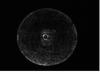
Dynamics simulations for quantum feedback to steer a single-particle harmonic oscillator in non-classical states
Hendrik Ulbricht (Investigator), Ashley Setter
This PhD project is about using digital electronics to implement a parametric feedback loop to modulate the intensity of an optical trapping laser in order to stabilise/cool the centre of mass motion of a nanoparticle. It is then intended we use digital parametric feedback to drive the motion of the particle, which is essentially a quantum harmonic oscillator, into non-classical quantum states such as squeezed and number states.
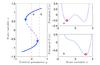
Early warning signals in climate data
Kevin Oliver, James Dyke (Investigators), Maike Sonnewald
Paleoclimatic records reveal that the Earth’s climate system has undergone sharp transitions between
states. Much work has recently been devoted to assessing how likely the current climate is to undergo such a sharp transition. This is motivated by the severe socioeconomic consequences such dramatic changes would entail. Thus, predicting iminent transitions would be very valuable. This review provides an overview of two promising techniques which could potentially be used to assess the stability of components of the climate system. These techniques are degenerate fingerprinting and detrended fluctuation analysis (DFA). It is found that degenerate fingerprinting is more widely used, but that DFA could be more suitable. DFA allows for memory in the time-series, and can give better results with less data. However, the DFA technique is best suited for systems close to the transitions, and relies on calibration with the degenerate fingerprinting technique further from the transition. Applying these techniques to forecast transitions is unfortunately impeded by lack of suitable data. Using data from several sources could overcome this. Thus, the techniques could be very valuable if the use of unevenly spaced data from several sources does
not lead to serious loss off accuracy. However, the techniques are still very useful when assessing underlying dynamics in model output and paleooceanographic time-series.

Eddy-resol?ving Simulation?s for Turbomachi?nery Applicatio?ns
Richard Sandberg (Investigator), Li-Wei Chen
Traditionally, the design of turbomachinery components has been exclusively accomplished with steady CFD, with Reynolds Averaged Navier-Stokes (RANS) models being the predominant choice. With computing power continuously increasing, high-fidelity numerical simulations of turbomachinery components are now becoming a valuable research tool for validating the design process and continued development of design tool.
In the current project, Direct Numerical Simulations (DNS) and other eddy-resolving approaches will be performed of turbomachinery components to establish benchmark data for design tools, and to investigate physical mechanisms that cannot be captured by traditional CFD approaches.
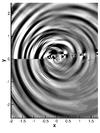
Effects of trailing edge elasticity on trailing edge noise
Richard Sandberg (Investigator), Stefan C. Schlanderer
This work considers the effect of trailing edge elasticity on the acoustic and hydrodynamic field of a trailing edge flow. To that end direct numerical simulations that are fully coupled to a structural solver are conducted.
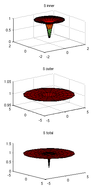
Efficient algorithms for liquid crystal alignment
Giampaolo D'Alessandro, Timothy Sluckin (Investigators)
We have developed an efficient algorithm to determine the liquid crystal alignment in the absence of defects. The aim of this project is to extend this algorithm to include defects.
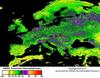
EuroSat4PhenoChanges. Using MERIS for monitoring phenology in Europe.
Peter Atkinson (Investigator), Victor Rodriguez Galiano
Monitoring vegetation phenology at multiple scales in Europe from the GMES satellite sensor time-series: a special consideration to natura2000 areas

Evaluation of Vortex Shedding effects on Slender Structures using Large-Eddy Simulation
Zheng-Tong Xie, Ian Castro (Investigators), Steven Daniels
Wind-induced vortex shedding on buildings is a main concern for the engineer, as this can lead to severe structural failures, or at the very least fatigue concerns. Wind tunnel testing of this effect is somewhat limited with the generation of turbulent flow, making the use of numerical techniques more appealing. Using Iridis3&4, Computational Fluid Dynamics has been employed to simulate the turbulent wind flow around tall buildings and bridge decks. The research proposes novel numerical techniques for the analysis of vortex induced effects on these structures for an effective use in industry.
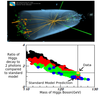
Exploring Higgs Boson Physics Beyond the Standard Model
Alexander Belyaev (Investigator), Marc Thomas
The Higgs Boson has recently been discovered at the Large Hadron Collider (LHC) at CERN. The purpose of this project is to look for signs of physics beyond the 'Standard Model' of particle physics by studying properties of this boson.
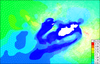
Feasibility Study of the Impacts of Proposed Tidal Array Installations in Channel Islands
Luke Blunden (Investigator), William Batten
Open source hydrodynamic modelling software TELEMAC is being used to see whether putting a large number of tidal turbines in the sea near a headland-associated sandbank will affect the feature's long term equilibrium.
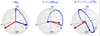
Fidelity optimisation in an atomic quantum computer
Timothy Freegarde (Investigator), Jack Saywell
Development of optimised composite pulses for atomic quantum computers with the aim of reducing systematic errors in information processing caused by variations in laser intensity and environment.
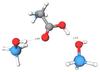
First Principles Simulation of Glycine Adsorption to Amorphous Silica
Chris-Kriton Skylaris (Investigator), Benjamin Lowe
Understanding the molecular interactions between silica and biomolecules is an important in the fields of Bionanotechnology, Biomimetic Material Science and Prebiotic Chemistry. DFT calculations were performed based on a literature study to better understand the interaction between silica and glycine.

Flow and sedimentation processes in submarine meandering channels
Stephen Darby (Investigator)
The overall aim of this project is to generate a step-change in our understanding of the interactions between flow,
morphology & sedimentology within an active submarine channel fed by saline density currents. This central aim will be addressed through a combination of field measurements and innovative numerical modelling of gravity current morphodynamics

Fluid Dynamics Optimisation of Rim-Drive Thrusters and Ducted Hydrokinetic Generators
Aleksander Dubas, Suleiman Sharkh (Investigators)
This is a Knowledge Transfer Partnership project is a collaboration between the University of Southampton and TSL Technology Ltd. to develop computational fluid dynamics software design tools for modelling and optimising the design of propeller thrusters and water turbine generators.
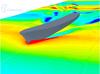
Fluid Loads and Motions of Damaged Ships
Dominic Hudson, Ming-yi Tan (Investigators), Christian Wood, James Underwood, Adam Sobey
An area of research currently of interest in the marine industry is the effect of damage on ship structures. Research into the behaviour of damaged ships began in the mid nineties as a result of Ro-Ro disasters (e.g. Estonia in 1994). Due to the way the Estonia sank early research mainly focused on transient behaviour immediately after the damage takes place, the prediction of capsize, and of large lateral motions. Further research efforts, headed by the UK MoD, began following an incident where HMS Nottingham ran aground tearing a 50m hole from bow to bridge, flooding five compartments and almost causing the ship to sink just off Lord Howe Island in 2002. This project intends to answer the following questions:
“For a given amount of underwater damage (e.g. collision or torpedo/mine hit), what will be the progressive damage spread if the ship travels at ‘x’ knots? OR for a given amount of underwater damage, what is the maximum speed at which the ship can travel without causing additional damage?”
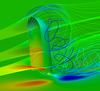
Fluid Structure Interactions of Yacht Sails
Stephen Turnock (Investigator), Daniele Trimarchi
The research is the main subject of the PhD topic. It regards the application of fluid structure interaction techniques to the domain of yacht sails simulation
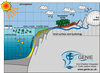
Generating Optimal Ensembles of Earth System Models
Simon Cox (Investigator), Elizabeth Hart, Andras Sobester
GENIE is an Earth system model of intermediate complexity. As with other climate models, the tuning of its parameters is essential for providing reliable long-term forecasts of Earth system behaviour. We apply a multi-objective optimization algorithm to the problem. The aim of the tuning exercise is to find the optimal values for the free parameters that produce and euqilibrium model end state with the closest fit to equivalent observational data.
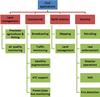
Generic Operational Simulation of Civil Unmanned Air Vehicle Operations
Hans Fangohr, James Scanlan (Investigators)
This project creates a generic operational simulation of Unmanned Air Vehicle Operations. UAVs can be valued for their mission-suitability and compared against various configurations.
Gravitational waves from neutron stars
Ian Hawke (Investigator)
Gravitational waves, once detected, will give information about the extremes of space and time. Compact objects such as neutron stars are perfect locations for generating such waves.
Hadronic structure on the computer
Jonathan Flynn (Investigator), Dirk Broemmel, Thomas Rae, Ben Samways
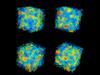
In experiments at the Large Hadron Collider (LHC) at CERN, Geneva, the interactions that occur between the colliding particles (protons in this case) can be factorised into a simple scattering between two constituent particles, called quarks, followed by a hadronisation process, which describes the dynamics of forming the bound proton states. Quarks are particles within the proton that bind to form composite particles (hadrons) such as a proton. The scattering process can be computed relatively easily, but hadronisation is intrinsically non-perturbative and hard to calculate. Lattice QCD (computer simulation of QCD on a discrete space-time lattice) provides our only known first-principles and systematically-improvable method to address problems like hadronisation. This project uses Iridis to extract parton distribution amplitudes which are experimentally inaccessible, but needed to describe the quark structure of hadrons.
High-resolution shock-capturing (HRSC) methods for elastic matter in general relativity
Carsten Gundlach, Ian Hawke, Stephanie Erickson (Investigators)
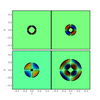
We are designing HRSC methods for numerical simulation of elastic matter coupled to general relativity and later magnetic fields, with the ultimate aim of simulating old neutron stars, which have elastic crusts.
Homogenisation of liquid crystal colloids
Giampaolo D'Alessandro, Keith Daly (Investigators), Thomas Bennett
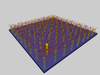
We use homogenization thoery to obtain macroscopic governing equations for nematic liquid crystals that host arbitrarily shaped nano particles.
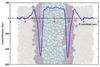
How far can we stretch the MARTINI?
Syma Khalid (Investigator), Ric Gillams
To date, coarse-grained lipid models have generally been parameterised to ensure the correct prediction of structural properties of membranes, such as the area per lipid and the bilayer thickness. The work described here explores the extent to which coarse-grained models are able to predict correctly bulk properties of lipids (phase behaviour) as well as the mechanical properties, such as lateral pressure profiles and stored elastic stress in bilayers. Such an evaluation is crucial for understanding the predictive capabilities of coarse-grained models.

How sensitive is ocean model utility to resolution?
Kevin Oliver (Investigator), Maike Sonnewald
One of the most intriguing problems in recent ocean modeling research is the impact of varying model resolution on model accuracy. Increasing model resolution one includes more of the important processes. However, the increase in accuracy with resolution is unlikely to be linear. Thus, as computational cost increases with resolution, a critical assessment of achieved benefits is prudent. Here we analyse a suite of realistic and compatible global ocean model runs from coarse (1o, ORCA1), eddy-permitting (1/4o, ORCA025) and eddy resolving (1/12o, ORCA12) resolutions. Comparisons of steric height variability (varSH) highlight changes in ocean density structure, revealing impacts on mechanisms such as downwelling and eddy energy dissipation. We assess vertical variability using the covariace of the deep and shallow varSH. Together with assessing isopycnal movements, we demonstrate the influence of deep baroclinic modes and regions where the barotropic flow sheds eddies. Significant changes in the deepwater formation and dispersion both in the Arctic and Antarctic are found between resolutions. The varSH increased from ORCA1 to ORCA025 and ORCA12, particularily in the Southern Ocean and Western Boundary Currents. However, there is no significant covariance between the surface and deep in ORCA1, while ORCA025 and ORCA12 show significant covariance, implying an important missing energy pathway in ORCA1. Comparing ORCA025 and ORCA12 we see significant differences in eddy energy dissipation. We assess the impact of varying model resolution on the mean flow, discussing implications to dissipation pathways on model accuracy, with reference to stochastic parameterisation schemes.
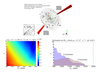
Hunting for Walking Technicolor at the LHC
Alexander Belyaev (Investigator), Azaria Coupe
Now that the LHC experiment at CERN has observed the Higgs boson, the final piece of the particle physics theory called the Standard Model, the focus of theoretical and experimental physicists shifts to what could possibly be discovered next. Phenomenologists, such as myself, straddle this line between theory and experiment, comparing the many theories of physics Beyond the Standard Model to whatever the LHC discovers, even drawing conclusions from what it doesn’t discover. I focus on a theory called Walking Technicolor (WTC), what the LHC would see if it were correct, and what the lack of discovery so far means for the fate of WTC.
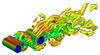
Hybrid RANS/LES methods
Richard Sandberg (Investigator), Markus Weinmann
Novel hybrid RANS/LES methods are developed for more accurate and efficient simulation of flow over complex geometries.
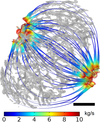
Image Based Modelling of Fluid Flow through Lymph Nodes
Tiina Roose, Bharathram Ganapathisubramani, Geraldine Clough (Investigators), Laura Cooper
In this project we are using images of mouse lymph nodes to investigate the fluid transport pathways through it. The images of the nodes are taken using selective plane illumination microscopy, and synchrotron micro computed tomography. The fluid flow is modelled using Darcy's law in COMSOL Multiphysics and the models are run on the Iridis cluster.
Imaging ultrasonic Lamb wave patterns
Visualizing ultrasonic Lam wave patterns using deflectometry and comparison with multiphysics FE results.
Impacts of Climate and Sea-Level Change on Coastal Gullies
Stephen Darby (Investigator), Chris Hackney, Julian Leyland
Content to follow
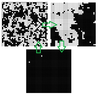
Introducting Defects into the Ising Model
Benjamin Lowe
The well-known Ising model, a model of emergent critical phenomenon and phase transitions, was reimplemented and extended to incorporate the study of defects in the lattice.
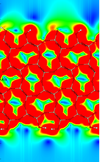
Investigation into the Interfacial Physics of Field Effect Biosensors
Nicolas Green, Chris-Kriton Skylaris (Investigators), Benjamin Lowe
This interdisciplinary research aims to improve understanding of Field Effect Transistor Biosensors (Bio-FETs) and to work towards a multiscale model which can be used to better understand and predict device response.
Investigation of acoustic radiation forces on micro-particles and cells in ultrasonic particle manipulation
Martyn Hill (Investigator), Puja Mishra
A Finite Element model is developed to investigate the force generated on a particle of arbitrary geometry and composition in a sound field. The model overcame the drawbacks of existing analytical solutions of size restriction and provided the flexibility of particle representation. This suggested useful results on shape dependency, effect of elasticity of particle and dominancy of nucleus in a cell in estimating the force on a single particle.
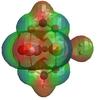
Investigation of gas adsorption of metal-organic frameworks using quantum mechanics and Monte Carlo simulation
Jia Huo (Investigator)
Metal organic frameworks (MOFs) has received much attention in the field of gas storage/separation, catalysis, etc, due to their highly ordered porosity, high surface area, multi functionality, chemically talorability and high loading of meta sites. Experimental method has contributed to these areas, but there are still plenty of problems not solved solely from experiment, including investigation of mechanism of adsorption and screening MOFs for target-specific applications. In this project, we plan to use quantum mechanics and Monte Carlo simulation to investigate the various guest adsorption properties on MOFs to screen the substrates catalysed by active sites within MOFs and the influence of transition metal sites of MOFs on gas adsorption for design of MOFs with high gas storage capacity.
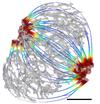
Investigations of Lymphatic Fluid Flow
Tiina Roose, Bharathram Ganapathisubramani, Geraldine Clough (Investigators), Laura Cooper
The lymphatic system performs three main roles returns interstitial fluid back into the blood stream to maintain tissue fluid homeostasis. The aim of this project is to increase our understanding of how the lymph flows through the system by creating three dimensional fluid structure interaction models of the secondary lymphatic valves and image based models of lymph nodes.
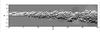
Is fine-scale turbulence universal?
Richard Sandberg (Investigator), Patrick Bechlars
Complementary numerical simulations and experiments of various canonical flows will try to answer the question whether fine-scale turbulence is universal.
Is the decline in East African lesser flamingo population a natural concequence of soda ake dynamics?
Seth Bullock
An interdisciplinary approach using palaeoenvironmental data analysis and a modelling is being used investigate the dramatic fluctuations in conditions in the East African Rift Valley soda lakes, and how these changes may be impacting the lesser flamingo population.
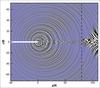
Jet noise
Richard Sandberg (Investigator), Neil Sandham
Direct numerical simulations are used to investigate jet noise.

Kaon to two pion decays in lattice QCD
Jonathan Flynn (Investigator), Elaine Goode, Dirk Broemmel
We calculate kaon decay amplitudes on the lattice so we may compare the Standard Model to experiment.
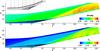
Laminar to Turbulent Transition in Hypersonic Flows
Neil Sandham, Heinrich Luedeke
Understanding of laminar to turbulent transition in hypersonic boundary-layer flows is crucial for re-entry vehicle design and optimization. The boundary-layer state directly affects the temperatures on the vehicle surface and its viscous drag. Therefore transition has to be considered to correctly compensate for drag and to properly design the thermal protection system.
For the proposed study, in order to obtain a clear understanding of the transition process, the configuration is kept as simple as possible by varying only a minimum number of parameters affecting transition on a simple test geometry such as a swept ramp at different sweep angles. To investigate the influence of such sweep angles on the transition process in the hypersonic regime, Direct Numerical Simulations (DNS) of the turbulent flow field are carried out on the Iridis cluster.
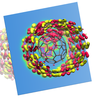
Large-Scale Quantum Chemistry Simulations of Organic Photovoltaics
Chris-Kriton Skylaris (Investigator), Gabriele Boschetto
The aim of this project is to use first principles quantum mechanical calculations to provide a detailed atomic-level understanding of OPV materials and models of bulk heterojunctions on a far larger scale than possible before by using the ONETEP program for linear-scaling first principles quantum mechanical calculations.
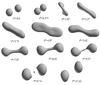
Laser-Induced Forward Transfer Nano-Printing Process - Multiscale Modelling, Experimental Validation and Optimization
Kai Luo, Rob Eason (Investigators)
LIFT is a direct-write microfabrication and micro/nano printing technique that has received much attention in the research communities and industries in recent years. It offers significant advantages over other competing printing methodologies and has potential applications in many high-tech high-value industries. The method is modelled, studied and optimised using computational techniques in this work.
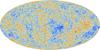
Lattice Holographic Cosmology
Andreas Juttner (Investigator), Matthew Mostert
This project will aim to develop new theoretical field methods and massively parallel computational algorithms to be utilised on both new computational architectures (e.g. Intel Xeon Phi) and existing high performance computers (HPCs).
The ultimate goal is to make predictions for the power spectrum and non-gaussianties of the CMB which would then be falsifiable by comparison to the Planck and WMAP data.
Lattice Holographic Cosmology
This project will aim to develop new theoretical field methods and massively parallel computational algorithms to be utilised on both new computational architectures (e.g. Intel Xeon Phi) and existing high performance computers (HPCs).
Lattice Holographic Cosmology
This project will aim to develop new theoretical field methods and massively parallel computational algorithms to be utilised on both new computational architectures (e.g. Intel Xeon Phi) and existing high performance computers (HPCs).
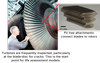
Life assessment methods for industrial steam turbine blade to disc interfaces
Katherine Soady (Investigator)
This is an EngD project sponsored by E.ON New Build and Technology Ltd. which aims to develop the methods currently implemented in life assessment of industrial steam turbine blade to disc interfaces to take account of the surface treatment process (shot peening) which is applied to component before service and after repair.
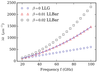
Magnetic dynamics under the Landau-Lifshitz-Baryakhtar equation
Hans Fangohr (Investigator), Weiwei Wang
Magnetic dynamics using the Landau-Lifshitz-Baryakhtar (LLBar) equation that the nonlocal damping is included as well as the scalar Gilbert damping.
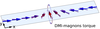
Magnon-Driven Domain-Wall Dynamics in the presence of Dzyaloshinskii-Moriya Interaction
Hans Fangohr (Investigator), Weiwei Wang
The domain wall motion induced by spin waves (magnons) in the presence of Dzyaloshinskii-Moriya Interaction is studied in this project.
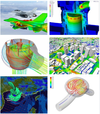
Massively-Parallel Computational Fluid Dynamics
Simon Cox, Stephen Turnock, Alexander Phillips (Investigators), James Hawkes
Computational Fluid Dynamics (CFD) is a numerical method for modelling fluid flows and heat transfer - and is used in many industries. It can be used to model dynamics around aircraft, ships and land vehicles; and also has uses in engine design, architecture, weather forecasting, medicine, computer-generated imagery (CGI) and much more. To harness the full power of CFD, it is necessary to utilise the full power of modern supercomputers. This project aims to improve the scalabilty of existing CFD codes so that more complex problems can be tackled efficiently.
Mathematical modelling of plant nutrient uptake
Tiina Roose (Investigator)
In this project I will describe a model of plant water and nutrient uptake and how to translate this model and experimental data from the single root scale to the root branching structure scale.
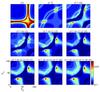
Measuring biomolecules - improvements to the spectroscopic ruler
Pavlos Lagoudakis, Tom Brown (Investigators), Jan Junis Rindermann, James Richardson
The spectroscopic ruler is a technique to measure the geometry of biomolecules on the nm scale by labeling them with pairs of fluorescent markers and measuring distance dependent non-radiative energy transfer between them. The remaining uncertainty in the application of the technique originates from the unknown orientation between the optical dipole moments of the fluorescent markers, especially when the molecule undergoes thermal fluctuations in physiological conditions. Recently we introduced a simulation based method for the interpretation of the fluorescence decay dynamics of the markers that allows us to retrieve both the average orientation and the extent of directional fluctuations of the involved dipole moments.

Meshless Methods for Photonic Crystal Modelling
Kamal Djidjeli, Marc Molinari, Simon Cox (Investigators), Neil O'Brien, Elizabeth Hart
We apply meshless methods to the problems of simulating photonic crystals. The meshless methods utilise compactly-supported radial basis functions (CSRBFs) and offer a promising alternative to the conventional plane-wave expansion method for calculating the band structure of photonic crystals.
Metagenomics: Understanding the impacts of environmental change on soil biodiversity
Richard Edwards, Gail Taylor (Investigators), Joseph Jenkins
Drought is expected to increase in prevalence by 2050. Similarly, the use of biochar (a charcoal based soil amendment) has been suggested as a method to sequester carbon and fertilize soils without need of mineral fertilizers, and its use is increasing. We are using next generation DNA sequencing technology and bioinformatics to determine bacterial genetic diversity from soil samples which have been subject to drought or biochar amendment, to further our understanding of the impacts of environmental change on microbial communities.
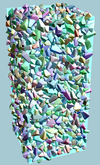
Micro-mechanics of Railway Ballast - The effect of particle shape
Antonios Zervos (Investigator), Matthew Potticary
This project is looking at the effect that different particle shapes have on the mechanical properties of railway ballast (and granular materials in general).
Shape is a fundamental property of a particle that is essential for understanding how particle-scale micro-structures form / evolve when subjected to a load.
To study these micro-structures, we use the Discrete Element Method
(DEM) to model each particle individually, recording the micro-mechanical data, to give an insight into why particles of differing shapes give rise to different behaviour.
Micromagnetic simulation of Magnetoelectric Multiferroics
Hans Fangohr (Investigator), Rebecca Carey
The focus of this project is towards the understanding of the magnetic and electric couplings in multiferroic materials, in order to create a magnetoelectric micromagnetic model.
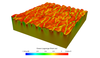
Microstructural modeling of skin mechanics
Georges Limbert (Investigator), Emanuele Zappia
Microstructural modeling of skin mechanics to gain a mechanistic insight into the biomechanics of the skin.
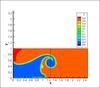
Miscible multiphase systems with phase transition
Andrea Boghi
We aim to develop the computational model for the miscible displacement of liquid occupying a porous bulk, as, for instance, in the processes of vegetable solvent extraction, soil remediation or enhanced oil recovery. All these process includes the dissolution of solute and the displacement of solution from porous media. The focus of our current research work is, therefore, twofold: (i) to develop and verify a theoretical model for an evolving miscible displacement, by taking into account dynamic surface tension and mass diffusion through the interphase boundary, and (ii) to provide a model for the solute/solvent displacement from the porous volume.
Mixed FEM-particle method for nonlinear fluid-structure interaction problems, with applications to maritime engineering
Kamal Djidjeli (Investigator)
Simulating fluid-structure interaction problems involving large flow motions and deformations using particle methods.
Modelling Macro-Nutrient Release & Fate Resulting from Sediment Resuspension in Shelf Seas
Chris Wood
This study involves adapting a previously-published model to take into account the effect resuspension events (both natural and anthropogenic) may have on nutrient dynamics at the sediment-water interface, and hence produce better estimates for the total nutrient budgets for shelf seas.
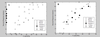
Modelling mechanoreceptor reaction to tissue deformation
Mark Taylor (Investigator), Gwen Palmer
This project involved the modelling of a piece of knee joint capsule, which will produce an electrical output when mechanically stimulated. The model is based on expermental work carried out by P. Grigg and A.H. Hoffman (1982).
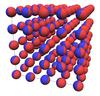
Modelling micromagnetism at elevated temperature
Hans Fangohr, Kees de Groot, Peter de_Groot (Investigators), Dmitri Chernyshenko
We aim to develop a multiscale multiphysics model of
micromagnetism at elevated temperatures with atomistic simulations for
material parameter. The tool will be used to guide the development of the next generation magnetic data storage technology: heat assisted magnetic recording.
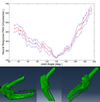
Modelling neuronal activity at the knee joint
Mark Taylor, Tiina Roose (Investigators), Gwen Palmer
The function of the knee joint is reliant on proprioception, which involves the response of nerve endings in the tissues at the joint. This project will be concentrating on the neuronal activity, caused by mechanical stimuli, of the more common receptors found at the knee (Ruffini, Paciniform, Golgi and Nociceptor).
There are three stages to this project:
1. Modelling the behaviour of each individual receptor, with the use of the Hodgkin-Huxley model [1].
2. These models will then be applied to the soft tissues around a knee, where a global deformation of the tissue will result in local stimulation of receptors.
3. The soft tissue models will then be applied to structures in the knee.
[1] - Hodgkin, A.L. and A.F. Huxley, A quantitative description of membrane current and its application to conduction and excitation in nerve. Journal of Physiology, 1952. 117: p. 500-544.
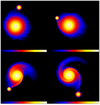
Modelling of neutron star interactions in X-ray binary systems
Malcolm Coe (Investigator), Rory Brown
Investigating the X-ray production mechanisms of binaries containing neutron stars and the decretion disks of Be stars using Smoothed Particle Hydrodynamics (SPH).
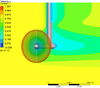
Modelling power output and wake effects in tidal stream turbine arrays
William Batten (Investigator), Matthew Harrison, Luke Blunden
The PhD research is regards the investigation of modelling techniques for simplifying turbine simulation so that models of large arrays can be investigated.
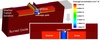
Modelling the Combined Effects of Total Ionizing Dose and Random Dopant Fluctuations in sub-100 nm gate-length Transistors
Kees de Groot (Investigator), Eleni Chatzikyriakou
The radiation hardness of state-of-the-art silicon-on-insulator transistors of gate length dimensions of 90 nm and beyond is investigated. The combined effects of oxide charges and random fluctuations of the dopant atoms in silicon are considered. It is demonstrated that a parasitic channel forms at the interface of buried oxide and shallow trench isolation regions of the device and that this effect is aggravated by random dopant fluctuations.
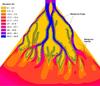
Modelling the morphodynamic evolution of the Ganges-Brahmaputra-Meghna (GBM) Delta over centennial time scales
Stephen Darby (Investigator), Balaji Angamuthu
Around 0.5 Billion people live in deltaic environments where they are threatened by flooding and land loss frequently. Yet, our understanding of the threats posed by land dynamic process remains limited. In this work, we try to address this issue through a land dynamic simulation of the largest and most populated of all the deltas, the GBM Delta, using the CFD software Delft3D for a range of climate change and management scenarios. The results provide new insight into the factors controlling past morphodynamics that, in turn, are helpful when assessing the possible trajectories of future evolution.
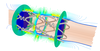
Multi-objective design optimisation of coronary stents
Neil Bressloff, Georges Limbert (Investigators), Sanjay Pant
Stents are tubular type scaffolds that are deployed (using an inflatable balloon on a catheter), most commonly to recover the shape of narrowed (diseased) arterial segments. Despite the widespread clinical use of stents in cardiovascular intervention, the presence of such devices can cause adverse responses leading to fatality or to the need for further treatment. The most common unwanted responses of inflammation are in-stent restenosis and thrombosis. Such adverse biological responses in a stented artery are influenced by many factors, including the design of the stent. This project aims at using multi-objective optimisation techniques to find an optimum family of coronary stents which are more resistant to the processes of in-stent restenosis (IR) and stent thrombosis (ST).
Multi-Scale Modelling of Composite Riser Systems
Adam Sobey (Investigator), Hossam Ragheb
There is an ever increasing interest in exploiting ocean resources at greater depths. At these depths composite materials have a larger separation, in terms of benefits, from traditional steel structures as they offer lower maintenance costs, low weight and high durability. However, there are limited current examples of using composites for these applications meaning that empirical knowledge and specific computational tools are limited. As an example of this lack of knowledge current design guidance gives fatigue safety factors in a range of 15-50. Development of more accurate computational tools will allow an increase in safety and/or reduction of the structure.
A key aspect to increasing the usage of flexible composite risers is the ability to assess the reliability of such structures. Importance Sampling Simulation is becoming the preferred method to assess structures which ideally requires a fast and accurate structural modelling method. Whilst Finite Element Methods can provide an accurate solution to these problems they are slow to run. It is therefore proposed to investigate the use of multiscale modelling to investigate the reliability of such structures. This will involve the development of: a full-scale model to be run in conjunction with fluid mechanics simulations, a higher resolution model to investigate the fatigue hotspot near the seabed and a more local model to simulate the fatigue growth.
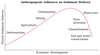
Multidecadal Sediment Fluxes to Deltas Under future Environmental Change Scenarios
Stephen Darby (Investigator), Frances Dunn
Coastal deltas, on which over half a billion people live worldwide, maintain elevation above sea level by retaining sediment on their surfaces. The aim of this research is to project future fluvial sediment delivery to 47 deltas under environmental change scenarios to assess the sustainability of deltas environments globally.
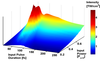
Multimode simulation of high power fibre lasers and amplifiers
Peter Horak (Investigator), Ioannis Begleris
This project aims to address the challenge of ever-increasing demand for higher powers from fibre lasers by developing theoretical and numerical methods to simulate laser pulse amplification in large-mode area fibres supporting multiple spatial modes.
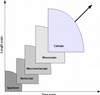
Multiscale Modelling of Cellular Calcium Signalling
Hans Fangohr, Jonathan Essex (Investigators), Dan Mason
Calcium ions play a vitally important role in signal transduction and are key to many cellular processes including muscle contraction and cell apoptosis (cell death). This importance has made calcium an active area in biomedical science and mathematical modelling.
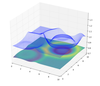
Multiscale modelling of neutron star oceans
Ian Hawke (Investigator), Alice Harpole
Type I X-ray bursts are explosions which occur on the surface of some
neutron stars. It is believed that the burning begins in a localised spot in the ocean of the
star before spreading across the entire surface. By gaining a better understanding of X-ray
bursts, it is hoped that tighter limits can be determined for other neutron star properties
such as the radius and magnetic field strength.
Multiscale models of magnetic materials at elevated temperatures
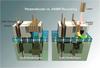
Denis Kramer (Investigator), Jonathon Waters
This project will develop and apply multi-scale modelling approaches to investigate thermal fluctuation effects in magnetic materials.

Multiscale Relativistic Simulations
Ian Hawke (Investigator), Alex Wright
There has been recent success in experiments, such as LIGO, in detecting the mergers of celestial objects via the gravitational waves they emit. By implementing numerical methods, we aim to speed up the numerical simulations of these events but up to two orders of magnitudes, and study binary inspirals in greater detail and over much larger timespans.

Multiscale Relativistic Simulations
There has been recent success in experiments, such as LIGO, in detecting the mergers of celestial objects via the gravitational waves they emit. I will use numerical methods to simulate the inspiral of a black hole/neutron star binary system.

MXL Project
Mark Taylor, Junfen Shi (Investigators)
‘MXL’ is short for “Enhanced patient safety by computational Modelling from clinically available X-rays to minimise the risk of overload and instability for optimised function and Longevity”. This is an international EU-funded project which the Bioengineering Sciences Research Group at Southampton is involved in. For more information, visit http://www.m-x-l.eu
nano-CMOS
Mark Zwolinski (Investigator), Michael Merrett
Modelling random device variations within systems using nano-CMOS technologies.

New Forest Cicada Project
Alexander Rogers, Geoff Merrett (Investigators), Davide Zilli, Oliver Parson
Rediscover the critically endangered New Forest cicada with crowdsourced smartphone biodiversity monitoring techniques.
Nmag - computational micromagnetics
Hans Fangohr, Thomas Fischbacher (Investigators), Matteo Franchin, Andreas Knittel, Maximilian Albert, Dmitri Chernyshenko, Massoud Najafi, Richard Boardman
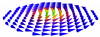
Nmag is a micromagnetic simulation package based on the general purpose multi-physics library nsim. It is developed by the group of Hans Fangohr and Thomas Fischbacher in the School of Engineering Sciences at the University of Southampton and released under the GNU GPL.
Nmag finite difference
Hans Fangohr (Investigator), Dmitri Chernyshenko, Matteo Franchin, Massoud Najafi
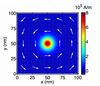
The goal of this project is to extends the finite element based micromagnetic simulation tool Nmag by the finite difference based extension Nmagfd and so to get an simulation tool where the user can easily switch between the used discretization method.
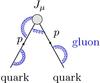
Non-Perturbative Renormalisation on the Lattice
Jonathan Flynn (Investigator), Dirk Broemmel, Thomas Rae
In this project we compute renormalisation factors for various physical observables in a non-perturbative lattice framework. Renormalisation hereby arises due to a fundamental scale dependence of the physical processes.
Nonequilibrium Dynamics of Atomic Gases in Optical Lattices
Sophie Marika Reed
Many-body, quantum systems exhibit emergent properties which allows for quantum events to influence properties on macroscopic scales. Such emergent properties are studied using stochastic phase-space techniques.
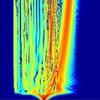
Nonlinear Optical Pulse Propagation
Peter Horak, Francesco Poletti (Investigators)
The work is concerned with the propagation of high-power short-pulse propagation in microstructured fibres or waveguides. Dispersion properties and optical nonlinearities are exploited for pulse shaping techniques in space, time, and frequency. Investigated microstructures include silica or soft-glass templates, gas-filled capillaries, and semiconductor-filled fibres, and optical wavelengths range from the X-ray to the mid-infrared regime.
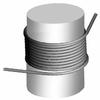
Nonlinear Optics in Structured Material
Peter Horak, Neil Broderick (Investigators)
Structured materials such as photonic crystals, optical fibres, Bragg gratings etc. are the ideal material for nonlinear optics. Properly engineered materials allows one to control which nonlinear interactions are observed and enhanced whilst other nonlinear interactions can be neglected. This work looks both at fundamental ideas as well as the fabrication of devices for advanced telecommunications.
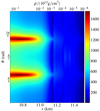
Numerical Elastic Neutron Stars
Ian Hawke, Ian Jones (Investigators), Andrew Penner
We study the astrophysical effects of the crust on a neutron star using an elasto-hydrodynamic model.
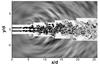
Numerical investigation of the true sources of jet noise
Anurag Agarwal (Investigator), Samuel Sinayoko
Aircraft noise severely impacts the quality of life of people living close to airports. Noise generation by aircrafts is especially large during take-off. Jet noise is the dominant noise source during take-off. It is produced by the high speed flow generated by the engine. However, the actual source of sound remains unknown. A deeper understanding of the sources of jet noise is need to be able to reduce the noise. The aim of this project is to implement a innovative method that would allow to identify the sources of jet noise.
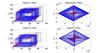
On the applicability of nonlinear timeseries methods for partial discharge analysis
Paul Lewin (Investigator), Lyuboslav Petrov
The governing processes of Partial Discharge (PD)
phenomena trigger aperiodic chains of events resulting in ’ap-
parently’ stochastic data, for which the widely adopted analysis
methodology is of statistical nature. However, it can be shown,
that nonlinear analysis methods can prove more adequate in
detecting certain trends and patterns in complex PD timeseries.
In this work, the application of nonlinear invariants and phase
space methods for PD analysis are discussed and potential pitfalls
are identified. Unsupervised statistical inference techniques based
on the use of surrogate data sets are proposed and employed for
the purpose of testing the applicability of nonlinear algorithms
and methods. The Generalized Hurst Exponent and Lempel Ziv
Complexity are used for finding the location of the system under
test on the spectrum between determinism and stochasticity. The
algorithms are found to have strong classification abilities at
discerning between surrogates and original point series, giving
motivation for further investigations.

OpenDreamKit
Hans Fangohr (Investigator), Marijan Beg
OpenDreamKit is a [Horizon 2020](https://ec.europa.eu/programmes/horizon2020/) European Research Infrastructure project (#676541) providing substantial funding to the open-source computational mathematics ecosystem, and in particular popular tools such as LinBox, MPIR, SageMath, GAP, Pari/GP, LMFDB, Singular, MathHub, and the IPython/Jupyter interactive computing environment.
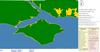
Operational Simulation of the Solent Search-and-Rescue environment
James Scanlan, Kenji Takeda, Hans Fangohr (Investigators), Ben Schumann
This project aims to identify useful metrics for a proposed Search-and-Rescue UAV and test it virtually in a realistic environment.
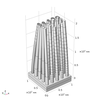
Optical Characterisation of Black Silicon for Photovoltaics Using the Finite Element Method
Jack Tyson (Investigator)
Here we present a novel method of simulating the reflectance spectra of black silicon solar cells using the finite element method. Designed in COMSOL Multiphysics is a new set of algorithm-controlled-geometries rendering a vast array of different structural permutations of silicon nanowires. Our model focused on the variation of this geometry within customisable predefined conditions in large output quantities, collated and averaged to reliably determine the reflectance of an entire black silicon solar cell.
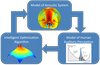
Optimisation of Acoustic Systems for Perceived Sound Quality
Jordan Cheer (Investigator), Daniel Wallace
Acoustic systems have traditionally been optimised on the basis of minimising an objective acoustic measure, such as sound pressure level. The project investigates the use of subjective measures of sound quality, such as "loudness", "harshness" etc. in optimisation algorithms.
Optimizing objective detection methods for auditory evoked responses
Michael Chesnaye
Optimizing objective detection methods for auditory evoked responses
Origins of Evolvability
Richard Watson, Markus Brede (Investigators), William Hurndall
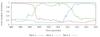
This project examined the putative evolvability of a Lipid World model of fissioning micelles. It was demonstrated that the model lacked evlovability due to poor heritability. Explicit structure for micelles was introduced along with a spatially localised form of catalysis which increased the strength of selection as coupling between potential chemical units of heredity were reduced.
Porcupine Basin Project
Louise Watremez
The Porcupine Basin is a narrow failed rift, offshore SW Ireland, featuring extreme crustal thinning. The M61/2 survey (May 2004, T. Reston and B. O'Reilly) allowed for the acquisition of seismic refraction data across and along the basin, along 5 transects. The processing of the data along these transects will give us information about the crustal structure across the basin, faulting due to the crustal extension, nature of the upper-mantle, etc. This project is funded by Petroleum Infrastructure Programme (PIP).
Porous Media and Hydrothermal Circulation in Weakened Ocean Crust
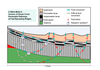
Formation of oceanic crust is an interplay between magma and the cooling hydrothermal system above that its own heat drives. To understand this system we must understand where and how water circulates through the crust.
Ocean crust is riddled with faults and other permeable pathways along which water preferentially flows. We seek to use basic numerical models of circulation in porous media to understand how much of an influence on crust formation these anomalous features have, compared to the bulk, unfractured crust.
Precision study of critical slowing down in lattice simulations of the CP^{N-1} model
Jonathan Flynn, Andreas Juttner (Investigators), Andrew Lawson
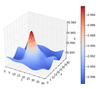
This project involves the study of critical slowing down (CSD): a property that may arise when taking measurements in Monte Carlo simulations. In order to study and quantify this phenomenon we have performed extensive simulations of the CP^{N-1} model. By studying the properties of the Monte Carlo algorithms in this model, we hope to make algorithmic improvements that can then be employed in simulations of physical quantum field theories, such as in lattice quantum chromodynamics (lattice QCD).

Predicting Available Energy in Energy Harvesting Wireless Sensor Networks
Geoff Merrett (Investigator), Davide Zilli
Is it possible to predict how much energy a sun-light or wind powered wireless sensor node can harvest and tune its sensing pattern accordingly?
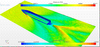
Prediction of Hydrodynamic Characteristics of Planing Hulls using CFD
Kamal Djidjeli (Investigator)
Performance prediction is an important part of vessel design. Common methods used for predicting planing hull performance include empirical equations and model tests. Model tests are usually expensive, while empirical equations are often applicable to similar hull types. In this work, CFD is used as an alternative prediction tool for high speed planing vessels.
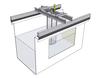
Prediction of orifice flow flooding rates through generic orifices
Dominic Hudson, Ming-yi Tan (Investigators), Christian Wood, Adam Sobey
This presearch concentrates on the modelling of compartment flooding rates following the occurrence of damage in a ship's side shell. Typical state of the art flooding models use Torricelli’s formula to calculate flooding rates using a constant co-efficient of discharge (Cd). Based on Bernoulli’s theorem, turbulence and viscosity effects are not included using a Cd independent of damage shape or size. Previous work indicates that this assumption over-simplifies the problem to an extent where the flooding rates used for calculation are in error. This project will use CFD validated by experiment to calculate flooding rates for a large number of cases from which a 'krigged' response surface will be generated. Validity of the subsequent response surface will be interrogated.
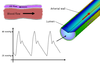
Preventing Alzheimer's Disease: A Multiphysics Simulation Approach
Neil Bressloff, Giles Richardson, Roxana-Octavia Carare (Investigators), Alexandra Diem
Experimental research has identified the causes of many diseases, such as Alzheimer's Disease. However, finding an effective treatment is very cost- and time-intensive and sacrifices many animals and does not guarantee success. In this PhD project, we investigate the driving force of solute drainage in the brain using multiphysics simulations in order to identify possible ways of preventing dementia.
Pushing the Envelope of Planetary Formation and Evolution Simulations
Peter Bartram
A full understanding of the formation and the early evolution of the Solar System and extrasolar planetary systems ranks among natural science's grand challenges, and at present, even the dominant processes responsible for generating the observed planetary architecture remain elusive.
pyQCD
Matthew Spraggs
A basic Python package to perform coarse lattice QCD simulations on desktop and workstation computers.
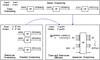
Quantum Computation for Signal Detection in Multiple-Input Multiple-Output Communication Systems
Lajos Hanzo (Investigator), Panagiotis Botsinis
Optimal, classic optimization processes in communication systems, such as signal detection, introduce an extremely high computational complexity in the system. Quantum computation offers the optimal equivalent algorithms in the quantum domain, with at least a quadratic degradation in complexity. Since quantum computers have still not been physically realized though, the quantum algorithms' simulation's complexity is higher than that of the optimal classic equivalents. Use of Iridis is essential in facilitating their simulation.
Real-time CFD for helicopter flight simulation
Kenji Takeda (Investigator), James Kenny
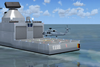
Project aims to show how real-time computational fluid dynamics (CFD) could be used to improve the realism of helicopter flight simulators.
Relativistic multifluids
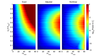
Ian Hawke (Investigator)
Multiphase flow is a central model in fluid dynamics. Its extension to relativity is crucial for tackling many astrophysics problems, and has fascinating mathematical features.
Respiratory mask modeling
Jacques Ernes
Abaqus modelling of repiratory masks, bioengineering, Health sciences
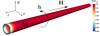
Reversal of ferromagnetic nanotubes
Hans Fangohr (Investigator), David Cortes
We are analysing the feasibility of reversing a nano scaled magnetic tube by applying weak pulses of currents through the nano-tube inner core

SAVE: Solent Achieving Value through Efficiency
Patrick James, Ben Anderson (Investigators), Luke Blunden
Analysis of 15 minute electricity consumption and 10 second instantaneous power data from 4,000+ households in the Solent region collected over 3 years of a randomised control trial study.
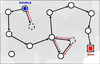
Scalability of Energy Efficient Routing Algorithms in Wireless Sensor Networks
Geoff Merrett (Investigator), Davide Zilli
This project compares two broad classes of routing algorithms for Wireless Sensor Networks, message flooding and single path, by means of a simulation model. In particular, we want to understand how the two scale in terms of energy efficiency on large networks of sensors.

Sediment Transfer and Erosion on Large Alluvial Rivers (STELAR-S2S)
Stephen Darby, Julian Leyland, Christopher Hackney (Investigators)
STELAR-S2S will provide the first comprehensive quantification of autogenic and climatic controls on riverine sediment fluxes for one of the world's largest rivers (the Mekong), leading to new generic understanding of the relationships between climatic variability, fluvial processes and sediment flux to deltaic zones and the ocean.
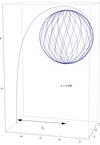
Self-Force and Black Hole Inspirals
Sam Dolan (Investigator)
We use IRIDIS to compute the self-force acting on a solar-mass black hole orbiting a supermassive black hole.
Sensitivity of the critical depth to the choice of particle movement rules in Lagrangian models and the consequences for the predicted timing of the spring bloom
Tom Anderson (Investigator), Melissa Saeland
Individual-based (Lagrangian) models lend themselves to the study of the controls of the spring bloom in the ocean, due to their ability to represent both the turbulence and the phytoplankton motion. Here, we use a Lagrangian phytoplankton model to test some of the most prevalent hypotheses (e.g. critical depth and critical turbulence).
Simulating Household Decision Making in Rural Malawi
James Dyke, Kate Schreckenberg (Investigators), Samantha Dobbie
A scoping exercise to determine whether data collection tools of the social sciences can be used effectively in the construction of empirical ABM. Focus fell upon simulating drought coping strategies of Malawian smallholders. Model implementation enabled inferences to be made concerning the impact of drought and input subsidies upon smallholder food security.
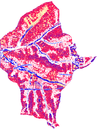
Simulating Hydro-geomorphic Changes in European Climate Hotspots
John Dearing (Investigator), Ying Wang
This project will simulate the behaviour of hydro-geomorphological processes in a fluvial system over decadal timescales is an important basis for research on catchment environmental management, especially with regards climate changes and human impacts on fluvial system.
Simulating the Write Process in Perpendicular Magnetic Media
Hans Fangohr (Investigator), Stuart Curtis
The project aims to use Nmag, a micromagnetics software package developed by the CMG to model the writing process in perpendicular magnetic recording.
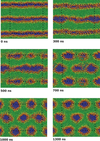
Simulation of biological systems at long length and distance scales
Jonathan Essex (Investigator), Kieran Selvon
This project aims to shed light on cell membrane mechanisms which are difficult to probe experimentally, in particular drug permiation across the cell membrane. If one had a full understanding of the mechanism, drugs could be designed to target particular embedded proteins to improve their efficacy, the viability of nano based medicines and materials could also be assessed, testing for toxicity etc.
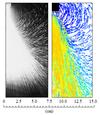
Simulations investigating droplet diameter-charge models, for predicting electrostatically atomized dielectric liquid spray chracteristics
Gabriel Amine-Eddine (Investigator)
Liquid sprays are atomized using electrostatic methods in many scienti fic, industrial and engineering applications. Due to jet and droplet breakup mechanisms, these spray plumes contain a range of drop diameters with differing droplet charge levels. Using an transient charged spray CFD code, simulations have been performed to investigate charge-diameter relationship models for predicting dynamics of poly-disperse and electrostatically atomized hydrocarbon sprays.
The methodology developed can be readily extended towards high-pressure spray applications, where secondary atomization plays a dominant role within the spray dynamics and subsequent performance of the spray itself.
Amine-Eddine, G. H. and Shrimpton, J. S. (2013), On simulations investigating droplet diameter–charge distributions in electrostatically atomized dielectric liquid sprays. Int. J. Numer. Meth. Fluids, 72: 1051–1075. doi:10.1002/fld.3776

Simulations of Magnetic Skyrmions
Hans Fangohr (Investigator), Ryan Pepper
The manipulation of magnetic skyrmions could prove to be a useful technique for storing data on an unprecedented density scale. In this project we seek to better understand their properties and ways to control them.

Skyrmionic states in confined nanostructures
Hans Fangohr (Investigator), Marijan Beg
An ever increasing need for data storage creates great challenges for the development of high-capacity storage devices that are cheap, fast, reliable, and robust. Because of the fundamental constraints of today's technologies, further progress requires radically different approaches. Magnetic skyrmions are very promising candidates for the development of future low-power, high-capacity, non-volatile data storage devices.
Soft x-ray science on a tabletop
Peter Horak, Jeremy Frey, Bill Brocklesby (Investigators), Patrick Anderson, Arthur Degen-Knifton
Complex numerical simulations are being performed to aid experimentalists at Southampton realize the next generation of high brightness tabletop sources of coherent soft x-rays.?

Space Debris and Evolution of of Resilient Space Systems
Hugh Lewis (Investigator), Marian Daogaru
The aim of the project will be to characterise and quantify the possible evolution of space systems in response to future environmental change; in particular, with respect to changes in the space debris environment.
Space debris has been recognised by the international space-faring community as a significant threat to spacecraft operations in Earth orbit. Impacts on spacecraft can result in damage to critical systems, the loss of the mission, and the generation of fragment clouds which may go on to endanger other spacecraft. With the population of objects in near-Earth orbit ever-increasing, future space systems will need to develop greater resilience to the growing space debris threat. Resilience to this threat can be achieved in several ways, through adaptation, redundancy, protection, distribution and restoration, for example.
These resilience measures can be included within space systems design, which is a multi-objective optimisation process, such that the resulting spacecraft or architectural design is well-suited for operation in the space environment, whilst at the same time respecting mass, power, and cost constraints, amongst others. However, rapidly changing priorities in the space sector and changes in the debris population mean that optimal designs will need to evolve through time such that successive generations of spacecraft continue to be, or are better adapted to survive in the space environment. At the same time, better adapted spacecraft represent a possibly beneficial feedback into the space debris environment, meaning that future generations of spacecraft will also be indirectly affected by the designs of previous generations (and vice versa). Consequently, the multi-objective optimisation needs to be integrated with an appropriate space debris model.
The development of this integrated assessment and optimisation approach, and its application to identify future trends in space systems design, will form the basis of the project. Firstly, an appropriate methodology for identifying and representing the key design objectives, including concepts such as resilience, will be developed. Secondly, this methodology will be incorporated within a novel integrated assessment framework that will perform the multi-objective design optimisation through time.
Given the potential complexity of this task, arising from the large parameter space and the uncertainties in the future debris environment predictions, there will be a need for new and state-of-the-art computational modelling and optimisation approaches that enable solutions to be found in a reasonable time-frame. Such approaches could include evolutionary algorithms and particle swarm optimisation techniques. In addition, the project will also benefit from developments in space debris modelling coming from a parallel project.
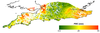
Spatial variability of the atmosphere in southern England
Joanna Nield, Jason Noble, Edward Milton (Investigators), Robin Wilson
No-one really knows how variable key atmospheric parameters such as Aerosol Optical Thickness and Water Vapour content are over relatively small areas. This study aims to find out!
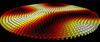
Stability of chiral structures in magnetic nanodisks
Hans Fangohr, Weiwei Wang (Investigators), David Cortes
This project is aimed to study the stability of skyrmionic and helical equilibrium states in magnetic nanodisks, using computational simulations.
Statistical model of the knee
Mark Taylor (Investigator), Francis Galloway, Prasanth Nair
Development of methods for large scale computational testing of a tibial tray incorporating inter-patient variability.
Stochastic computational methods for aero-acoustics
Gwenael Gabard (Investigator), Martina Dieste
Stochastic methods are used to synthesize a turbulent flow which is then used to model the sound radiated by an airfoil interacting with this turbulence. This approach is faster than performing a complete simulation of the flow field.
Stratified combustion physics and modelling
Edward Richardson (Investigator)
Full-resolution simulation data for turbulent combustion are used to investigate the fundamental impact, and practical modelling, of fuel-air stratification.
Structured low-rank approximation
Ivan Markovsky
Today's state-of-the-art methods for data processing are model based. We propose a fundamentally new approach that does not depend on an explicit model representation and can be used for model-free data processing. From a theoretical point of view, the prime advantage of the newly proposed paradigm is conceptual unification of existing methods. From a practical point of view, the proposed paradigm opens new possibilities for development of computational methods for data processing.

Study of global instability in separated flows at high Mach number
Neil Sandham, Zhiwei Hu (Investigators), Kangping Zhang
Flow instability is observed when extending two-dimensional (2D) stable flow into three-dimensional (3D). Development of instability varies along different spanwise length. Thresholds are also discovered for the flow studied to become instable.
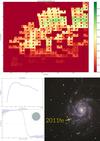
Supernova Rates in the Local Universe
Mark Sullivan (Investigator), Christopher Frohmaier
This project will calculate the frequency of exploding stars -- or supernovae -- in the nearby universe. We simulate a 'toy universe' by exploding billions of stars in a computer, and then artificially 'observing' these explosions by replicating a real astronomical sky survey, the Palomar Transient Factory (PTF). The results of this simulation allows us to discover the rate at which supernovae occur in the local universe each year.
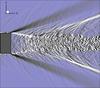
Supersonic axisymmetric wakes
Richard Sandberg (Investigator)
Direct numerical simulations are used to shed more light on structure formation and evolution in supersonic wakes.
Surface moisture-induced feedback in aeolian environments
Joanna Nield (Investigator)
This project explores the importance of surface moisture for aeolian processes, particularly feedback between surface moisture and bedform sedimentation and migration.
Sustainable domain-specific software generation tools for extremely parallel particle-based simulations
Chris-Kriton Skylaris (Investigator)
A range of particle based methods (PBM) are currently used to simulate materials in chemistry, engineering, physics and biophysics. The 4 types of PBM considered directly in the proposed are molecular dynamics (MD), the ONETEP quantum mechanics-based program, discrete element modelling (DEM), and smoothed particle hydrodynamics (SPH).
The overall research objective is to develop a sustainable tool that will deliver, in the future, cutting edge research applicable to applications ranging from dam engineering to atomistic drug design.

TEDx: Closing the Loop: Entropy Accounting for a Sustainable World
Stuart Bartlett (Investigator)
This is a TEDx talk that I gave on some ideas I've had about the large-scale thermodynamic organisation of life on Earth. While these ideas probably aren't new, I believe they can teach us something about the way in which we think about energy and the 'consumption' of goods and energy.

Testing an interaction game on relationships.
Seth Bullock (Investigator), Anastasia Eleftheriou
The aim of this project is to examine how attractiveness is related to hypothetical risky sexual behaviour. The term `risky sexual behaviour' refers to having multiple sexual partners without the use of a condom. Data will be collected using questionnaires in order to investigate the influence of attractiveness on intentions towards engaging in unprotected sexual intercourse. A primary research question is whether perceived attractiveness of a potential partner affects the reported likelihood of having sex and/or using a condom.
The application of automated pattern metrics to surface moisture influences on modelled dune field development
Robin Wilson, Joanna Nield (Investigators)
Areas of sand dunes (known as dunefields) develop complex patterns over time. These are influenced by both the past and present environmental conditions, including surface moisture, vegetation distribution and human impact. This project develops a method of automated pattern analysis which allow the patterns produced by a large number of sand dune evolution simulations (performed using the DECAL model) to be quantified over time.
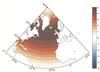
The Atlantic Meridional Overturning Circulation’s Response to Variable Buoyancy Forcing
Kevin Oliver (Investigator), Edward Butler
An investigation into the impact of periodic variations in surface buoyancy forcing on the mean strength of ocean circulation; in particular, the Atlantic Meridional Overturning Circulation.
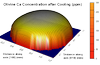
The Ca-geospeedometer - A tool for investigating the processes that generate oceanic crust
We quantify the errors inherent in the current methods of geospeedometry, which lets one obtain the cooling rate of a rock, using mineral trace element chemistry. Calcium-in-Olivine geospeedometry is useful for deep ocean crust.
We want to use this proxy to figure out how ocean crust actually accretes, it provides key evidence as to how magma chambers and hydrothermal systems interact to produce new lithosphere. But to do so we first have to determine how reliable the method is and therefore how much can be inferred from results.
The effect of roughness upon turbulent supersonic flows
Neil Sandham (Investigator), Christopher Tyson
Understanding the interaction between surface roughness and supersonic air flows are crucial in the design of high speed vehicles, including space re-entry vehicles. Numerical simulations of these flows has been conducted in order to examine and understand how the surface roughness interacts with high speed flows in terms of drag prediction and heat transfer to the wall surface.
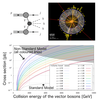
The Higgs Boson at Future Colliders - an Explorative Journey Beyond the Standard Model
Alexander Belyaev (Investigator), Patrick Schaefers
It has been three years since the discovery of a Higgs boson at the CERN LHC and many new insights in Higgs physics were gathered since then. However, its true nature remains unknown to this day. This project aims at exploring the Higgs properties at Future High Energy Colliders beyond the Standard Model to help unveiling its secret.
The Maximum Entropy Production Principle and Natural Convection
Seth Bullock, James Dyke (Investigators), Stuart Bartlett
In this project I wanted to perform some tests of the so-called Maximum Entropy Production Principle (MEPP) in the context of buoyancy-driven convection in a system with negative feedback boundary conditions.

The Ocean's Gravitational Potential Energy Budget in a Coupled Climate Model
Kevin Oliver (Investigator), Edward Butler
This study examines, in a unified fashion, the budgets of ocean gravitational potential energy (GPE) and available gravitational potential energy (AGPE) in the control simulation of the coupled atmosphere–ocean general circulation model HadCM3.
The ONETEP project
Chris-Kriton Skylaris (Investigator), Stephen Fox, Chris Pittock, Álvaro Ruiz-Serrano, Jacek Dziedzic
Program for large-scale quantum mechanical simulations of matter from first principles quantum mechanics. Based on theory and algorithms we have developed for linear-scaling density functional theory calculations on parallel computers.
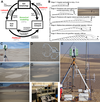
The Origin of Aeolian Dunes (TOAD)
Joanna Nield (Investigator)
The overall aim of this project is to understand the genesis and subsequent evolution of aeolian early stage bedforms by quantifying for the very first time the role and importance of flow, transport and surface feedbacks in the initiation and emergence of dunes. This project offers the genuine prospect of surmounting arguably the major enduring research question within aeolian geomorphology, leading to broader insights which will offer knowledge benefits for sedimentary landform studies as a whole.
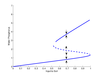
The Role of the Biota in the Carpenter Model on Lake Eutrophication
James Dyke (Investigator), Alexandra Diem
The Carpenter model is a useful and simple model to predict the eutrophication of shallow lakes via phosphorus input. This project aimed at resolving the function of the biota, which play a major role in the phosphorus dynamics, but are so far only implicitly modelled, and extending the model to explicitly represent them.
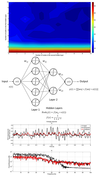
The tarsal intersegmental reflex control system in the locust hind leg
David Simpson, Philip Newland (Investigators), Alicia Costalago Meruelo
Locomotion is vital for vertebrates and invertebrates to survive. Despite that feet are responsible for stability and agility in most animals, research on feet movements and their reflexes is scarce.
In this thesis, the tarsal reflex responses of locust will be studied and modelled with ANNs to achieve a deeper comprehension of how stability and agility is accomplished.
The choice of ANNs is linked to the applicability of the method into other fields, such as technological designs or medical treatment.

The use of channel wings for slow speed UAV flight
Andy Keane (Investigator), Juraj Mihalik
In this project, advanced computational modeling and robust design optimization tools are used to observe the possibility of use of the Custer channel wings for slow speed UAV flights.
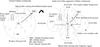
Today's Computation Enabling Tomorrow's Seamless Communication
Lajos Hanzo (Investigator), Varghese Thomas
Radio Over Fibre (ROF) is a communication technique that aims to gainfully amalgamate the benefits of optical and wireless communication, while keeping the system cost low. This technique would support the next generation of wireless services.

Towards biologically-inspired active-compliant-wing micro-air-vehicles
Richard Sandberg (Investigator), Sonia Serrano-Galiano
Despite a good knowledge of the physiology of bats and birds, engineering applications with active dynamic wing compliance capability are currently few and far between. Recent advances in development of electroactive materials together with high-fidelity numerical/experimental methods provide a foundation to develop biologically-inspired dynamically-active wings that can achieve "on-demand" aerodynamic performance. However this requires first to develop a thorough understanding of the dynamic coupling between the electro-mechanical structure of the membrane wing and its unsteady aerodynamics. In this collaborative initiative between the University of Southampton and Imperial College London, we are developing an integrated research programme that carries out high-fidelity experiments and computations to achieve a fundamental understanding of the dynamics of aero-electro-mechanical coupling in dynamically-actuated compliant wings. The goal is to utilise our understanding and devise control strategies that use integral actuation schemes to improve aerodynamic performance of membrane wings. The long-term goal of this project is to enable the use of soft robotics technology to build integrally-actuated wings for Micro Air Vehicles (MAV) that mimic the dynamic shape control capabilities of natural flyers.
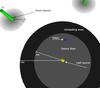
Towards design patterns for robot swarms
Richard Crowder, Seth Bullock (Investigators), Lenka Pitonakova
Swarm robotics is an inter-disciplinary field that seeks to design the behaviour of robots that can cooperate effectively on tasks like search and retrieval, reconnaissance, construction, etc. In this project, we are aiming towards a theoretical understanding of swarm intelligence and the development of design patterns for effective robot swarms.
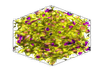
Towards Exascale computing in particle physics
Andreas Juttner, Jonathan Flynn (Investigators), James Harrison
Lattice QCD

Transition to turbulence in high-speed boundary layers
Neil Sandham (Investigator), Nicola De Tullio
This work is focused on the numerical simulation of hypersonic transition to turbulence in boundary layers. We use direct numerical simulations of the Navier-Stokes equations to analyse the effects of different flow conditions and external disturbances on the transition process. The main objective is to gain insight into the different aspects of transition to turbulence at high speeds, which can lead to the design of new transition models and transition control techniques for high-speed flows.
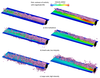
Turbulence and tidal turbines
William Batten (Investigator), Tom Blackmore, Luke Blunden
The PhD research is focused on understanding the effects of turbulence on tidal turbines. The problem has been simplified using grid generated turbulence and actuator disc representations of tidal turbines.
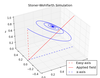
Understanding Stochastic Processes in Interacting Spin Models
Oliver Laslett
Applying efficient computational models to compute Langevin dynamics and master equation equilibrium solutions for interacting magnetic spin systems.
Unsteady Aerodynamics of Wings in Extreme Conditions
Charles Badoe (Investigator), Neil Sandham, Zheng-Tong Xie
Sizing of civil aircraft is dictated by extreme loads experienced at the limits of flight envelope, for example during gust, turbulence or low speed manoeuvre. The project aims to understand the unsteady aerodynamic behaviour of wings in extreme conditions involving heaving motions near stall.
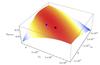
Using MEP to determine parameter values of ocean and atmosphere diffusivity
Kevin Oliver, James Dyke (Investigators), Maike Sonnewald
Entropy budgets can potentially offer new and valuable insights into the dissipation of energy in the ocean system. Specifically, if one assumes the Earth system maximises the dissipation of energy, one can use this as a guiding principle maximising the internal entropy production. In this study, resultant temperature distributions from a four box ocean-atmosphere-ice model are used to assess to what extent such considerations could ameliorate the need for tuning parameter values associated with oceanic and atmospheric diffusivity. Results from a standard implementation with fixed, empirically determined, parameters were compared to one where the maximum entropy production principle is applied to determine the value of oceanic and atmospheric diffusivity parameters. These methods have been successfully applied to cloud fraction and convection in the atmosphere.
The MEP principle suggested using diffusivity values of 3.3×10¹⁴ W K ?1 and 3.2×10¹⁴ W K ?1
for the ocean and atmosphere respectively, where the empirical values were 2.0 × 10¹⁴ W K ?1
and 1.0 × 10¹⁴ W K ?1 . The oceanic temperatures of the MEP implementation were 3 and -1oC
away the high and low latitude observed ocean temperatures respectively, while the empirical
implementation was -5 and 3oC away, largely within the observational standard deviation of
8 and 2? C respectively. For the atmospheric values, MEP implementation was 3W m?2 away
from the high latitude observed value, while the empirical implementation was 6W m?2 away,
both within the standard deviation of 13.2W m?2 . However, in the low latitudes this reverses,
with the empirical implementation being only -16W m?2 off while the MEP implementation
is -21W m?2 off. However, both figures are outside the range of the standard deviation of
4.2W m?2 . Overall, both methods were found to be very close to oceanic observations. This
confirms that in the model used, the assumption of maximal dissipation of energy is reasonable.
Furthermore, the nature of the landscape of internal entropy production created by the
oceanic and atmospheric diffusivity was found to be fairly smooth, with non-linearities mainly
coming from ice albedo. Assuming the Earth system is in a state of maximal energy dissipa-
tion, applying the MEP principle successfully may depend on such a smooth, easily optimisable
landscape. Thus, the successful application of the MEP principle could be much more difficult
if attempting to aid parametrisation in more detailed ocean models, as these are likely to have
internal entropy production landscapes with local maxima. Nevertheless, results presented
are very promising, and encourage further exploration of to what extent this principle could
be applied to ameliorate the need for tuning parameters in light of lacking information.

Validation of GPS-derived water vapour estimates
Joanna Nield, Jason Noble, Edward Milton (Investigators), Robin Wilson
Measurements from GPS base stations can be processed to provide estimates of the water vapour content in the atmosphere. These are lots of these base stations across the world and they take measurements very frequently, making them perfect data sources for scientific use. However, we need to understand their accuracy - and this project aims to do this.

Variability in high pressure blade trailing edge geometry and its impact on stage capacity and blade temperature
Andy Keane (Investigator), Jan Kamenik
My project involves the trailing edge (TE) geometry of gas turbine high pressure turbine blades, which is subject to inevitable variability due to the manufacturing processes involved.

Vertical turbulence structures in the benthic boundary layer as related to suspended sediments
Hachem Kassem (Investigator), Charlie Thompson
There is a genuine need for better, more robust modelling of suspended sediment transport in the coastal zone, both to understand its morphological evolution and it's impact on biogeochemical cycling, ecosystems services and to guide engineering applications such as dredging and defence schemes against erosion and flooding.
The suspension of sediment in turbulent flows is a complex case of fluid-particle interaction, governed by shear stresses (momentum exchanges) at the bed and within the benthic boundary layer (BBL). The intermittent transfer of momentum is a manifestation of coherent turbulent vortex structures within the flow. The passage of such structures (or clusters of) is often related to perturbations of bottom sediment, which may be entrained and maintained in suspension if sufficient turbulent energy is provided. The first part of my PhD investigated the temporal and scale relationships between wave–generated boundary layer turbulence and event–driven sediment transport in oscillatory flow in the nearshore. This involved complex statistical, spectral, quadrant and wavelet analysis of high frequency nearshore measurements of turbulence and suspended sediments (medium sand), collected as part of the EU-funded Barrier Dynamics Experiment II (BARDEX II). The following step aims to develop a 3D numerical model in OpenFOAM which would reproduce the fine scale turbulence structures observed over a fixed rippled bed in oscillatory flow. The 3D velocity field, turbulent components, correlations (stresses) and quadrant structures will then be linked to observed sediment resuspension events. The model will be validated against a set of laboratory experiments undertaken at the Fast Flow Facility at HR Wallingford.
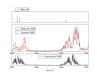
Vibrational spectroscopy from ab initio molecular dynamics
Hans Fangohr, Chris-Kriton Skylaris (Investigators), Valerio Vitale
In this project I used the Fourier transform of the time correlation function (FTTCF) formalism, that allows to compute the vibrational spectra of molecules both in gas and condensed phase, at finite temperature, in a single ab initio molecular dynamics simulation.
Vortex Dynamics in High-Tc superconductors
Hans Fangohr (Investigator)
The dynamics of vortices in high temperature superconductors exhibits the complex and rich physics we expect from many body systems with competing interactions. Molecular Dynamics, Langevin Dynamics and Monte Carlo Computer simulations are carried out to understand this system in more detail.
Vortex Flow and it's influence on the aerodynamic design of a Front Wing of a Formula Student Car
Iteratively increasing complexity of front wing design, studying the effects of vortices.
Vortex Flow and it's influence on the aerodynamic design of a Front Wing of a Formula Student Car
Iteratively increasing complexity of front wing design, studying the effects of vortices.

Vortices in Spinor Bose-Einstein Condensates
Janne Ruostekoski (Investigator), Justin Lovegrove
We numerically study the effect of spin degrees of freedom on the structure of a vortex in an atomic superfluid. Such objects are of interest as macroscopic examples of quantum phenomena, as well as for their analogies in other fields, such as cosmology and high energy physics.
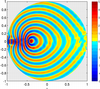
Wave-based discontinuous Galerkin methods
Gwenael Gabard (Investigator), Greg Kennedy
Wave-based computational methods are developed to model sound propagation in moving inhomogeneous media.
Whisky Code
Ian Hawke (Investigator)
A 3D finite volume code for simulating compact relativistic hydrodynamics.
Wind direction effects on urban flows
Zheng-Tong Xie, Ian Castro (Investigators), Jean Claus
Numerical simulations of turbulent air flow are conducted on Iridis to investigate the effects of different wind directions on the flow within and above an urban-like canopy.
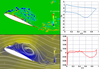
Wind Turbine Blade Flow in Abnormal Environments
Zheng-Tong Xie (Investigator), Yusik Kim
Large wind turbines are being installed throughout UK and often in regions with complex meteorology and/or topography (e.g. involving wind gusts, turbulence, icing), which affect turbine performance (energy output, noise emission etc), life expectancy and safety. It is very expensive to conduct experiments to study such problems. This proposal suggests, firstly, an LES study of low-Re flows around an oscillating airfoil, to investigate the transition, separation, vortex shedding and dynamic stall behaviour. Secondly, a combined LES-RANS approach (with, e.g., a transitional RANS model in the near wall region) will be carefully designed (using our recently developed efficient turbulence generator at the interface between LES and RANS) and validated against low-Re results.
µ-VIS Computed Tomography Centre
Ian Sinclair, Richard Boardman, Dmitry Grinev, Philipp Thurner, Simon Cox, Jeremy Frey, Mark Spearing, Kenji Takeda (Investigators)
A dedicated centre for computed tomography (CT) at Southampton, providing complete support for 3D imaging science, serving Engineering, Biomedical, Environmental and Archaeological Sciences. The centre encompasses five complementary scanning systems supporting resolutions down to 200nm and imaging volumes in excess of one metre: from a matchstick to a tree trunk, from an ant's wing to a gas turbine blade.